



Is Naveen targeting the weak and vulnerable?
Key Points
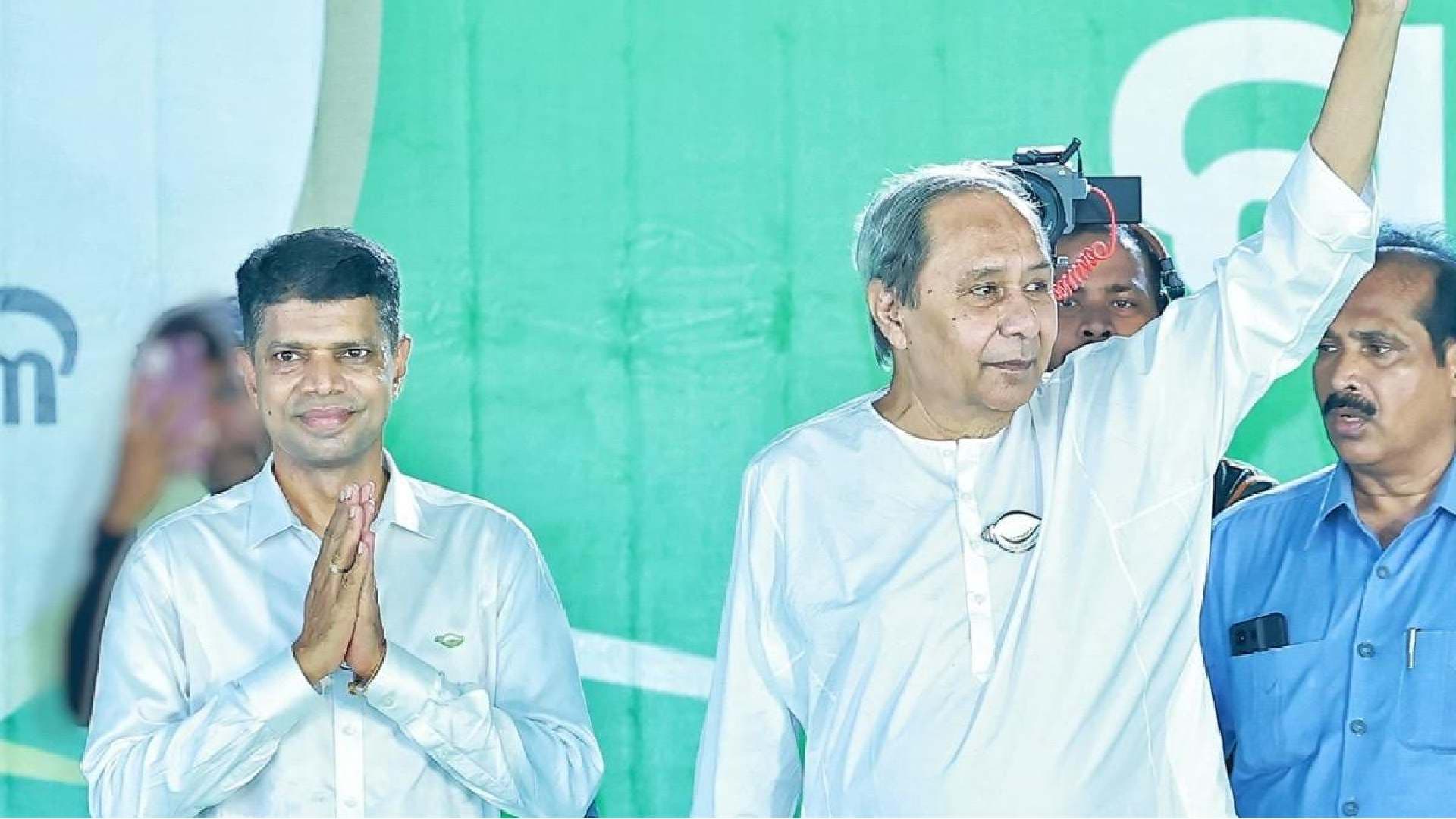
The growing uncertainty over whether Naveen Patnaik or V.K. Pandian drives BJD’s decisions has triggered widespread unrest among senior leaders, leading to exits and open rebellion.
The suspension of Prafulla Mallick highlights a strategic pattern—targeting leaders with limited influence while avoiding confrontation with those commanding strong local bases. Analysts suggest BJD is deliberately sidelining veteran leaders to pave the way for a younger, more compliant leadership, risking grassroots erosion in key strongholds.
Bhubaneswar, Sep 15: The Biju Janata Dal (BJD), which ruled Odisha uninterruptedly for 24 years under Naveen Patnaik, now finds itself in a state of internal disarray. What was once regarded as one of the most disciplined regional parties in the country has become increasingly opaque — not only to the public but even to its own senior leadership. The lack of clarity about who truly drives the party’s decisions — Naveen himself or his close aide V.Karthikeyan Pandian — has deepened discontent within its ranks.
Dissension before and after the 2024 elections

📱 Get Argus News App
✨Even before the 2024 Assembly and Lok Sabha elections, doubts had surfaced about the party’s direction. Several prominent figures, including former MPs Prabhas Singh and Anubhav Mohanty, MLA Soumya Ranjan Patnaik, and others, either exited or openly distanced themselves from the party.
After the elections, the unease turned into open rebellion. Veterans such as Bhupinder Singh, Ranendra Pratap Swain, Ashok Panda, Dr Arun Kumar Sahoo, Badrinarayan Patra, Debashis Samantray, N. Bhaskar Rao, Srimayi Mishra, Prafulla Mallick, and Harishankar Raut have raised direct or indirect questions about the party’s leadership and functioning. In a major setback, N. Bhaskar Rao — along with thousands of supporters — deserted the party, shaking BJD’s base in South Odisha.
The Prafulla Mallick episode
The suspension of senior leader Prafulla Mallick epitomises the current churn. The BJD claimed it acted on “anti-party activities,” but Mallick insists he resigned first and that the suspension was a face-saving exercise.
What stands out, however, is the selective nature of this disciplinary action. Why Mallick alone? Analysts argue that Mallick, unlike other dissenters, lacks a strong independent base. Outside his constituency, his organisational reach is negligible, and he does not command any faction within the party. His role was mostly as a loyal foot soldier, campaigning wherever instructed.
In contrast, leaders like Bhupinder Singh, Dr Arun Kumar Sahoo, or Badrinarayan Patra enjoy local followings and factional strength. Taking action against them risks defections en masse, something Naveen and Pandian appear unwilling to provoke. The case of Pravat Tripathy, a persistent critic with entrenched influence in Cuttack politics, further illustrates this cautious approach — tolerated but never punished.
A strategy of attrition?
Observers suggest that the BJD’s transformation under Naveen and Pandian is following a deliberate strategy: sideline senior leaders, diminish their importance, and allow them to either leave voluntarily or commit acts that justify disciplinary action. This quiet attrition clears the field for a younger, more pliable third-generation leadership that is loyal but politically lightweight.
While this strategy strengthens the leadership’s control, it comes at a cost. Neglecting seasoned leaders who built the party’s grassroots base risks alienating long-time supporters and weakening strongholds. Already, bastions like Rayagada, Dharmagarh, and Dharmasala have crumbled, raising questions about the sustainability of this model.
The central question is whether Naveen is consolidating power by exploiting weaker leaders while avoiding confrontation with stronger ones. If true, this reflects a leadership style that prioritises control over cohesion, short-term survival over long-term stability.
As Odisha’s political landscape evolves, BJD’s durability
will depend on whether it can balance generational transition with
organisational strength. The exodus of disgruntled veterans and the party’s
selective disciplinary actions may give the leadership temporary breathing space,
but they also expose deep structural cracks. How Naveen and Pandian manage this
internal turbulence will shape not just the BJD’s future but also Odisha’s
political trajectory in the years ahead.