



Different States, Same Challenge: Mamata and Naveen Confront Leadership Transition
·3 months ago·3 min read
Key Points
West Bengal CM Mamata Banerjee and former Odisha CM Naveen Patnaik face a similar dilemma of managing leadership succession while balancing generational transition with party unity.
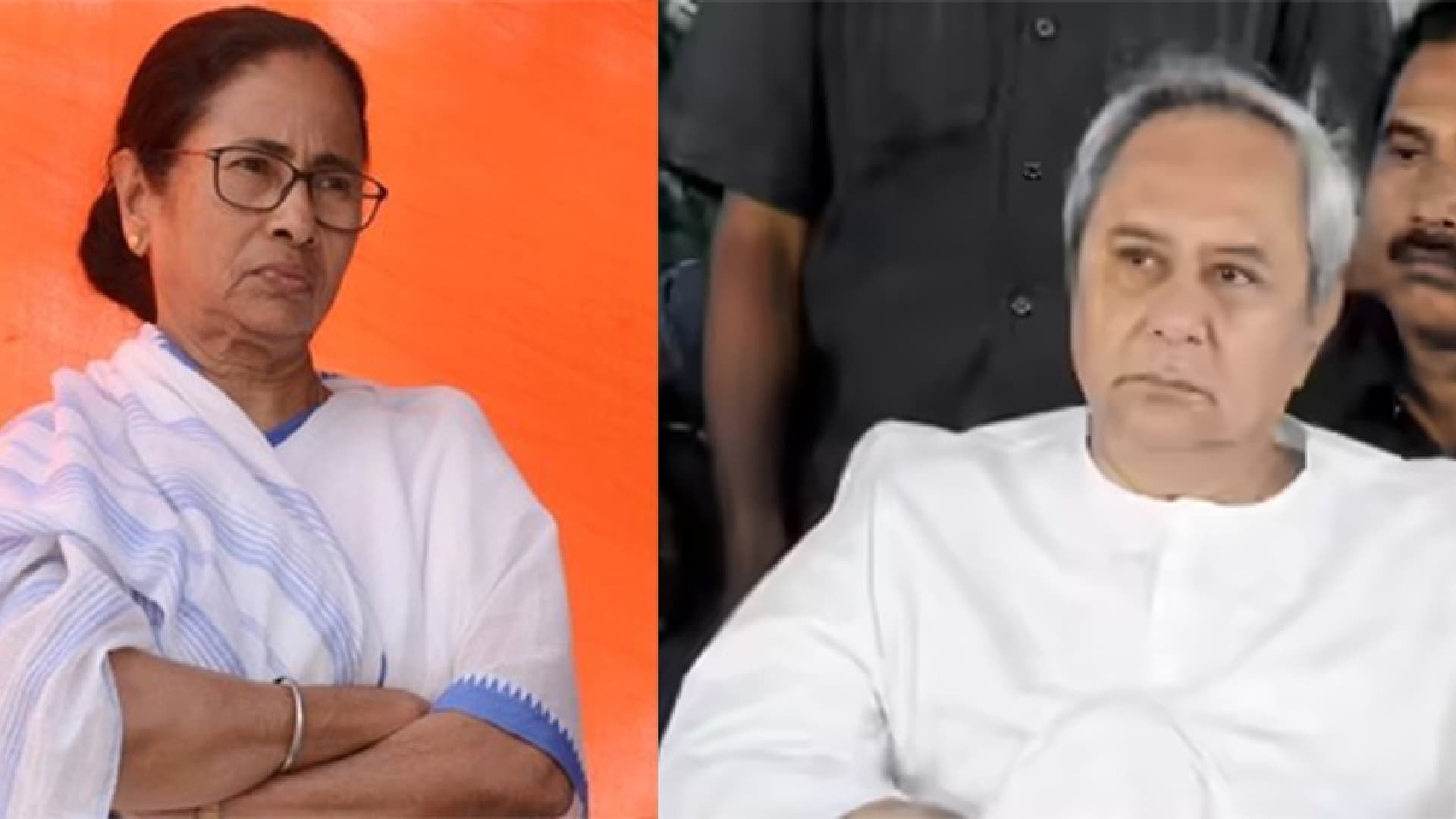
Bhubaneswar, Jun 18: Indian politics has often witnessed powerful regional leaders grappling with the challenge of succession. Today, two of the country's most influential political figures -- former West Bengal Chief Minister Mamata Banerjee and former Odisha Chief Minister Naveen Patnaik -- appear to be confronting a remarkably similar dilemma.
In West Bengal, Trinamool Congress supremo Mamata Banerjee has increasingly relied on her nephew Abhishek Banerjee, who has emerged as the party's second-most powerful leader. While Abhishek's rise has strengthened the organisational structure of the TMC, it has also triggered unease among sections of the party leadership, many of whom fear the gradual concentration of power within a single family. Mamata faces the difficult task of balancing generational transition with maintaining unity among senior leaders who have long been the backbone of the party.
A comparable situation is unfolding in Odisha. For years, Naveen Patnaik's trusted aide V.Karthikeyan Pandian wielded significant influence within the Biju Janata Dal and the state administration. Although Pandian is not a family member, his rapid ascent within the political ecosystem created perceptions of a parallel power centre. Following the BJD's electoral defeat in 2024, questions have intensified regarding leadership, decision-making, and the future direction of the party.
The challenge before both leaders is essentially the same: how to ensure continuity without alienating the party's traditional leadership. Any attempt to elevate a successor risks provoking resentment among veterans, while delaying succession planning may create uncertainty about the party's future.
In West Bengal, Trinamool Congress supremo Mamata Banerjee has increasingly relied on her nephew Abhishek Banerjee, who has emerged as the party's second-most powerful leader. While Abhishek's rise has strengthened the organisational structure of the TMC, it has also triggered unease among sections of the party leadership, many of whom fear the gradual concentration of power within a single family. Mamata faces the difficult task of balancing generational transition with maintaining unity among senior leaders who have long been the backbone of the party.
A comparable situation is unfolding in Odisha. For years, Naveen Patnaik's trusted aide V.Karthikeyan Pandian wielded significant influence within the Biju Janata Dal and the state administration. Although Pandian is not a family member, his rapid ascent within the political ecosystem created perceptions of a parallel power centre. Following the BJD's electoral defeat in 2024, questions have intensified regarding leadership, decision-making, and the future direction of the party.
The challenge before both leaders is essentially the same: how to ensure continuity without alienating the party's traditional leadership. Any attempt to elevate a successor risks provoking resentment among veterans, while delaying succession planning may create uncertainty about the party's future.

📱 Get Argus News App
✨📰 60 Word News🎬 Argus Podcast📺 Live TV and Breaking News🔔 Free Notification Alerts
Download Free:
For Mamata Banerjee, the issue revolves around whether Abhishek can eventually inherit the political mantle, which has already triggered an internal resistance and resulted in 20 of the party’s Lok Sabha members opting to get separated. For Naveen Patnaik, the challenge is rebuilding the BJD while addressing concerns about leadership structure and restoring confidence among party workers. Three of the seven BJD Rajya Sabha members have already left the party and joined the Bharatiya Janata Party.
Both leaders commanded immense personal popularity before their respective parties suffered electoral drubbings and had shaped the political destinies of their respective states for decades. Yet their greatest political test may not be winning elections, but managing the transition from a leader-centric party to an institution capable of surviving beyond its founding figure.
As regional politics enters a new era, the experiences of Mamata Banerjee and Naveen Patnaik could offer important lessons on succession, loyalty, and the complexities of political legacy.
Both leaders commanded immense personal popularity before their respective parties suffered electoral drubbings and had shaped the political destinies of their respective states for decades. Yet their greatest political test may not be winning elections, but managing the transition from a leader-centric party to an institution capable of surviving beyond its founding figure.
As regional politics enters a new era, the experiences of Mamata Banerjee and Naveen Patnaik could offer important lessons on succession, loyalty, and the complexities of political legacy.
Related Topics
Explore more stories