



Panchuka 2026 / Why will Odisha observe a four-day Panchuka in 2026?
·15 mins ago·5 min read
Key Points
Panchuka 2026 in Odisha will be observed over four days, bringing together religious devotion and centuries-old traditions associated with Lord Jagannath. The observance highlights the special Beshas of the Holy Trinity and the spiritual significance of Kartika Purnima.
Bhubaneswar, Nov 21: As the holy month of Kartika approaches its end, Odisha enters its most spiritually days of the year, named Panchuka. The word comes from panch, meaning “five,” indicating these five auspicious days. Marking its start day from Prabodhini Ekadashi (Bada Ekadashi) to Kartika Purnima (Rasa Purnima).
According to the belief, these five days are not merely the conclusion of a religious Kartika month but an opportunity to seek divine blessings and witness the unique traditions associated with Lord Jagannath.
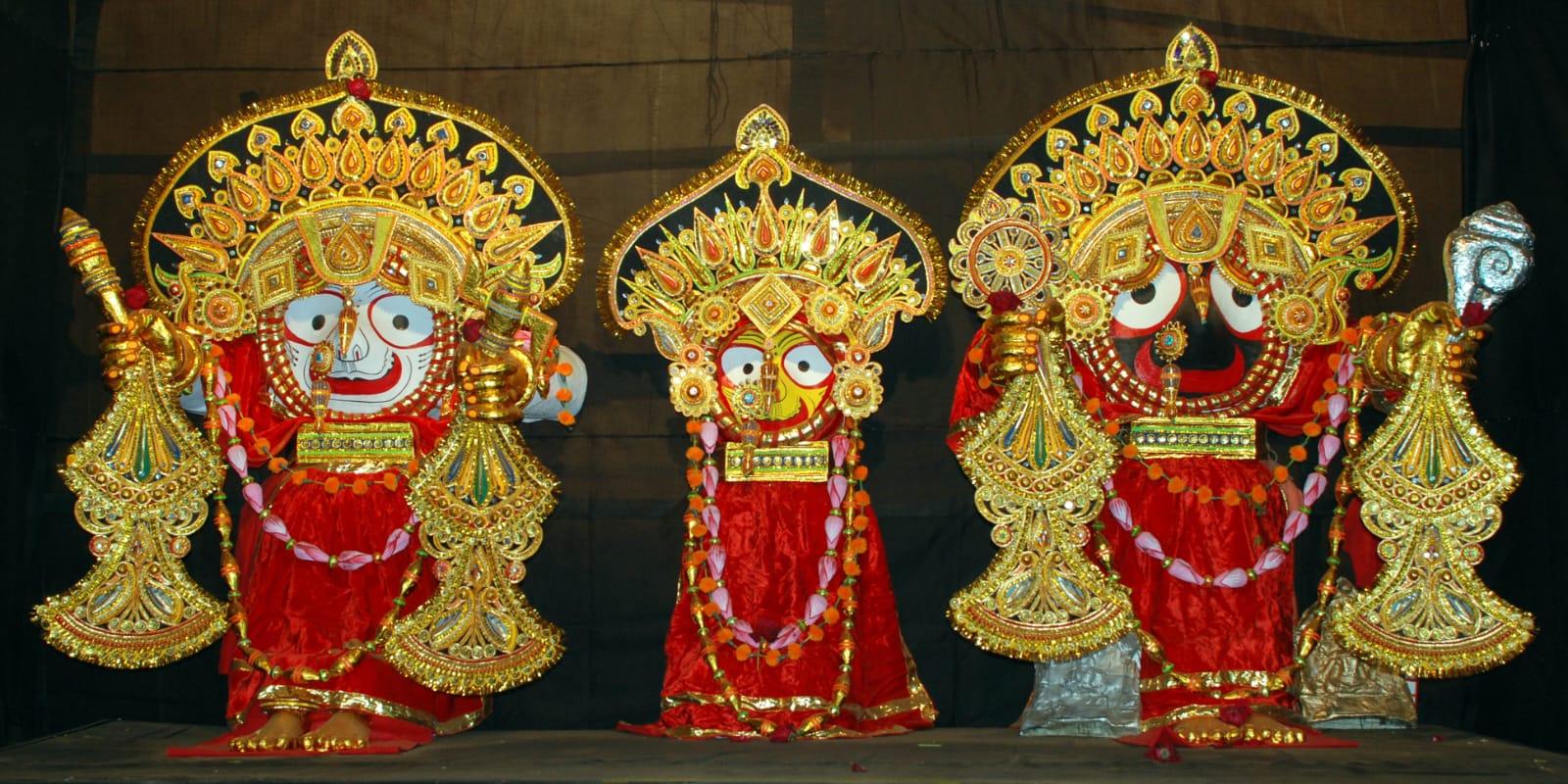
One of the most fascinating aspects of Panchuka is the special attire of the Holy Trinity at the Shree Jagannath Temple in Puri. During these five days, Lord Jagannath, Lord Balabhadra and Devi Subhadra are adorned in different traditional Beshas, each carrying its own religious and spiritual significance.
Four-day Panchuka in Odisha this year
This year, Odisha to practice only four days of Panchuka instead of the traditional five days because of a rare Hindu lunar calendar phenomenon known as 'Tithi Kshaya' (loss of a lunar date). November 21, Saturday marks the first day of the holy Panchuka.

📱 Get Argus News App
✨📰 60 Word News🎬 Argus Podcast📺 Live TV and Breaking News🔔 Free Notification Alerts
Download Free:
According to the Hindu calendar, Panchuka covers five lunar dates: Ekadashi, Dwadashi, Trayodashi, Chaturdashi and Purnima.
However, in 2026, Dwadashi Tithi will begin and end between two consecutive sunrises. Consequently, it will not prevail at sunrise on a separate day. This missing out of a Tithi at sunrise is known as Tithi Kshaya.
Since Dwadashi Tithi will not fall on a separate day's sunrise, the traditional Bankachuda Besha of Lord Jagannath will not be performed this year, as per the reports on the temple's ritual schedule.
What Is Panchuka?
Panchuka is observed during the last five days of the Kartika month, from Ekadashi to Kartika Purnima. Devotees believe that worshipping Lord Vishnu and Lord Jagannath during Panchuka brings blessings, peace and spiritual merit. The entire month of Kartika is considered auspicious, but the final five days hold special religious significance.
Many devotees observe fasting, perform prayers, light lamps and visit temples during these days. Panchuka is believed to be an opportunity to cleanse the mind and soul through religious practices and good deeds.
Religious and Spiritual Significance of Panchuka
According to the Hindu belief, Kartika month is observed as one of the holiest months , beloved by Lord Vishnu and Lord Shiva. Panchuka is considered the culmination of a month-long Kartika brata (fast) and is believed to be especially meritorious for the devotees.
It is said that during these five days, Lord Vishnu wakes from his Chaturmasya slumber (Lord Vishnu’s four months deep sleep). Devotees believe that even those who cannot observe the entire Kartika month can complete the spiritual merits of the month by observing Panchuka.
Connection with Lord Jagannath
In Puri's Jagannath Temple, the deities give darshan in special attires during these five days, attracting thousands of devotees.
Lord Jagannath and his sibling deities get traditionally adorned in five special forms:
First day: Lakshmi-Narayana Besha (Thiakia Besha)
Observed on Kartika Shukla Ekadashi, this Besha represents the divine form of Lord Narayana with Goddess Lakshmi. This attire of the Lord symbolises prosperity, wealth, peace and divine blessings. It also represents the inseparable relationship between Lord Vishnu and Goddess Lakshmi.
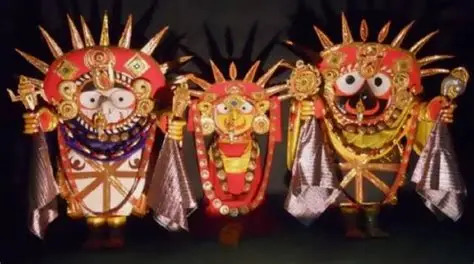
Second day: Bankachuda Besha
Observed on Kartika Shukla Dwadashi, this Besha is characterised by a distinctive golden head ornament. It reflects the charming and divine appearance of the Lord and is associated with the traditional worship of Lord Krishna. The special crown gives this Besha its unique identity.
Third day: Tribikrama Besha
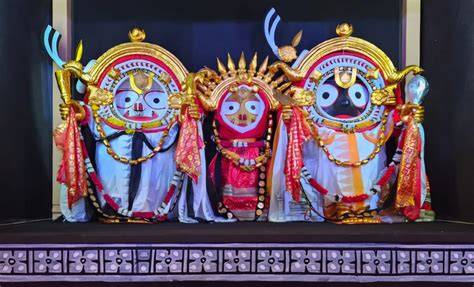
Observed on Kartika Shukla Trayodashi, this Besha represents Lord Vishnu's Trivikrama form. This attire recalls the story of Vamana, who assumed a gigantic form and covered the three worlds in three steps. It symbolises the infinite power of the Almighty and the victory of righteousness over pride.
Fourth day: Lakshmi-Nrusimha Besha (Dalikia Besha)
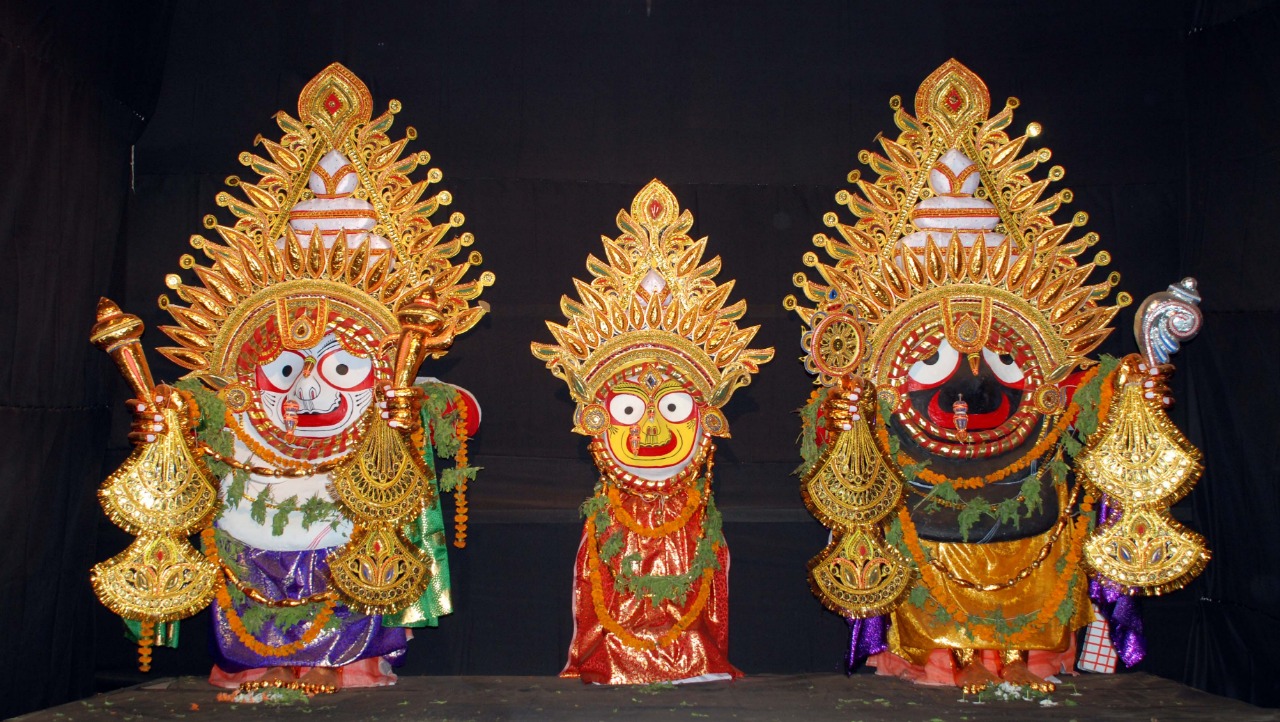
Observed on Kartika Shukla Chaturdashi, this Besha represents Lord Vishnu's powerful Narasimha incarnation. Lord Narasimha symbolises divine protection and the destruction of evil. The form represents the belief that God protects devotees and establishes righteousness.
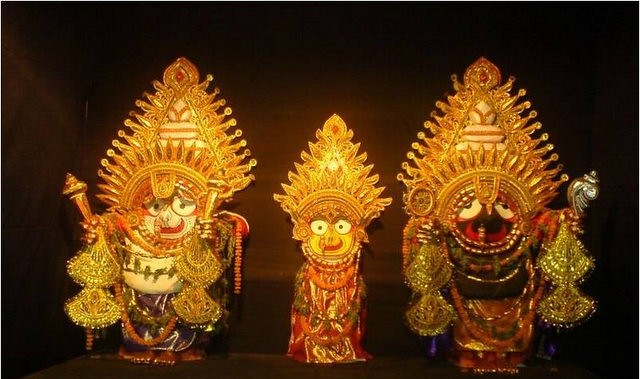
Fifth day: Raja Rajeswar Besha (also known as Rajadhiraja Besha).
Observed on Kartika Purnima, this is the grand royal decoration of the Holy Trinity. The attire represents Lord Jagannath as the supreme ruler of the universe. Adorned with magnificent ornaments and royal attire, Mahaprabhu appears as the King of Kings, symbolising divine authority, majesty and universal supremacy.
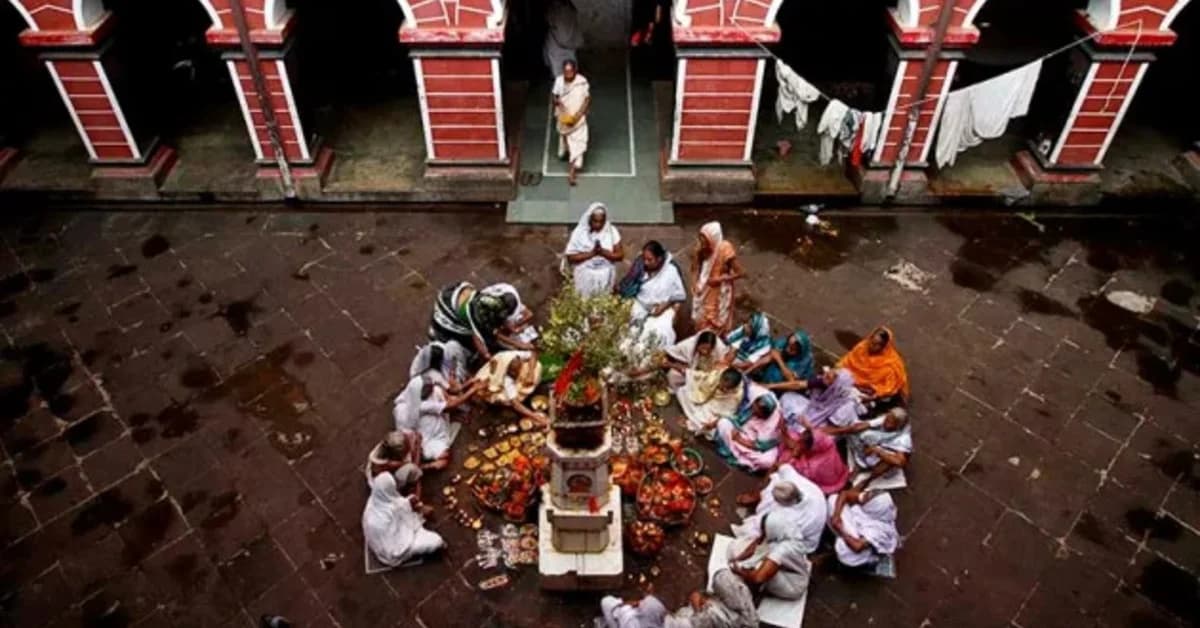
In Odisha, Habisiyalis, mainly elderly widowed women who undertake Kartika Brata, particularly garthering in Puri, to dedicate the month to prayer, devotion and spiritual discipline.
During this month-long fast, many Habisyalis travel to Puri and stay in designated accommodation facilities to participate the religious rituals. The group of women eat simple, traditionally prescribed vegetarian food, worship and offer prayers to Lord Jagannath and the sacred Tulasi plant. They visit Shree Jagannath Temple and follow a dietary restrictions and maintain a devotional lifestyle.
As per reports, this year, over 2500 Habisyalis from 29 districts of Odisha participated in Kartika Brata observance in Puri.
Why is Panchuka also called Bagapanchuka?
In Odisha, Panchuka is popularly associated with the phrase 'Bagapanchuka'. According to a popular religious belief, even those who do not observe strict fasting or religious discipline throughout Kartika can earn spiritual merit by observing devotion during these final five days.
What happens on the last day?
The fifth day coincides with Kartika Purnima, which is celebrated as Boita Bandana in Odisha. People across Odisha float boats (boita) made of banana stems, paper or cork in rivers, ponds and other water bodies. The offerings on the boita include betel leaves, betel nuts, rice, flowers, and lit lamps. The ritual honors ancient Kalinga traders (Sadhabas) who sailed to Bali, Java, Sumatra, and Borneo.
Also Read: Puri gears up for Panchuka; Over 30 police platoons deployed
Odisha also marks the beginning of Asia’s largest open‑air trade fair 'Bali Jatra' on the banks of Mahanadi in Cuttack (now known as Kataka).
In Puri's Jagannath Temple, the deities give darshan in special attires during these five days, attracting thousands of devotees.
Lord Jagannath and his sibling deities get traditionally adorned in five special forms:
First day: Lakshmi-Narayana Besha (Thiakia Besha)
Observed on Kartika Shukla Ekadashi, this Besha represents the divine form of Lord Narayana with Goddess Lakshmi. This attire of the Lord symbolises prosperity, wealth, peace and divine blessings. It also represents the inseparable relationship between Lord Vishnu and Goddess Lakshmi.
Second day: Bankachuda Besha
Observed on Kartika Shukla Dwadashi, this Besha is characterised by a distinctive golden head ornament. It reflects the charming and divine appearance of the Lord and is associated with the traditional worship of Lord Krishna. The special crown gives this Besha its unique identity.
Third day: Tribikrama Besha
Observed on Kartika Shukla Trayodashi, this Besha represents Lord Vishnu's Trivikrama form. This attire recalls the story of Vamana, who assumed a gigantic form and covered the three worlds in three steps. It symbolises the infinite power of the Almighty and the victory of righteousness over pride.
Fourth day: Lakshmi-Nrusimha Besha (Dalikia Besha)
Observed on Kartika Shukla Chaturdashi, this Besha represents Lord Vishnu's powerful Narasimha incarnation. Lord Narasimha symbolises divine protection and the destruction of evil. The form represents the belief that God protects devotees and establishes righteousness.
Fifth day: Raja Rajeswar Besha (also known as Rajadhiraja Besha).
Observed on Kartika Purnima, this is the grand royal decoration of the Holy Trinity. The attire represents Lord Jagannath as the supreme ruler of the universe. Adorned with magnificent ornaments and royal attire, Mahaprabhu appears as the King of Kings, symbolising divine authority, majesty and universal supremacy.
In Odisha, Habisiyalis, mainly elderly widowed women who undertake Kartika Brata, particularly garthering in Puri, to dedicate the month to prayer, devotion and spiritual discipline.
During this month-long fast, many Habisyalis travel to Puri and stay in designated accommodation facilities to participate the religious rituals. The group of women eat simple, traditionally prescribed vegetarian food, worship and offer prayers to Lord Jagannath and the sacred Tulasi plant. They visit Shree Jagannath Temple and follow a dietary restrictions and maintain a devotional lifestyle.
As per reports, this year, over 2500 Habisyalis from 29 districts of Odisha participated in Kartika Brata observance in Puri.
Why is Panchuka also called Bagapanchuka?
In Odisha, Panchuka is popularly associated with the phrase 'Bagapanchuka'. According to a popular religious belief, even those who do not observe strict fasting or religious discipline throughout Kartika can earn spiritual merit by observing devotion during these final five days.
What happens on the last day?
The fifth day coincides with Kartika Purnima, which is celebrated as Boita Bandana in Odisha. People across Odisha float boats (boita) made of banana stems, paper or cork in rivers, ponds and other water bodies. The offerings on the boita include betel leaves, betel nuts, rice, flowers, and lit lamps. The ritual honors ancient Kalinga traders (Sadhabas) who sailed to Bali, Java, Sumatra, and Borneo.
Also Read: Puri gears up for Panchuka; Over 30 police platoons deployed
Odisha also marks the beginning of Asia’s largest open‑air trade fair 'Bali Jatra' on the banks of Mahanadi in Cuttack (now known as Kataka).
Related Topics
Explore more stories