



Odisha Culture / Why Is This Sacred Tree Worshipped But Its Fruit Avoided On Anla Navami?
Key Points
Discover the mystery behind a healing tradition rooted in ancient beliefs, divine legends, and powerful practices that continue to inspire devotion and cultural pride across generations.
Bhubaneswar,
Oct 31: Every year,
on the ninth day of the waxing moon in the month of Kartika, communities across
Odisha come together to celebrate Anla Navami, also known as Amla Navami, a
festival that blends spiritual devotion with reverence for nature and
traditional wellness.
At the heart
of the celebration is the worship of the amla tree (Indian gooseberry), a plant
deeply rooted in both Hindu mythology and Ayurvedic medicine. Rich in iron and
vitamin C, the amla fruit is known to boost digestion, enhance skin radiance,
and reduce hair fall. Yet, on this particular day, the fruit is not consumed.
Instead, the tree itself becomes the focus of ritual and prayer.
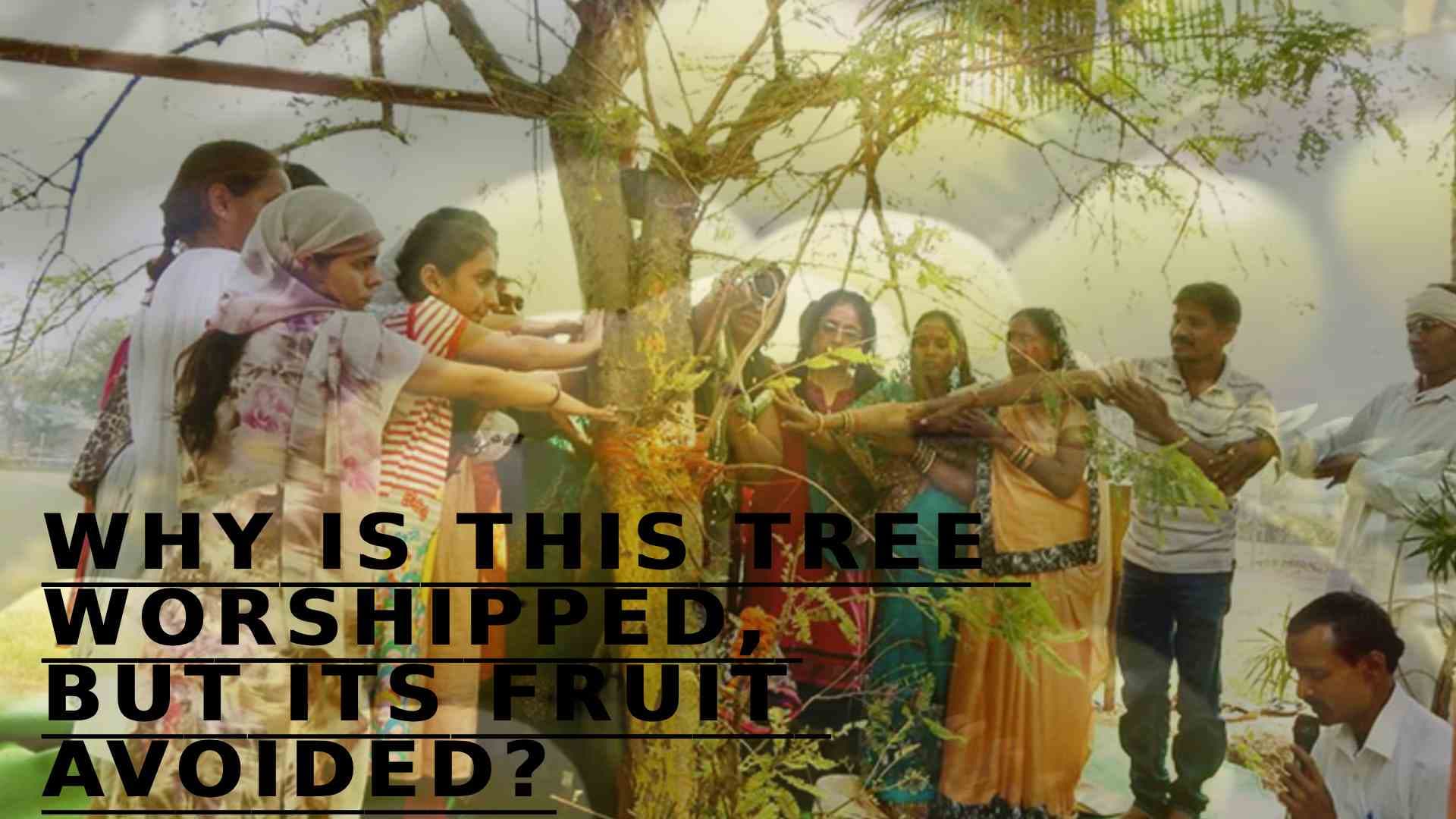
From early morning, devotees, especially women, begin the day with ritual baths, often in sacred rivers. They then gather around amla trees, decorating them with Sankha Chudi (red conch shell bangles), vermillion, sandalwood paste, and sacred threads.
Offerings of
raw milk, rice grains, incense, and flowers are placed at the tree’s base.
Circumambulation follows, typically eight times, though some devotees complete
108 rounds, while tying threads around the trunk as a symbol of devotion.

📱 Get Argus News App
✨The
mythology behind Anla Navami adds a rich layer of meaning to the rituals.
According to legend, Goddess Lakshmi once descended to Earth and wished to
worship both Lord Vishnu and Lord Shiva together. Realizing that Tulsi (holy
basil) is dear to Vishnu but not used in Shiva’s worship, she turned to the
amla tree, which symbolically contains the qualities of both Tulsi and Bel (a
plant dear to Lord Shiva). Worshipping the tree as a representation of both
deities, Lakshmi offered food at its base, prompting the divine appearance of
Vishnu and Shiva. This act established the tradition of cooking and offering
meals beneath the amla tree on this auspicious day.
The rituals
culminate in prayers for the well-being of children and the prosperity of the
household. Families gather under the tree to perform puja, listen to the story
of Anla Navami, and share a meal prepared in the sacred space.
Anla Navami stands as a testament to Odisha’s enduring cultural heritage, where mythology, nature, and holistic health converge in a celebration of gratitude and spiritual harmony.
Related Topics
Explore more stories