



Vedanta Aluminium Introduces Digital Learning Infrastructure in Rural Odisha Schools
Key Points
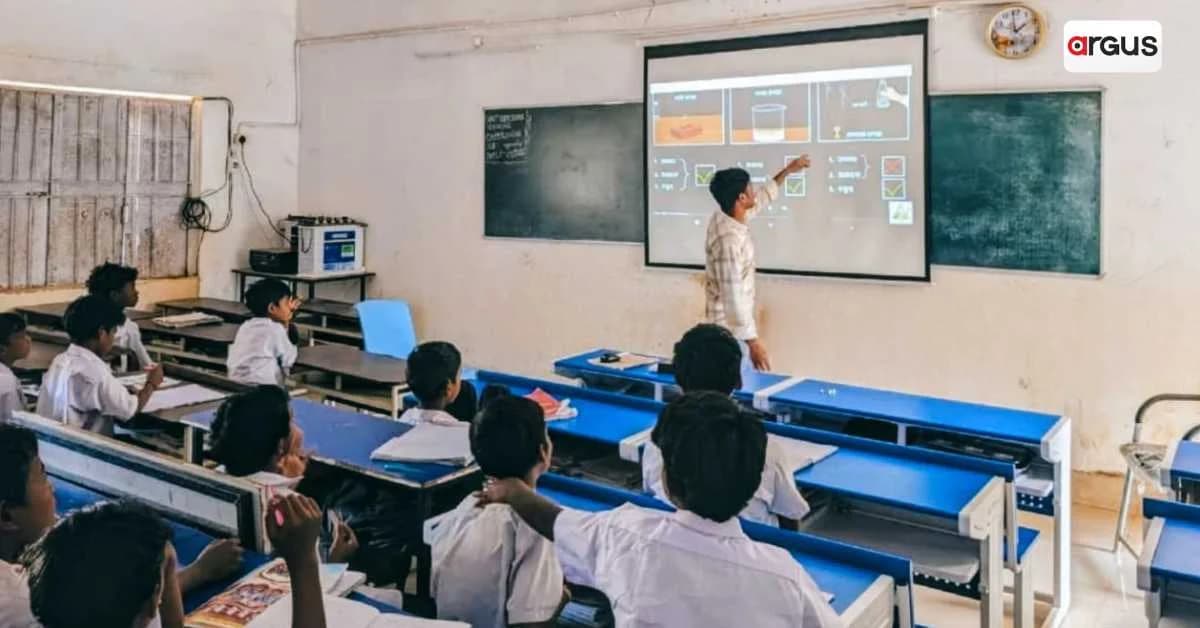
Bhawanipatna, Sep 30: Vedanta Aluminium has expanded access to technology-enabled education in Odisha's Kalahandi and Rayagada districts through its Gyan Jyoti (Digital Education) Project, benefiting more than 560 students and 17 teachers across six government schools.
The initiative aims to bridge the digital divide in remote rural communities by introducing modern digital classrooms and STEM-based learning tools that complement conventional teaching methods.
Six schools covered
Digital classrooms have been established at Kantamal Primary School, Sagabari Primary School, Taramundi Primary School, Nakrundi High School, Talaambapadar Upper Primary School and Chulabadi Upper Primary School. The project seeks to create interactive and engaging learning environments for students in underserved regions.

📱 Get Argus News App
✨As part of the initiative, the schools have been equipped with projectors, Android-based learning systems, curriculum-aligned educational content, STEM equipment and models, STEM libraries and solar-powered backup systems to ensure uninterrupted learning.
Focus on STEM education
Vedanta said the programme integrates digital technology with Science, Technology, Engineering and Mathematics (STEM) learning to enhance student engagement and improve classroom outcomes. Along with digital infrastructure, the project also supports teacher training and capacity-building programmes to promote innovative teaching practices.
Speaking on the initiative, Pranab Kumar Bhattacharyya, CEO, Alumina Business, Vedanta Aluminium, said the company aims to make technology-enabled education accessible to children in rural communities and equip them with the skills required in a knowledge-driven future.
Supporting early education
Vedanta's education interventions also include 25 Nand Ghar centres across the two districts, providing learning materials, basic amenities and audio-visual educational support to children aged between two and six years.
Parents and local communities have welcomed the initiative, saying digital learning tools have made classroom sessions more interactive and helped students understand concepts more effectively.
The company said its community development programmes in Kalahandi and Rayagada have benefited an estimated 30,000 people, covering sectors such as education, healthcare, livelihoods and infrastructure development.
Related Topics
Explore more stories