



Vedanta Aluminium Extends Nutritional Support To 63 TB Patients In Sundargarh
Key Points
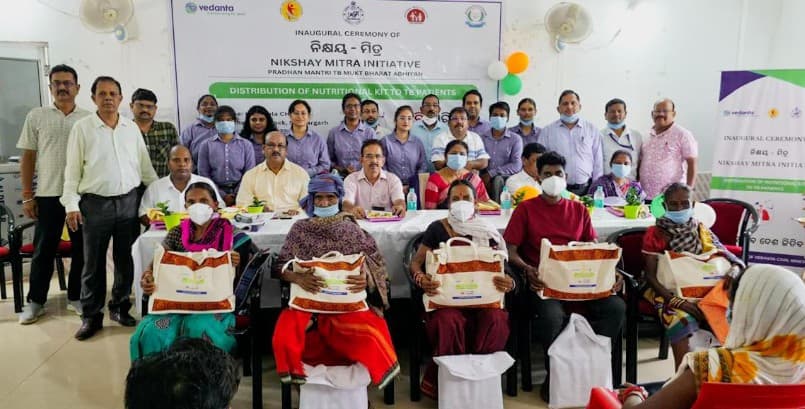
63 TB patients in Balishankara block receive nutritional kits for one year.
Vedanta Aluminium has supported over 550 TB patients in Odisha so far.
Sundargarh, July 25: In a significant step toward eradicating tuberculosis in Odisha, Vedanta Aluminium, India’s largest aluminium producer, has extended its support to the Prime Minister’s Nikshay Mitra programme by providing nutritional kits to 63 TB patients in the Balishankara block of Sundargarh district.
This initiative aligns with the national ‘TB Mukt Bharat Abhiyaan’, aimed at eliminating TB through community participation and sustained care.

📱 Get Argus News App
✨The launch event was held in the presence of Dr. Suresh Chandra Mohanty, Chief District Medical Officer (CDMO) of Sundargarh, along with ASHA workers and other dignitaries. The nutritional kits will support patients for a full year, helping improve recovery outcomes through enhanced immunity and treatment adherence.
Rajiv Kumar, CEO of Vedanta Aluminium, emphasized the company’s commitment to community health, stating, “Through Nikshay Mitra, we aim to contribute meaningfully to the national mission of a TB-free India. We’ve already supported over 550 patients in Jharsuguda and Kalahandi, and are proud to extend this care to Sundargarh.”
Dr. Mohanty highlighted the importance of nutritional support in TB treatment, especially in remote regions where access to healthcare remains a challenge. He praised Vedanta’s intervention as a vital reinforcement of government efforts at the grassroots level.
Vedanta Aluminium’s broader social initiatives span education, healthcare, sustainable livelihoods, infrastructure, and grassroots sports, reflecting its long-term commitment to inclusive development. By collaborating with local authorities and stakeholders, the company ensures its interventions lead to tangible socio-economic progress across Odisha.
This latest effort not only strengthens the digital and health infrastructure in underserved areas but also sets a precedent for corporate-community partnerships in public health.