



Odisha / Tiger Estimation 2026 Begins At Odisha's Similipal Reserve
Key Points
103 survey teams deployed for Phase-I, continuing till November 22.
Phase-II to use 1,500 camera traps across 1,321 grids starting December 1.
Baripada, Nov 15: The Forest Department of Odisha has launched the All India Tiger Estimation-2026 at the Similipal Tiger Reserve in Mayurbhanj district, marking a crucial step in assessing the population of tigers and other wildlife species in one of India’s most prominent reserves.
Two-Phase Exercise
According to Dr. Samrat Gowda, Deputy Director of Similipal Tiger Reserve, the estimation will be carried out in two phases. The first phase includes a three-day carnivore and mega-herbivore sign survey, followed by a four-day line transect survey and a one-day count of vultures and other bird species.
Phase-I Deployment

📱 Get Argus News App
✨Phase-I began on Saturday in the Similipal South Division, with 103 trained survey teams deployed to conduct the exercise. This phase will continue until November 22, covering extensive ground to ensure accurate data collection.
Camera Trapping in Phase-II
The second phase will involve an extensive camera trapping
exercise across 1,321 grids of the reserve. Nearly 1,500 camera traps will be
deployed in two cycles of 25 days each, starting December 1. This method is
expected to provide detailed insights into tiger movements, population density,
and habitat use.
Also Read: Similipal’s Rare Black Tiger Graces National Geographic Cover, CM Majhi Applauds
Importance of the Exercise
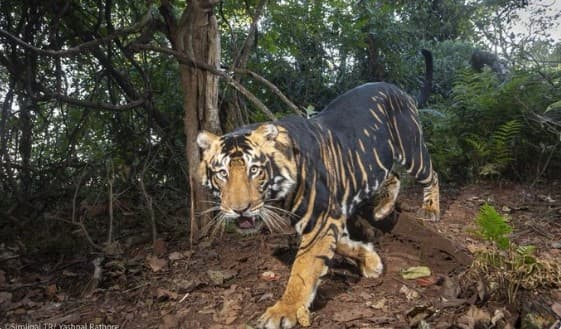
The tiger estimation is part of a nationwide effort to monitor and conserve India’s tiger population, ensuring scientific management of reserves and strengthening conservation strategies. Similipal, known for its rich biodiversity and unique melanistic tigers, plays a vital role in India’s tiger conservation landscape.
Officials emphasized that the exercise will not only help
assess tiger numbers but also provide valuable data on other carnivores,
herbivores, and bird species, contributing to a holistic understanding of the
reserve’s ecosystem.
Related Topics
Explore more stories