



The Golden Grandeur Of Suna Besha: Beyond Rath Yatra, When Does Lord Jagannath Shine In Gold?
Key Points
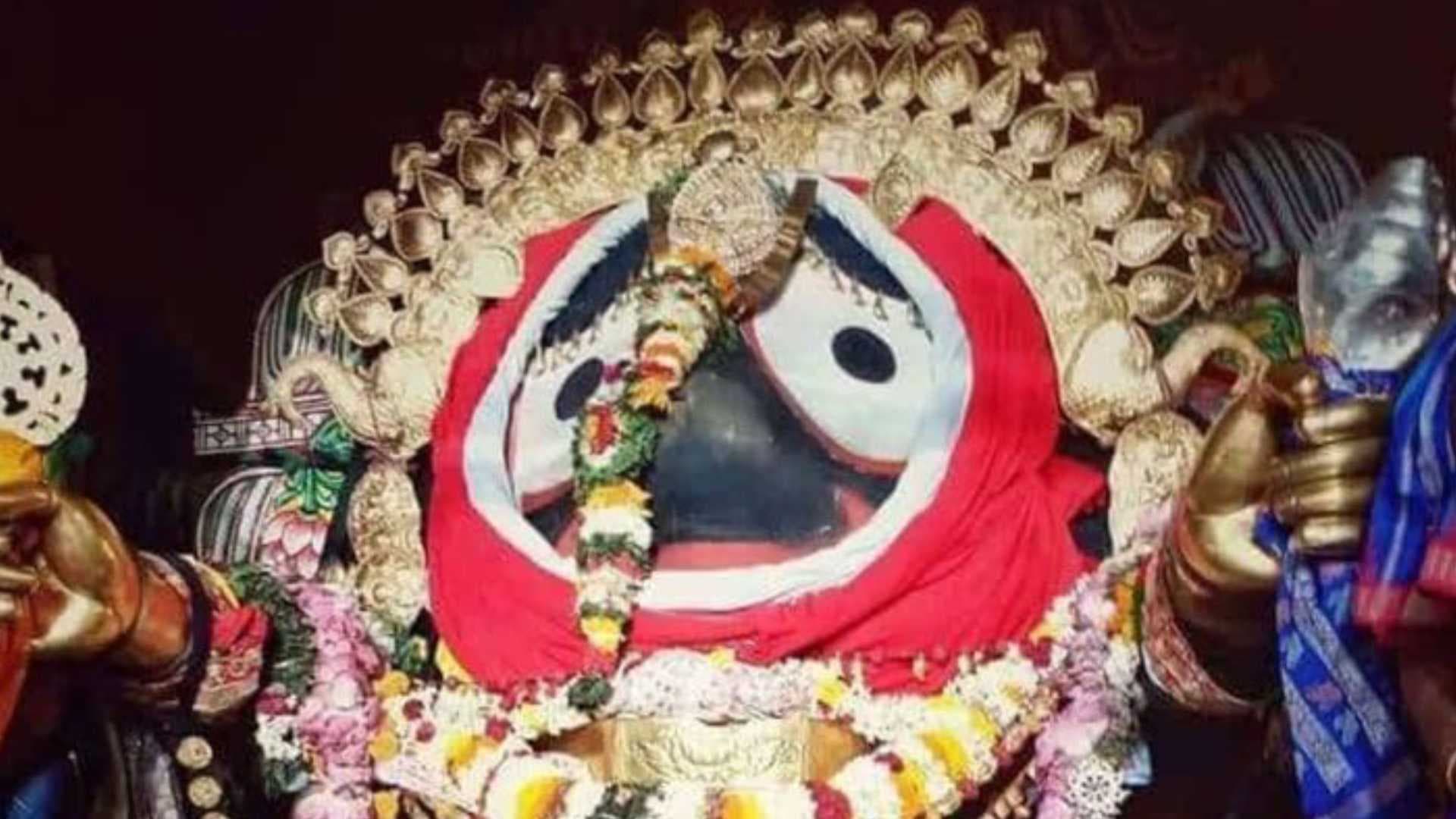
In the sacred city of Puri, Odisha, the divine spectacle of Suna Besha—literally meaning “Golden Attire”—is one of the most visually and spiritually captivating rituals associated with Lord Jagannath, Lord Balabhadra, and Devi Subhadra.
When is Suna Besha observed?
Bhubaneswar: In the sacred city of Puri, Odisha, the divine spectacle of Suna Besha—literally meaning “Golden Attire”—is one of the most visually and spiritually captivating rituals associated with Lord Jagannath, Lord Balabhadra, and Devi Subhadra. This revered tradition sees the deities adorned with opulent gold ornaments, transforming them into radiant embodiments of divine royalty.
When is Suna Besha observed?
Suna Besha is celebrated five times a year, each occasion steeped in spiritual significance and grandeur:
1. Bahuda Ekadashi (Ashadha Shukla Ekadashi) – This is the most prominent Suna Besha, observed during the Rath Yatra festival. It takes place on the 11th day of the bright fortnight of Ashadha, when the deities return from the Gundicha Temple and are adorned with gold while seated on their chariots at the Singhadwara of the Jagannath Temple.
2. Magha Purnima – Celebrated on the full moon day of the month of Magha, this Suna Besha is held inside the sanctum of the temple on the Ratna Singhasana.
3. Dola Purnima – Coinciding with the colorful festival of Holi, this adornment also takes place within the temple premises.
4. Dashahara – On this auspicious day marking the triumph of good over evil, the deities are again dressed in golden finery inside the temple.
5. Kartik Purnima – The full moon of Kartik is considered highly sacred, and the deities are once more adorned in gold within the temple.
The Ritual And Its Symbolism
During Suna Besha, the deities are bedecked with golden crowns, armlets, necklaces, and other ornaments. Lord Jagannath is adorned with a golden chakra and a silver conch, while Lord Balabhadra holds a golden plough and mace. These ornaments are not merely decorative—they symbolize divine sovereignty, cosmic power, and spiritual wealth.
The most iconic Suna Besha, held during Rath Yatra, is unique because it is conducted in full public view, allowing even non-Hindus—who are otherwise not permitted inside the temple—to witness the divine spectacle.
Historical Origins
The tradition of Suna Besha dates back to the 15th century, during the reign of King Kapilendradeva of the Gajapati dynasty. After a victorious military campaign in southern India, the king donated his war bounty—carried on 16 elephants—to Lord Jagannath. The gold was used to craft the ornaments that continue to be used in the ritual today.
A Living Legacy
Suna Besha is more than a ritual—it is a celebration of Odisha’s rich cultural heritage, a symbol of divine kingship, and a moment of profound spiritual connection for millions of devotees. Whether witnessed on the grand chariots or within the temple’s sanctum, the golden glow of Suna Besha continues to illuminate hearts with devotion and awe.
