



SIR / Special Intensive Revision 2026: Final Voter List Published in Khordha and Kataka
Key Points
Odisha publishes final voter lists under Special Intensive Revision 2026. Khordha records 10.6 lakh voters, Kataka 19.5 lakh, with thousands of new names added and ineligible entries removed.
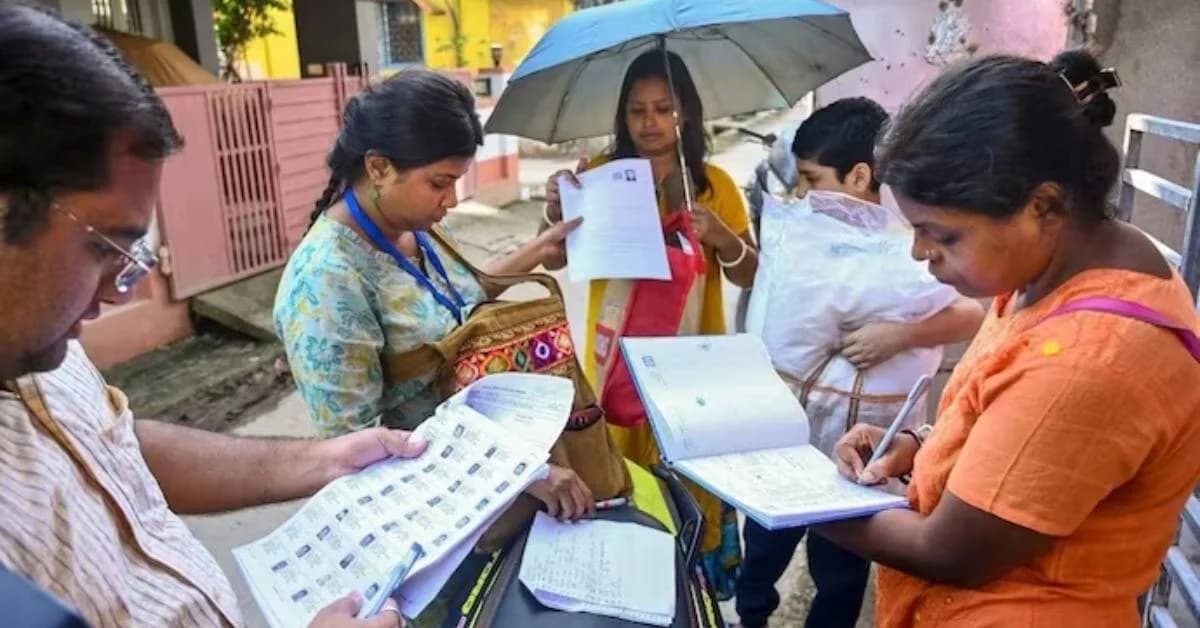
Bhubaneswar, Sep 21: The final voter list under the Special Intensive Revision (SIR) 2026 has been published across Khordha and Kataka districts, marking the completion of the electoral roll update based on the qualifying date of July 1, 2026.
In Khordha district, the draft roll published on July 5 contained 10,51,591 voters. Following hearings on claims and objections between July 5 and August 19, a total of 993 names were deleted, while 9,539 new voters were added.
The final roll now stands at 10,60,137 voters, including 8,076 young voters (18–19 years), 8,404 senior citizens above 85 years, and 16,678 persons with disabilities.
Also read: Indravati Gate Opens after 7 Years, Hirakud Hits Maximum Level as Odisha Braces Heavy Rain

📱 Get Argus News App
✨Similarly, in Kataka district, the final list shows 19,52,630 voters. Of these, 10,11,814 are male and 9,40,656 female. The revision added 25,020 new voters, while 3,005 names of deceased and duplicate voters were removed.
Officials confirmed that the final rolls are available at the offices of Electoral Registration Officers (EROs) and Booth Level Officers (BLOs). Voters can also access the lists online via the Chief Electoral Officer, Odisha’s website (ceoorissa.nic.in) and the Election Commission of India’s portal (voters.eci.gov.in).
District administrations have clarified that any objections or appeals regarding the final list can be submitted to the District Collector or the Chief Electoral Officer.
Related Topics
Explore more stories