



Air Quality Index / Smoke smog and winter chill worsen air quality across Odisha cities
Key Points
Post Diwali firecracker smoke, winter conditions and industrial emissions have pushed air quality in several Odisha cities into the poor category, raising health concerns and calls for greater awareness.
Bhubaneswar, Nov 9: As the festive glow of Diwali fades, concerns over rising air pollution have come sharply into focus across Odisha.
Firecracker emissions, combined with falling temperatures and industrial pollution, have significantly deteriorated air quality in several cities, with Talcher emerging as one of the worst-affected locations.
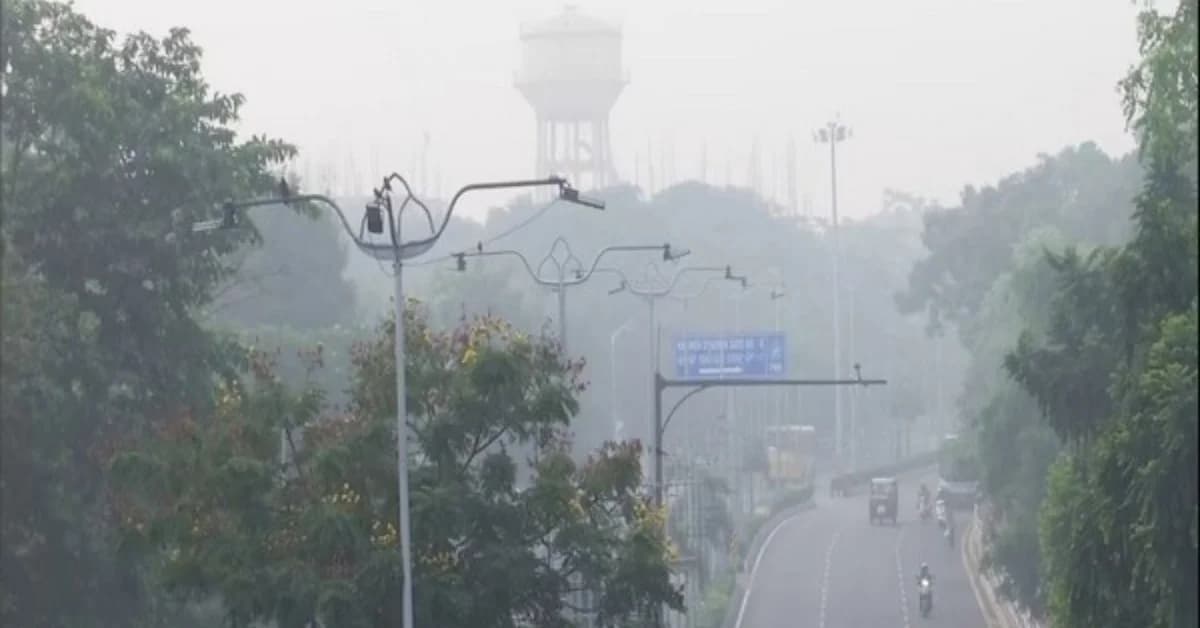
Residents of Bhubaneswar woke up to a blanket of haze and fog on Sunday morning, a visible reminder of the pollution lingering in the atmosphere after Diwali celebrations.
Also read: Diwali Firecracker Dispute Turns Violent in Bhubaneswar, Balangir

📱 Get Argus News App
✨According to air quality monitoring data recorded at 11:30 am, Talcher registered an Air Quality Index (AQI) of 281, placing it firmly in the "Poor" category. Other locations also reported concerning levels, with Bileipada recording 258, Bhubaneswar 206, Cuttack 192, Angul 186 and Rourkela 178.
Among these, Talcher, Bhubaneswar and Cuttack continued to remain in the poor air quality category, raising concerns for public health.
Experts attribute the deterioration primarily to firecracker smoke, which releases high concentrations of particulate matter such as PM2.5 and PM10 into the atmosphere. These tiny particles can remain suspended in the air for extended periods and penetrate deep into the respiratory system.
The problem has been aggravated by declining temperatures and a phenomenon known as temperature inversion, which traps pollutants closer to the ground rather than allowing them to disperse.
In industrial regions such as Talcher and Anugola, emissions from mining and industrial operations have further contributed to the pollution load.
Health experts warn that exposure to polluted air can trigger respiratory illnesses, asthma attacks, bronchitis and irritation of the eyes and throat.
Pollutants released from firecrackers also include harmful gases such as sulphur dioxide, nitrogen dioxide and carbon monoxide, along with traces of heavy metals including lead, cadmium, strontium and aluminium. These substances can react in sunlight to form toxic smog, posing additional health risks.
Children, senior citizens and individuals with pre-existing
respiratory or heart conditions are considered particularly vulnerable.
Related Topics
Explore more stories