



Skin Transplants and Survival: What You Need to Know About Burn Injuries
Key Points
Burns cause fluid loss, requiring urgent fluid administration to prevent organ failure.
Less than 40% body burns offer higher survival chances; infections reduce odds.
Temporary grafts last 7-10 days; low skin donation rates limit treatment options.
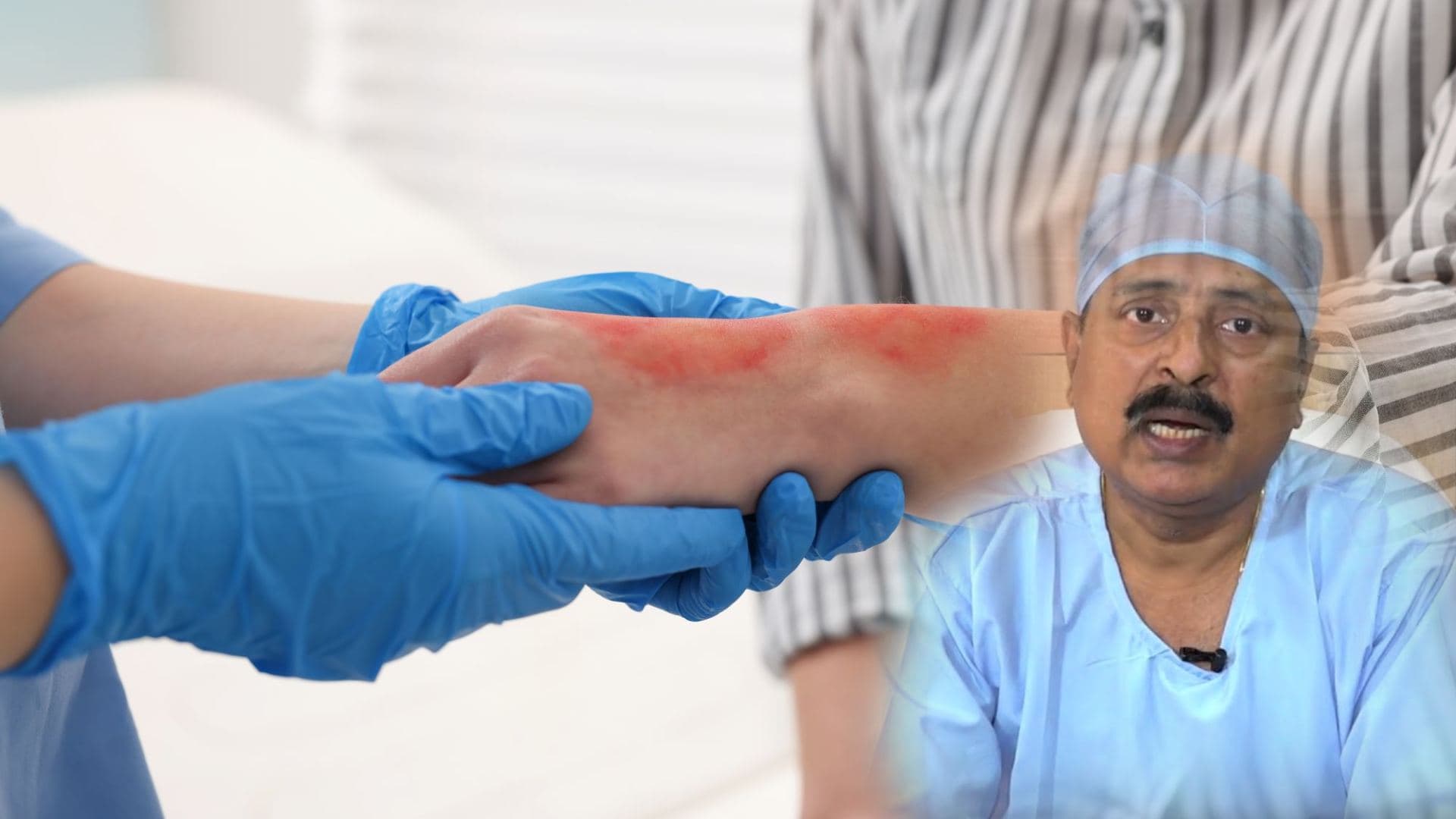
Cuttack, Jul 22: Burn injuries are a critical medical emergency requiring immediate and specialized treatment to maximize survival chances, according to Professor Dr. Bibhuti Bhusan Nayak, Head of the Plastic Surgery Department at SCB Medical College and Hospital in Cuttack, Odisha.
Burns cause significant fluid loss, which can lead to kidney or heart failure if not addressed promptly with adequate fluid administration. To prevent infections — a major threat to burn victims — antibiotics are administered immediately.

📱 Get Argus News App
✨The severity of burns plays a critical role in determining survival. Dr. Nayak explains that when less than 40% of the body is burned, survival chances are significantly higher, provided infections are controlled. However, extensive or deep burns drastically reduce survival probability, particularly if infections set in. For severe cases, the body’s ability to recover is compromised, making timely intervention crucial.
Skin transplantation, one of the most challenging procedures in burn treatment, is often necessary for severe cases. India has 15 skin banks, but low public awareness limits skin donations, hindering access to grafts.
Temporary skin grafts, which last 7-10 days, are used to cover burned areas, buying time for the patient’s healthy skin to be transplanted. If this is not feasible due to extensive burns or severe infections, survival becomes unlikely. Dr. Nayak emphasizes that the less severe the burn, the better the prognosis, as healthy skin can often be sourced from the patient’s own body for grafting.
Dr. Nayak’s insights underscore the importance of rapid medical response, infection control, and access to skin grafts for burn victims. Public awareness about skin donation and advancements in burn care are critical to improving outcomes.
The Treatments At A Glance:
- # When the body is burned, it loses bodily fluids, requiring immediate administration of fluids. Failure to provide the correct amount of fluids at the right time can lead to kidney or heart failure.
- # Antibiotics are given immediately to prevent infection in the body.
- # The chances of survival are very low if a large part of the body is burned, but the less severe the burns, the higher the survival probability.
- # If less than 40% of the body is burned, the chances of survival are higher. However, severe infections can reduce the likelihood of survival.
- # Deep burns also significantly reduce survival chances.
- # There are 15 skin banks in the country, but due to lack of awareness, most people do not donate skin.
- # Skin transplantation is the most challenging procedure. It temporarily covers the burned area for 7-10 days. Skin grafted from one person to another lasts only 7-10 days. During this period, the patient’s healthy skin should be transplanted onto their body. If this is not done and severe infection occurs, survival chances diminish. For extensive burns, healthy skin cannot be taken from the patient’s body, so the less severe the burn, the better the survival odds.
read more Odisha news