



Cyclone Impact / Scars of Cyclone Arnab still visible as Ganjam watches the sky again
Key Points
Cyclone Arnab’s floods washed away homes, livelihoods and hopes in Ganjam. As survivors struggle to rebuild, a fresh cyclone threat is rekindling fear across the flood-ravaged district.
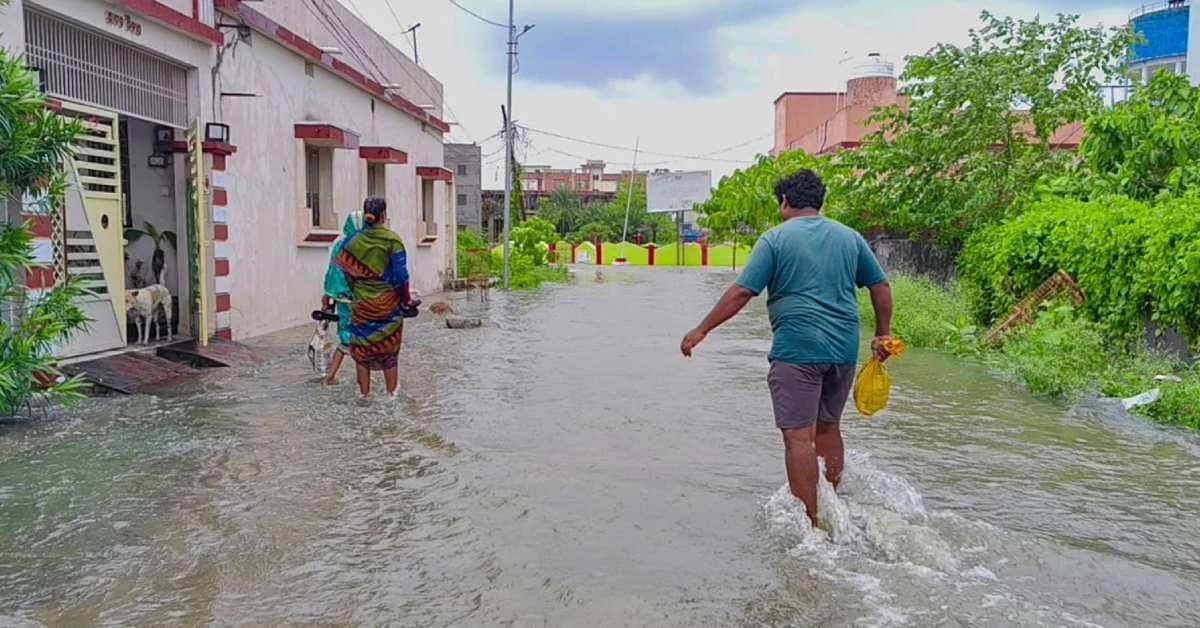
Brahmapur, Nov 2: The waters have receded, but the scars remain. Days after Cyclone Arnab-triggered floods wreaked havoc across Ganjam district, thousands of residents are still struggling to come to terms with the devastation that swept through their lives.
And now, with another cyclone threat emerging over the Bay of Bengal, fear has once again gripped the flood-hit communities.
In Purusottampur and other low-lying areas along the Rushikulya river basin, memories of the recent flood continue to haunt residents.
Swollen waters of the Rushikulya submerged homes, agricultural fields, livestock and household belongings, leaving many families devastated. What took years to build was washed away in a matter of hours.

📱 Get Argus News App
✨Also read: Cyclone Murasu nears Andhra coast, yellow alert for five Odisha districts
Families Recall Helplessness
For many survivors, the emotional trauma remains as painful as the financial loss. Families who had taken shelter elsewhere after floodwaters entered their homes still recall the helplessness of watching their lifelong savings disappear before their eyes.
Among them is Nabi Rani Maharana of Kanaka Khandia Sahi, whose family lost valuables, food grains and savings set aside for her son’s marriage.
Blow to Livelihoods
The flood has also dealt a severe blow to livelihoods. In Asika’s Kumhar Sahi, nearly 50 potter families have seen their businesses collapse.
Earthen lamps, pots and ceremonial clay items prepared for the upcoming festival season were destroyed after floodwaters inundated workshops and storage areas. Their hopes of festive earnings have been washed away along with their products.
Health Concerns
Meanwhile, concerns are mounting over public health in Asika town. Piles of garbage and debris remain uncleared even five days after the flood. Residents complain of foul odours and poor sanitation conditions, raising fears of disease outbreaks.
With another spell of rain likely under the influence of a fresh storm system, people worry that the situation could worsen.
Story of Survival amid Financial Blow
The local market tells another story of survival. Shops damaged by floodwaters are selling garments, shoes and other goods at heavily discounted prices in an effort to recover at least part of their losses.
Asika market is witnessing huge crowds. Roads are congested and long queues of customers can be seen outside shops. However, the story behind this rush is quite different.
After floodwaters entered shops, merchandise worth thousands of rupees, including clothes, shoes and slippers, was damaged. Dresses that once sold for ₹2,000 are now being offered for as little as ₹200, while shoes priced at ₹1,500 are available for just ₹300.
Prolonged exposure to floodwater has affected the colour, quality and condition of many products, making it impossible for traders to sell them at regular prices.
Shopkeepers are now trying to minimise losses by selling the damaged stock at heavily discounted rates.
While customers are flocking to the market to take advantage
of the low prices, traders are struggling with the financial blow caused by the
floods. Some have lost months' worth of inventory, while others have seen goods
purchased on credit become unsellable after being soaked in water.
Related Topics
Explore more stories