



Rolling With The Divine: Inside Odisha’s Rath Yatra Spectacle
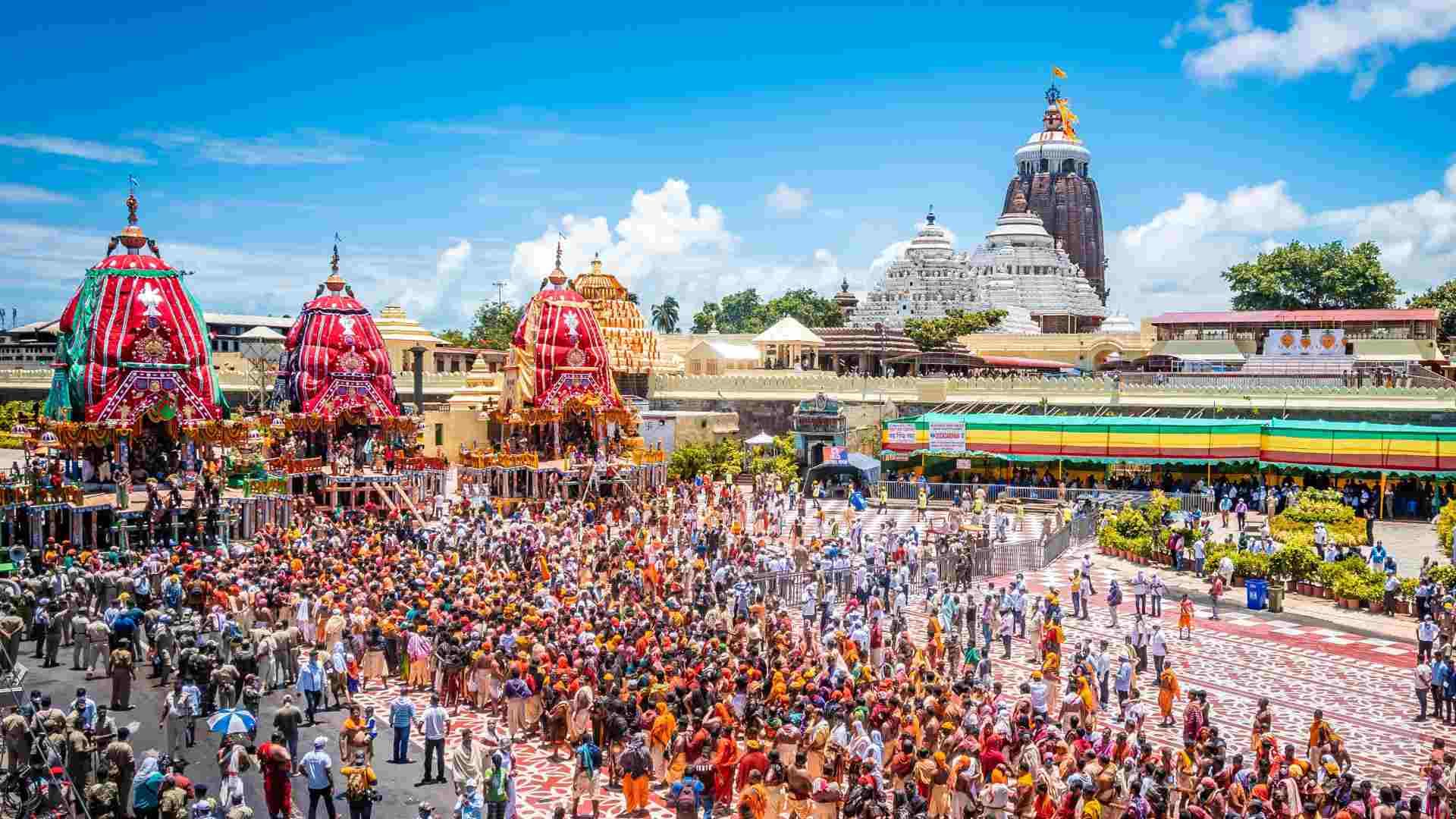
Key Points
Rath Yatra celebrates Lord Jagannath’s journey to Gundicha Temple in massive chariots.
Bahuda Yatra marks the deities’ sacred return to the temple after nine days. Suna Besha showcases the deities adorned in over 200 kg of gold jewelry, symbolizing prosperity.
Bhubaneswar, Jul 5: The annual Rath Yatra (Chariot Festival) in Puri, Odisha, is one of India’s grandest religious processions, drawing millions of devotees and observers from across the globe.
Centred around the Jagannath Temple, the festival celebrates the journey of Lord Jagannath, his elder brother Lord Balabhadra, and sister Devi Subhadra from their sanctum to the Gundicha Temple — a symbolic visit to their maternal aunt's abode.

📱 Get Argus News App
✨Held on the second day of the bright fortnight of Ashadha (June-July), the Rath Yatra marks the only time when devotees, irrespective of religion and caste, get a chance to see and touch the deities as they travel in colossal chariots through the streets of Puri. Each deity has a uniquely designed chariot — Nandighosa for Lord Jagannath, Taladhwaja for Lord Balabhadra, and Darpadalana for Devi Subhadra.
Bahuda Yatra, or the return journey, takes place nine days later, when the deities make their way back to the Jagannath Temple. This phase of the festival is considered equally sacred, symbolizing the cyclical nature of life and spiritual homecoming.
The most visually stunning aspect arrives with Suna Besha, held on the day after Bahuda Yatra. On this occasion, the deities appear in dazzling gold ornaments while seated atop their chariots in front of the temple.
The adornment represents divine royalty and cosmic wealth, with the deities gleaming in gold jewelry weighing over 200 kg. Thousands gather to witness the radiant spectacle, believed to bestow prosperity and blessings.
History & Significance
The Rath Yatra, Bahuda Yatra and Suna Besha form the spiritual backbone of the annual festivities at the Jagannath Temple in Puri, Odisha, each representing a unique phase in the divine journey of Lord Jagannath, Lord Balabhadra, and Devi Subhadra.
Rath Yatra: The Grand Chariot Festival
Origins: Mentioned in ancient scriptures like the Skanda Purana, Padma Purana, and Brahma Purana, Rath Yatra dates back over 900 years, with formal celebrations beginning under King Anantavarman Chodaganga Deva in the 12th century.
Symbolism: The deities leave the sanctum to visit Gundicha Temple, believed to be their maternal aunt’s home. This journey symbolizes Lord Krishna’s travel from Gokul to Mathura, and the divine mingling with devotees of all backgrounds.
Chariots:
- Nandighosha (Lord Jagannath): 16 wheels, red & yellow canopy
- Taladhwaja (Lord Balabhadra): 14 wheels, red & green canopy
- Darpadalana (Devi Subhadra): 12 wheels, red & black canopy
Bahuda Yatra: The Return Journey
Held nine days after Rath Yatra, on Ashadha Shukla Navami. “Bahuda” means “return” in Odia. It marks the deities’ journey back to the Jagannath Temple from Gundicha Temple, symbolizing homecoming and spiritual reunion.
Suna Besha: The Golden Adornment
It is celebrated on Bahuda Ekadashi, the day after Bahuda
Yatra. Initiated in 1460 CE by King Kapilendra Deva, who
donated gold after a victorious campaign in southern India.
Rituals:
- Deities are adorned with over 200 kg of gold ornaments while seated on their chariots outside the temple
- Ornaments include crowns, armlets, earrings, chakra, conch, lotus, and mace
- Symbolizes divine royalty and cosmic prosperity, not materialism
These festivals are not merely rituals but embody deep philosophical concepts—impermanence, equality, devotion, and liberation. Rath Yatra serves as a metaphor for life’s journey and the belief that the divine resides among all, transcending temple walls.
read more Odisha news