



Politics / Panchayat Elections: Rural Odisha To Redraw Party Fortunes
Key Points
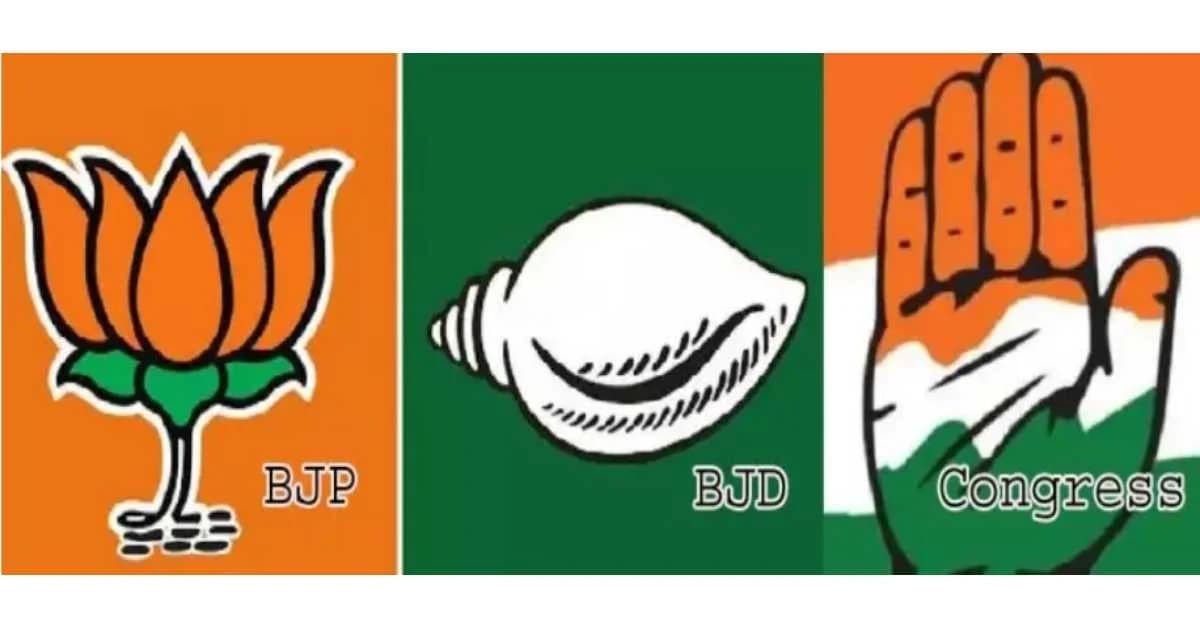
Bhubaneswar, Aug 29: Uncertainty looms over the timing of Odisha’s next panchayat elections, due in 2027, but political parties are already mobilising at the grassroots. For the BJP, BJD, and Congress, the contest is not merely about winning sarpanch or zilla parishad posts — it is a test of organisational depth in the villages.
Analysts see the polls as a litmus test for the ruling BJP. Since coming to power in 2024, the party claims to have delivered on most promises. The panchayat elections will reveal whether those claims resonate in rural Odisha. Success in parliamentary and assembly polls does not automatically translate into strong booth‑level networks, and the BJP is now pushing cadres to carry government schemes directly to households. Chief Minister Mohan Charan Majhi, state president Manmohan Samal, and other leaders are holding frequent strategy sessions to energise the organisation. Yet, the BJP’s challenge remains stark: unlike the BJD, it lacks a deep‑rooted rural cadre base.
The BJD, though out of power since 2024, retains its old organisational muscle. Party chief Naveen Patnaik has vowed to stay active until 2029, while Sujata Pandian has been projected into leadership roles. Veteran local leaders and long‑standing networks still give the BJD influence in many pockets. The question is whether the party can quickly revive its machinery and combine Patnaik’s personal popularity with anti‑incumbency against the BJP.
For the Congress, the road is steepest. Its vote share has collapsed from 39 per cent in 2000 to just 13.26 per cent in 2024. State president Bhakta Charan Das faces twin tasks: rebuilding a fractured organisation and presenting Congress as a credible alternative. Mere criticism of the government or the BJD will not suffice; the party must answer why rural voters should choose it.

📱 Get Argus News App
✨Meanwhile, the MMDR (development and Regulation) Amendment Bill-2026 has opened a new front. Both the BJD and Congress are attacking the BJP over mining reforms, while the ruling party is mounting a counter‑campaign. Whether such issues penetrate rural voter consciousness remains to be seen.
Ultimately, panchayat elections in Odisha will hinge less on grand rallies and more on local realities: roads, water, housing, crop prices, employment, healthcare, and delivery of welfare schemes. The decisive factor will be which party’s workers reach households, which local leaders stay embedded in communities, and which organisation best interprets rural hopes and frustrations.
Related Topics
Explore more stories