



Energy Conservation / Odisha Police Prohibits EV Charging, Electric Heaters in Official Establishments
·2 months ago·2 min read
Key Points
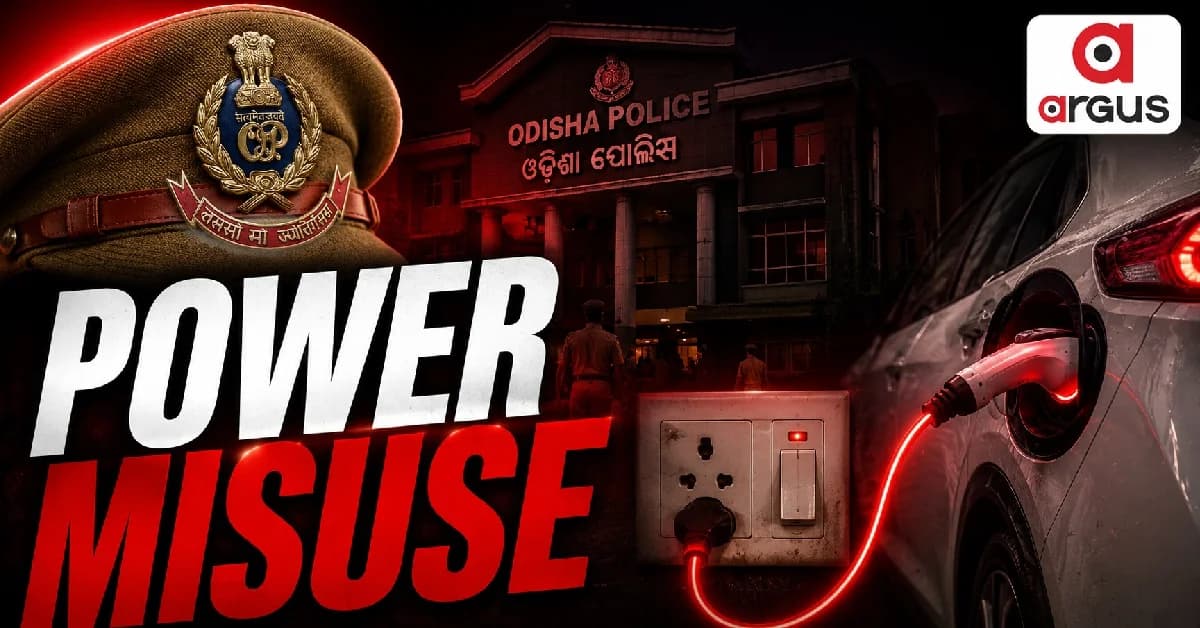
Odisha Police issued strict instructions prohibiting the charging of private electric vehicles using office electricity and banning unauthorised power connections from office buildings to residential quarters and barracks.
Bhubaneswar, Aug 4: The Odisha Police on Tuesday issued strict instructions prohibiting the charging of private electric vehicles (EVs) using office electricity at police establishments and banning unauthorised power connections from office buildings to residential quarters or barracks.
The directive, issued to all police districts, ranges, institutions and battalions, warns that violations will invite departmental action.
Illegal Power Connections Under Scanner
According to the circular, it has come to the notice of the department that some police establishments have been providing unauthorised electricity connections from office buildings to residential quarters and barracks, which is a violation of existing rules.
Heads of all police establishments have been directed to immediately inspect their offices and disconnect any illegal power connections.
The directive, issued to all police districts, ranges, institutions and battalions, warns that violations will invite departmental action.
Illegal Power Connections Under Scanner
According to the circular, it has come to the notice of the department that some police establishments have been providing unauthorised electricity connections from office buildings to residential quarters and barracks, which is a violation of existing rules.
Heads of all police establishments have been directed to immediately inspect their offices and disconnect any illegal power connections.

📱 Get Argus News App
✨📰 60 Word News🎬 Argus Podcast📺 Live TV and Breaking News🔔 Free Notification Alerts
Download Free:
No Personal EV Charging Using Office Electricity
The order also prohibits police personnel from charging their private electric vehicles using office electricity.
The department noted that such practices impose an unnecessary financial burden on the government and amount to misuse of public resources.
Also Read: Odisha Govt Directs Schools To Follow New Protocol For 'Vande Mataram' And National Anthem
Use Of Electric Heaters In Barracks Raises Safety Concerns
The circular further pointed out that electric heaters are being used for cooking inside police barracks, leading to excessive power consumption and posing serious fire and safety risks.
Officials have been instructed to ensure that such unauthorised use of electricity is stopped immediately.
Violators To Face Departmental Action
The Odisha Police made it clear that any unauthorised electricity connection or misuse of office power supply detected during inspections will be disconnected without delay.
The order also prohibits police personnel from charging their private electric vehicles using office electricity.
The department noted that such practices impose an unnecessary financial burden on the government and amount to misuse of public resources.
Also Read: Odisha Govt Directs Schools To Follow New Protocol For 'Vande Mataram' And National Anthem
Use Of Electric Heaters In Barracks Raises Safety Concerns
The circular further pointed out that electric heaters are being used for cooking inside police barracks, leading to excessive power consumption and posing serious fire and safety risks.
Officials have been instructed to ensure that such unauthorised use of electricity is stopped immediately.
Violators To Face Departmental Action
The Odisha Police made it clear that any unauthorised electricity connection or misuse of office power supply detected during inspections will be disconnected without delay.
The personnel found responsible will also face departmental action in accordance with the applicable service rules.
Related Topics
Explore more stories