



Road Transport / Odisha Extends Deadline till January 31 for Motorists to Update All Vehicle-Related Documents
·9 months ago·3 min read
Key Points
- Odisha defers enforcement of "no fuel without PUC certificate" rule from January 1 to February 1, 2026.
- Transport Minister cites public difficulty in completing documentation as reason for extension.
- Long queues seen at traffic stations as owners rush to clear pending challans and obtain certificates.
Bhubaneswar, Dec 24: Vehicle owners in Odisha have received major relief after the state government extended the deadline for enforcement of the “no fuel without valid documents” rule to February 1, giving motorists one more month to regularise their papers.
The decision was announced by Commerce and Transport Minister Bibhuti Bhushan Jena, who said the extension was granted after reviewing difficulties faced by the public in completing documentation. The rule was earlier scheduled to come into force from January 1, 2026.
The minister said vehicle owners must utilise the extended period to complete all mandatory formalities, including registration certificate (RC), fitness certificate, Pollution Under Control (PUC) certificate and insurance. From February 1, 2026, onwards, petrol and diesel will not be supplied to vehicles lacking a valid PUC certificate, officials said.
The government’s decision has been welcomed by motorists, though many have demanded an increase in the number of authorised pollution testing centres to avoid last-minute congestion.
The decision was announced by Commerce and Transport Minister Bibhuti Bhushan Jena, who said the extension was granted after reviewing difficulties faced by the public in completing documentation. The rule was earlier scheduled to come into force from January 1, 2026.
The minister said vehicle owners must utilise the extended period to complete all mandatory formalities, including registration certificate (RC), fitness certificate, Pollution Under Control (PUC) certificate and insurance. From February 1, 2026, onwards, petrol and diesel will not be supplied to vehicles lacking a valid PUC certificate, officials said.
The government’s decision has been welcomed by motorists, though many have demanded an increase in the number of authorised pollution testing centres to avoid last-minute congestion.

📱 Get Argus News App
✨📰 60 Word News🎬 Argus Podcast📺 Live TV and Breaking News🔔 Free Notification Alerts
Download Free:
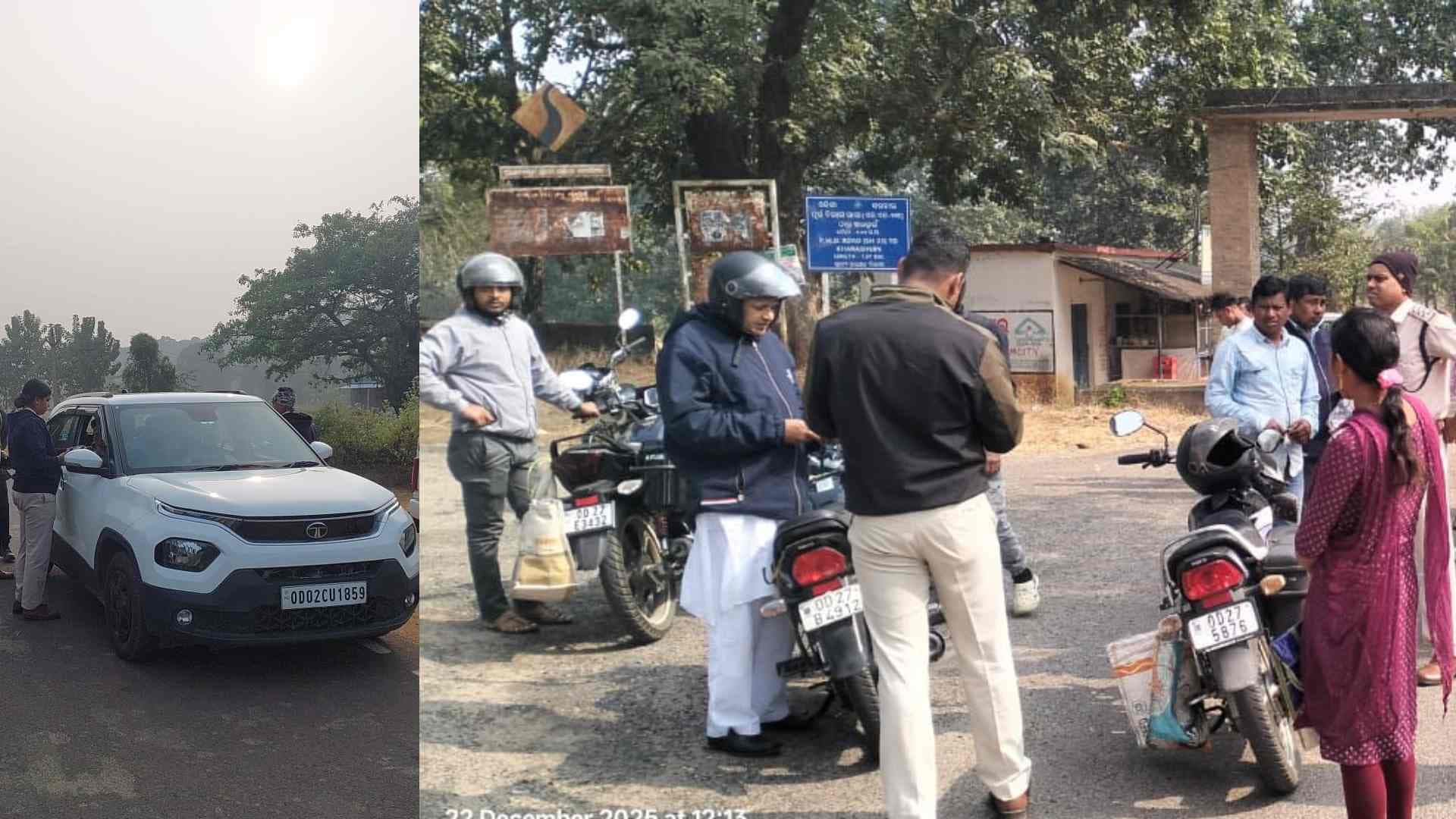
Meanwhile, long queues were seen at Traffic police station in Bhubaneswar as vehicle owners rushed to clear long-pending challans ahead of pollution testing. Officials said many motorists who had avoided paying fines for months are now clearing dues after realising that pending challans could affect issuance of PUC certificates.
Traffic police appealed to the public not to crowd the police station unnecessarily and advised motorists to pay e-challans online through Parivahan.gov.in, vcourts.gov.in.
Clarifying confusion over pending challans, the Transport Department said restrictions on pollution testing apply only if an e-challan remains unpaid for more than 90 days, in line with Rule 167 of the Central Motor Vehicle Rules. Vehicles with challans pending for less than 90 days will not face any restriction in obtaining a PUC certificate.
Officials also said rebates are being offered under the One Time Settlement (OTS) scheme for pending challans till July 31, 2025, and payments can be made online through the Parivahan portal.
Motorists have been advised to get pollution tests conducted only at authorised centres listed on the Parivahan website, verify certificate validity through the mParivahan app, and ensure that valid pollution stickers are affixed on vehicles. Citizens were also urged to update their mobile numbers in vehicle records via the Vahan portal to receive timely alerts.
The Transport Department appealed for public cooperation in ensuring environmental protection and road safety. A 24-hour toll-free helpline, 1800-345-1073, is available for assistance.
Traffic police appealed to the public not to crowd the police station unnecessarily and advised motorists to pay e-challans online through Parivahan.gov.in, vcourts.gov.in.
Clarifying confusion over pending challans, the Transport Department said restrictions on pollution testing apply only if an e-challan remains unpaid for more than 90 days, in line with Rule 167 of the Central Motor Vehicle Rules. Vehicles with challans pending for less than 90 days will not face any restriction in obtaining a PUC certificate.
Officials also said rebates are being offered under the One Time Settlement (OTS) scheme for pending challans till July 31, 2025, and payments can be made online through the Parivahan portal.
Motorists have been advised to get pollution tests conducted only at authorised centres listed on the Parivahan website, verify certificate validity through the mParivahan app, and ensure that valid pollution stickers are affixed on vehicles. Citizens were also urged to update their mobile numbers in vehicle records via the Vahan portal to receive timely alerts.
The Transport Department appealed for public cooperation in ensuring environmental protection and road safety. A 24-hour toll-free helpline, 1800-345-1073, is available for assistance.
Earlier, on December 20, the State Transport Authority had directed oil marketing companies to stop supplying fuel to vehicles without a valid PUC certificate from January 1, 2026, citing provisions of the Motor Vehicles Act and Central Motor Vehicle Rules. The enforcement date has now been deferred to February 1.
Why Vehicle Insurance is Mandatory
Motor insurance is a legal requirement under the Motor Vehicles Act to protect vehicle owners from financial liability arising out of accidents.
Types of Insurance
Third-party insurance, which covers damage or injury caused to another person or property, is mandatory for all vehicles.
First-party insurance covers damage to the owner’s vehicle due to accidents, theft or natural calamities, while comprehensive insurance combines both first-party and third-party coverage, offering wider financial protection.
Also Read: PUC Enforcement Deadline Extended by Odisha STA, You Must Know These Rules Before Going for Test
Authorities said maintaining valid insurance not only ensures legal compliance but also safeguards vehicle owners against unexpected expenses arising from accidents or damages.
Why Vehicle Insurance is Mandatory
Motor insurance is a legal requirement under the Motor Vehicles Act to protect vehicle owners from financial liability arising out of accidents.
Types of Insurance
Third-party insurance, which covers damage or injury caused to another person or property, is mandatory for all vehicles.
First-party insurance covers damage to the owner’s vehicle due to accidents, theft or natural calamities, while comprehensive insurance combines both first-party and third-party coverage, offering wider financial protection.
Also Read: PUC Enforcement Deadline Extended by Odisha STA, You Must Know These Rules Before Going for Test
Authorities said maintaining valid insurance not only ensures legal compliance but also safeguards vehicle owners against unexpected expenses arising from accidents or damages.
Related Topics
Explore more stories