



Viksit Odisha / Odisha Conducts Specialised Training For Engineers On Safer Road Design
Key Points
- Odisha organises 3-day training for engineers on safer road design.
- IIT Madras demonstrates Integrated Road Safety Dashboard.
- Field visits and audits conducted to identify safety gaps.
- Initiative aligns with Viksit Odisha 2036 vision.
Bhubaneswar, Jan 21: In the run-up to National Road Safety Month 2026, the Commerce & Transport Department of Odisha organised a three-day specialised training programme on the Design Thinking Approach for Safer Roads, officials said on Wednesday.
The programme, held in collaboration with RBG Labs, IIT Madras, brought together nearly 50 engineers from the National Highways Authority of India (NHAI) and the Public Works Department (PW&D).

📱 Get Argus News App
✨Focus on design thinking
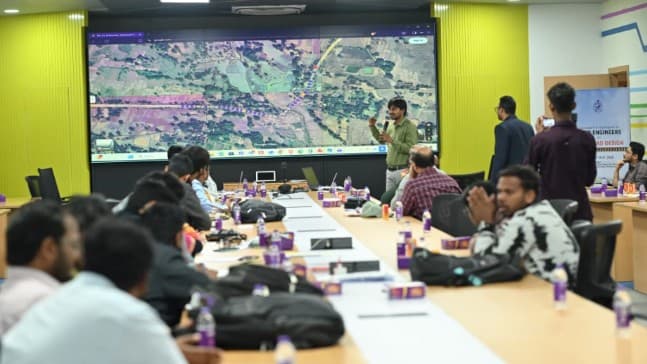
The training aimed to strengthen engineering capacity by integrating design thinking principles, global safety practices, and data-driven approaches into road infrastructure planning. Using a hands-on methodology, participants engaged in field visits to identify safety gaps and propose context-specific solutions.
On the opening day, Venkatesh Balasubramanian, Head of RBG Labs, IIT Madras, led sessions on accident trends and the role of design thinking in safer road design. Engineers examined critical safety challenges and explored innovative approaches to reduce risks.
Technology and audits
Day Two featured a live demonstration of the Integrated Road Safety Dashboard developed by IIT Madras. The tool showcased how location intelligence can be used to prioritise and plan interventions. Participants also conducted virtual and on-site safety audits using satellite imagery and field data. Rabindra Jena, MVI, RTO-2 Bhubaneswar, interacted with engineers on traffic signage, calming measures, and resolution of pending iRAD cases.
Practical solutions
On the final day, engineers presented field-based analyses and preliminary proposals for safety interventions. Sessions focused on low-cost measures, enforcement strategies, and the importance of education, emergency response, and driver behaviour in reducing crashes. Discussions also covered key provisions of the Motor Vehicles Act and Central Motor Vehicle Rules (CMVR).
The programme concluded with an evaluation of learning outcomes, with participants offering positive feedback and practical insights. Officials said the initiative represents a significant step towards improving road safety in Odisha, reinforcing the State’s commitment to safer design, data-driven planning, and coordinated action across agencies.
This effort, they added, aligns with the broader vision of Viksit Odisha 2036, where safer and smarter road infrastructure will play a pivotal role in sustainable development.
Related Topics
Explore more stories