



Odisha CM Orders Crackdown on Fertiliser Mismanagement
Key Points
CM Majhi orders strict monitoring of fertiliser supply via PACS and LAMPCS.
Over 9.85 lakh metric tonnes of fertiliser already sold across Odisha.
Bhubaneswar, Sep 11: In response to growing concerns over fertiliser shortages and black marketing in Odisha, Chief Minister Mohan Charan Majhi on Thursday issued strict directives to district collectors and agricultural officials to ensure transparent and efficient distribution of fertilisers to farmers across the state.
The move comes amid the ongoing Kharif season, where timely access to fertilisers is critical for crop productivity.

📱 Get Argus News App
✨Vigilance on Distribution Channels
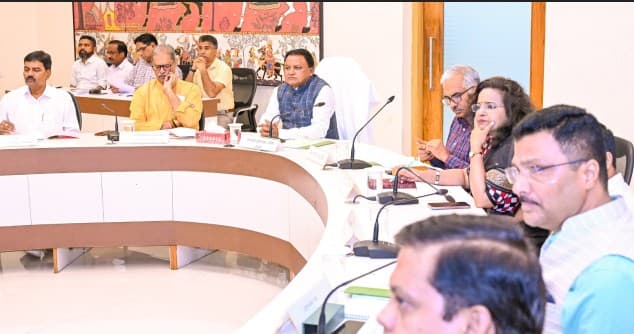
During a high-level review meeting in Bhubaneswar, CM Majhi instructed officials to monitor the supply chain through Primary Agricultural Credit Societies (PACS) and Large-Sized Adivasi Multipurpose Cooperative Societies (LAMPCS). He emphasized swift action against black marketing, hoarding, and distribution of counterfeit fertilisers.
Recovered fertiliser from enforcement raids is to be redirected to PACS and LAMPCS for immediate distribution to farmers, ensuring that essential inputs reach the grassroots without delay.
Also Read: Fertilizer Black Marketing Sparks Farmer Protests Across Odisha
Stock Status and Allocation
According to the Chief Minister’s Office, Odisha currently faces no fertiliser scarcity. Of the 11.66 lakh metric tonnes available, nearly 9.85 lakh metric tonnes have already been sold. The central government has allocated 9.55 lakh metric tonnes for the state until September 30.
CM Majhi directed the agriculture department to assess district-level needs and distribute fertilisers of appropriate grades accordingly. MARKFED-Odisha has also been tasked with accelerating the supply chain.
Focus on Agricultural Reforms
Majhi reiterated the state’s commitment to crop diversification and the Integrated Farming System. Through the 'Samrudha Krushak Yojana', Odisha aims to boost productivity, especially in oilseeds and pulses. Special attention is being given to flood-affected regions, with damage assessments and farmer support underway.