



Student Politics / Odisha Campuses Vote Today in Student Union Elections
Key Points
Odisha’s Students’ Union elections begin in 346 colleges and 13 universities; voting till 2 PM, counting thereafter, with heavy security and 866 candidates vying for president’s post.
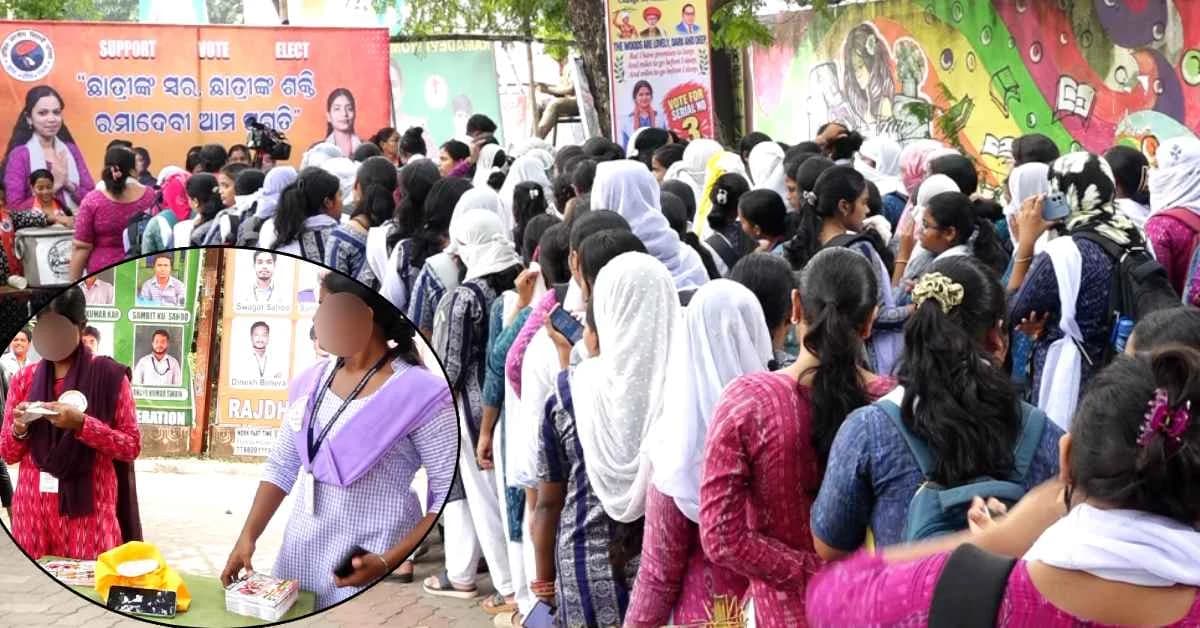
Bhubaneswar, Oct 15: The long‑awaited Students’ Union elections have finally commenced across Odisha, marking a significant day for campus democracy. Voting began at 8 AM in 346 colleges and 13 universities, with polling scheduled to continue until 2 PM.
Immediately after, counting will start, and results are expected by evening. Ballot papers and boxes have been readied, and victorious candidates will take oath October 16.
The atmosphere in campuses is charged with enthusiasm as students line up to cast their votes. For the coveted president’s post alone, 866 candidates are in the fray, reflecting the scale and intensity of the contest.
Also read: Violence Mars Utkal University Student Union Elections Campaign

📱 Get Argus News App
✨Authorities have ensured strict adherence to election protocols, with posters and banners removed from campuses and hostels vacated to prevent disturbances.
Security has been given top priority. At Utkal University, police presence is particularly strong, with senior officials including the Commissioner and DCP personally supervising arrangements.
Across the state, police camps have been set up, and forces deployed to sensitive campuses. The administration has emphasized peaceful and disciplined polling, with students eager to elect their representatives.
On Wednesday, Director General of Police Vinaytosh Mishra chaired a high‑level review meeting at the state headquarters. Through video conferencing, SPs and range IGs/DIGs were instructed to adopt preventive measures rather than reactive steps.
Mishra stressed the importance of maintaining constant
communication with college authorities, deploying adequate forces at sensitive
locations, and intervening swiftly in case of unrest. The directive underlined
that no violence should mar the elections or their aftermath.
Related Topics
Explore more stories