



No parking space, no vehicle! Odisha draft policy brings big change
Key Points
Odisha’s draft Urban Parking Policy 2026 proposes mandatory parking proof for vehicle registration, higher parking fees, digital parking systems and strict penalties to reduce congestion and illegal parking.
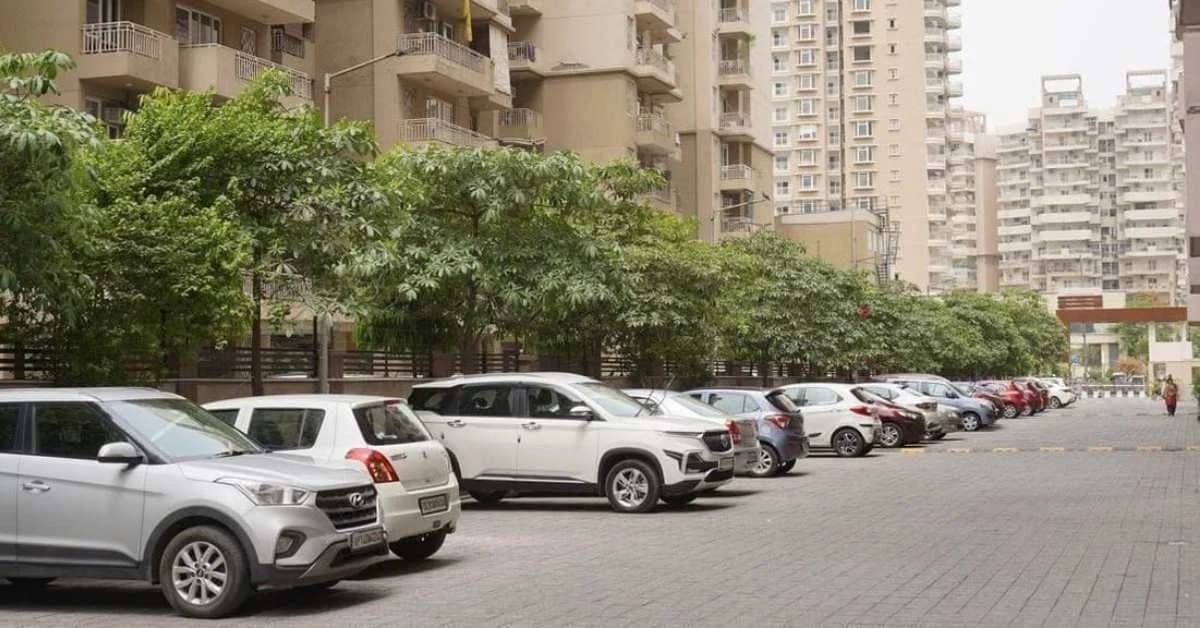
Bhubaneswar, Nov 18: In a major move aimed at tackling traffic congestion and illegal parking in urban areas, the Odisha government has unveiled the draft Odisha Urban Parking Policy 2026, proposing several stringent measures to regulate vehicle parking and improve urban mobility.
One of the most notable provisions is a requirement for vehicle owners to prove they have access to a designated parking space before registering a new private vehicle.
Issued by the Housing and Urban Development Department, the draft policy seeks to address the growing mismatch between the rapidly increasing number of vehicles and the limited parking infrastructure in cities across the state.
Also read: Medical emergency turns tragic as truck rams car in Bhubaneswar

📱 Get Argus News App
✨According to government data, the number of registered motor vehicles in Odisha increased from 91.3 lakh in 2017-18 to over 1.5 crore in 2023-24, reflecting a rise of more than 65 per cent.
The government believes stricter parking regulations are necessary to prevent worsening traffic bottlenecks and roadside encroachments.
The proposed policy introduces a Residential Parking Permit (RPP) system for densely populated residential localities. Under this framework, the number of parking permits issued to households and establishments could be restricted, with users required to pay a prescribed fee.
Parking on residential roads narrower than 12 metres has also been proposed to be completely prohibited.
Commercial hubs and Central Business Districts (CBDs) will face higher parking charges under the new framework. Authorities are also considering time-bound parking limits and additional congestion fees during peak traffic hours to discourage long-term roadside parking in busy areas.
To modernise parking management, the policy promotes digital solutions such as mobile applications providing real-time information on available parking slots, online reservation facilities, and cashless payment systems.
Revenue generated through parking fees is proposed to be reinvested in urban infrastructure projects, including footpaths, cycling tracks, EV charging stations, and public transport services.
The draft policy also recommends strict enforcement
measures. Vehicle owners found violating parking regulations could face heavy
penalties, vehicle towing and, in cases of repeated offences, even cancellation
of driving licences.
Related Topics
Explore more stories