



Nandankanan Zoo Celebrates Tiger Day, Focuses On Melanistic Breeding
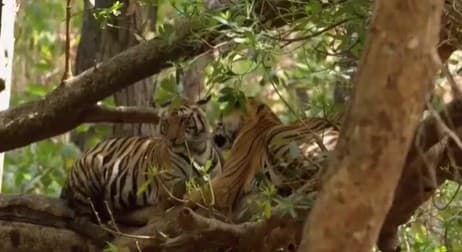
Key Points
Nandankanan houses 29 tigers, including 4 melanistic variants.
Special breeding efforts underway to expand rare tiger population.
Bhubaneswar, July 29: On the occasion of International Tiger Day today, Nandankanan Zoological Park here in Odisha hosted a series of awareness and conservation programs, highlighting the growing concern over tiger population and species diversity, officials said.
The theme for this year’s observance was “Save Tigers”, reinforcing the urgency of protecting India’s national animal.

📱 Get Argus News App
✨Since 2016, Nandankanan has been commemorating this global day with educational and conservation-focused events. Currently, the zoo houses 29 tigers, including 19 standard-colored, 6 white, and 4 melanistic tigers—a rare variant known for its dark pigmentation.
Officials have placed special emphasis on breeding melanistic tigers, aiming to expand their population through strategic exchange programs with nearby zoos.
Dr. Rudra Prasad Rath, Assistant Conservator of Forests, stated, “Efforts are underway to enhance tiger breeding, especially for melanistic variants, through inter-zoo collaborations.”
The day’s events included quiz competitions, signature campaigns, and videography contests involving school students. Dramatic presentations and expert talks shed light on tiger conservation and genetic diversity. Forest officials also honored frontline tiger protectors for their dedication.
Prem Jha, PCCF, emphasized the importance of community engagement in tiger protection, noting that such initiatives foster long-term conservation awareness.
Notably, India currently hosts around 3,700 wild tigers, making it a global leader in tiger conservation. Nandankanan’s proactive measures reflect the state’s commitment to preserving this iconic species and its unique genetic variants.
Meanwhile, amid rising concerns over bird flu outbreaks in the state, Nandankanan has implemented heightened safety protocols to protect its animal inhabitants.
Read More Odisha News