



Wildlife / Melanistic Leopard Population Rises In Odisha’s Nayagarh
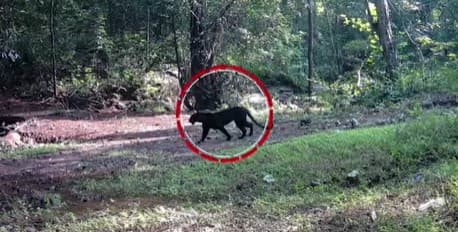
Key Points
- Black leopard population rises from two to six.
- Sightings reported in Daspalla and Gania ranges.
- Forest Department installs trap cameras for monitoring.
- Conservationists hail rare wildlife growth in Odisha.
Nayagarh, Jan 31: In a rare and remarkable development, the
population of melanistic leopards in Odisha’s Nayagarh district has increased
from two to six, Forest officials said on Saturday.
These elusive big cats, often referred to as “black leopards” due to their
distinctive dark coat, have been sighted in the Daspalla and Gania forest
ranges, according to recent reports from the Forest Department.
To monitor their movements and ensure safety, the Forest
Department has installed trap cameras across the ranges. Officials said the
rise in melanistic leopard numbers is a positive indicator of improved habitat
conditions and effective conservation measures. The presence of these rare
animals has also heightened concerns about potential human-animal conflict in
villages bordering the forests.
Also Read: Sundargarh Villagers Live in Fear as Elephant Herd Repeatedly Raids Habitations at Night

📱 Get Argus News App
✨Forest guards have intensified patrolling, while local communities have been urged to remain cautious. Wildlife experts believe the growth in melanistic leopard population could enhance eco-tourism prospects in Nayagarh, provided conservation efforts are sustained, and prey base is protected.
Conservationists have welcomed the development, calling it a milestone for Odisha’s wildlife heritage. They stress, however, that continued vigilance and scientific monitoring are essential to ensure the long-term survival of these rare and majestic creatures.
Related Topics
Explore more stories