



Mahanadi River Dispute / Mahanadi Water Dispute: How Odisha, Chhattisgarh Reach “Historic” Data consensus – The Inside Story
·5 months ago·4 min read
Key Points
After years of conflicting claims, the joint submission to the Tribunal yesterday marks a "Hydrological Truce." Here is what the technical commission recommendations and high-level negotiations have likely finalized:
Bhubaneswar: The quiet flow of meandering Mahanadi that broke open the floodgates of revolt since a decade in Odisha over neighbouring Chhattisgarh on the stream flow drying up in Hirakud, seems heading for a hydrological truce between the two warring states.
Odisha’s Avocate General Pitambar Acharya announced the big development on May 2 hailing it as a “historic”.
For ten years, both states fought over how much water was in the river. Saturday, they finally agreed on the numbers.
In the above context, the “historic” move that could permanently alter Odisha’s water future after both states officially ending their "data war" Saturday, here is the inside story on the truce fine print.
It needs mentioning here that under a final ultimatum from Justice Bela M. Trivedi, as the tenure of the Tribunal is ending on January 13, 2027, both states submitted a jointly signed technical report that provides a unified mathematical foundation for the river's future.
Odisha’s Avocate General Pitambar Acharya announced the big development on May 2 hailing it as a “historic”.
For ten years, both states fought over how much water was in the river. Saturday, they finally agreed on the numbers.
In the above context, the “historic” move that could permanently alter Odisha’s water future after both states officially ending their "data war" Saturday, here is the inside story on the truce fine print.
It needs mentioning here that under a final ultimatum from Justice Bela M. Trivedi, as the tenure of the Tribunal is ending on January 13, 2027, both states submitted a jointly signed technical report that provides a unified mathematical foundation for the river's future.

📱 Get Argus News App
✨📰 60 Word News🎬 Argus Podcast📺 Live TV and Breaking News🔔 Free Notification Alerts
Download Free:
The Exclusive Technical Highlights:
The 39-Year Baseline: For the first time, both states have agreed to a shared data series from 1980-81 to 2018-19. This eliminates the primary legal hurdle where both sides used different "facts" to argue their case.
Yield Convergence: The report confirms a settled "Yield Figure" (total water volume) at Hirakud and Naraj. This is the first time Chhattisgarh has formally acknowledged the specific inflow requirements at Odisha’s delta head.
The ‘Proportional' Shift: Sources suggest the report moves away from a fixed-volume demand toward a proportional sharing modality. This means in "lean years," both states will bear the shortage equally, a significant departure from Chhattisgarh’s previous stance of "upstream priority."
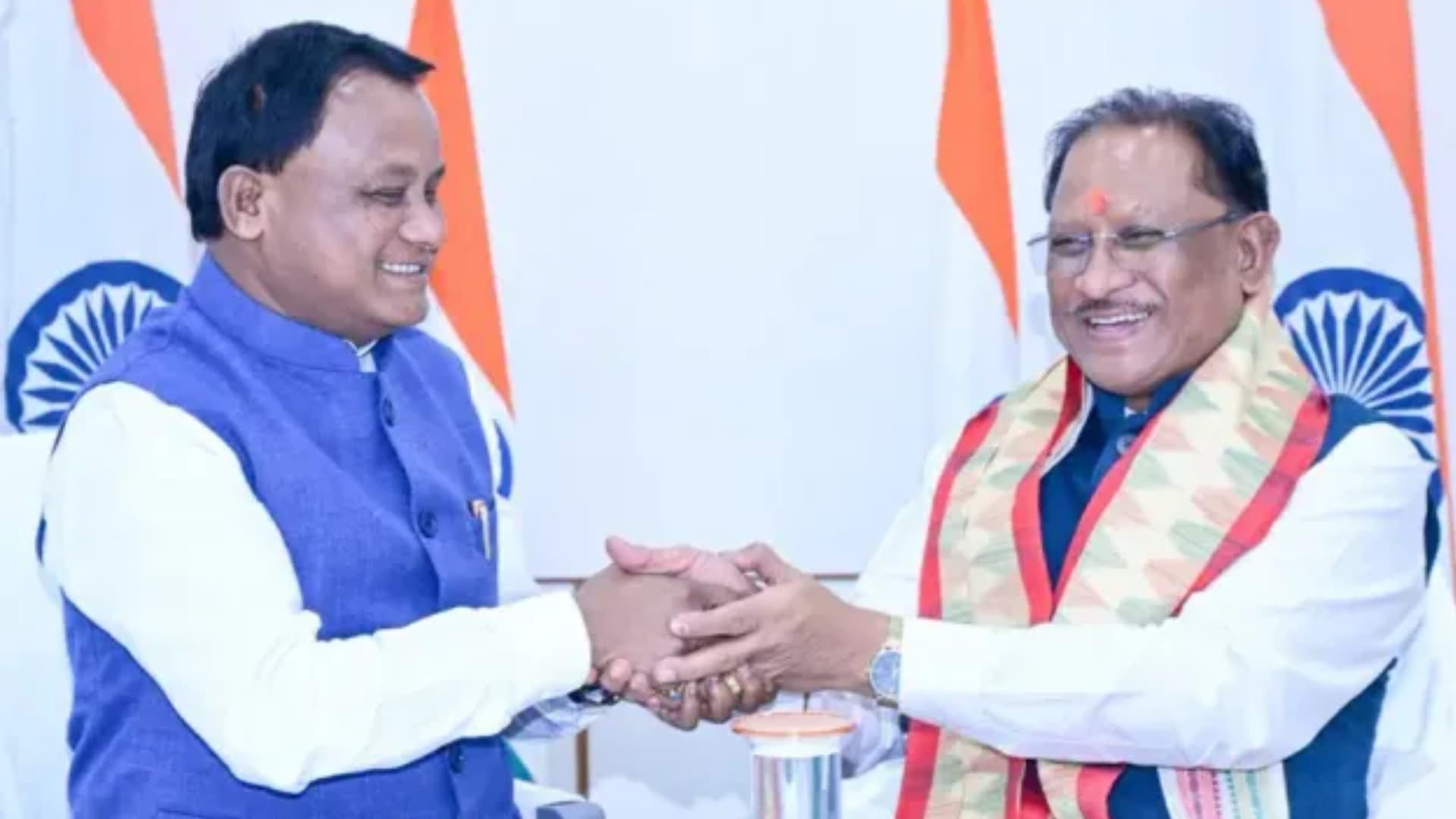
The 'Double Engine' Influence: The technical committees, which met 13 times over the last year, reportedly found a "political green light" from Odisha CM Mohan Charan Majhi and his counterpart Chhatisgarh CM Vishnu Deo Sai to reach a middle ground that was previously blocked by political friction.
After years of conflicting claims, the joint submission to the Tribunal yesterday marks a "Hydrological Truce." Here is what the technical commission recommendations and high-level negotiations have likely finalized:
The 39-Year Baseline: For the first time, both states have agreed to a shared data series from 1980-81 to 2018-19. This eliminates the primary legal hurdle where both sides used different "facts" to argue their case.
Yield Convergence: The report confirms a settled "Yield Figure" (total water volume) at Hirakud and Naraj. This is the first time Chhattisgarh has formally acknowledged the specific inflow requirements at Odisha’s delta head.
The ‘Proportional' Shift: Sources suggest the report moves away from a fixed-volume demand toward a proportional sharing modality. This means in "lean years," both states will bear the shortage equally, a significant departure from Chhattisgarh’s previous stance of "upstream priority."
The 'Double Engine' Influence: The technical committees, which met 13 times over the last year, reportedly found a "political green light" from Odisha CM Mohan Charan Majhi and his counterpart Chhatisgarh CM Vishnu Deo Sai to reach a middle ground that was previously blocked by political friction.
After years of conflicting claims, the joint submission to the Tribunal yesterday marks a "Hydrological Truce." Here is what the technical commission recommendations and high-level negotiations have likely finalized:
OUTCOMES IN DETAIL
1. The ‘Unified Baseline’ (1980–2019)
The most critical technical achievement is the reconciliation of data.
The Agreement: Both states have agreed to a single, finalized data series spanning from 1980-81 to 2018-19.
Why it matters: Previously, Odisha (downstream) and Chhattisgarh (upstream) used different datasets to argue their cases. By agreeing on a "Unified Baseline," they have removed 90% of the legal friction, allowing the Tribunal to focus on sharing ratios rather than debating if water exists.
2. Converged Yield Assessment at Hirakud & Naraj
The technical committees have reached a consensus on the water yield (the total amount of water produced by the basin) at key geographic points:
Hirakud Dam: The primary reservoir for Odisha.
Naraj: The critical delta head where the river bifurcates.
Likely Outcome: The agreement likely specifies a Minimum Guaranteed Inflow for Odisha during the lean season (non-monsoon), ensuring Hirakud does not hit "dead storage" levels due to upstream barrage closures.
3. The 'Surplus-Shortage' Sharing Modality
The negotiations have moved toward a "Proportional Sharing" model:
The Formula: Instead of a fixed volume, the states have likely agreed to share the river's water based on a percentage of the actual flow in a given year.
Surplus Years: Both states can store and utilize more water during high-monsoon years.
Shortage Years: Both states will face proportional cuts, ensuring that upstream utilization in Chhattisgarh does not disproportionately starve downstream irrigation in Odisha.
4. Non-Monsoonal Optimization & Environmental Flow
The technical commission has emphasized "optimizing water flow" during the dry months (November to May).
The Agreement: A release schedule from Chhattisgarh’s major upstream barrages (like Kalma) to maintain the Ecological Flow of the river.
This is vital to prevent salinity ingress in the Mahanadi Delta, a major concern for the drinking water and agriculture of coastal Odisha.
Next Big Date: May 30, 2026. This is when the Tribunal will officially review the joint technical submission and likely move to formalize the inter-state agreement.
Also Read: Odisha, Chhattisgarh Move Closer to Mahanadi Water-Sharing Deal
1. The ‘Unified Baseline’ (1980–2019)
The most critical technical achievement is the reconciliation of data.
The Agreement: Both states have agreed to a single, finalized data series spanning from 1980-81 to 2018-19.
Why it matters: Previously, Odisha (downstream) and Chhattisgarh (upstream) used different datasets to argue their cases. By agreeing on a "Unified Baseline," they have removed 90% of the legal friction, allowing the Tribunal to focus on sharing ratios rather than debating if water exists.
2. Converged Yield Assessment at Hirakud & Naraj
The technical committees have reached a consensus on the water yield (the total amount of water produced by the basin) at key geographic points:
Hirakud Dam: The primary reservoir for Odisha.
Naraj: The critical delta head where the river bifurcates.
Likely Outcome: The agreement likely specifies a Minimum Guaranteed Inflow for Odisha during the lean season (non-monsoon), ensuring Hirakud does not hit "dead storage" levels due to upstream barrage closures.
3. The 'Surplus-Shortage' Sharing Modality
The negotiations have moved toward a "Proportional Sharing" model:
The Formula: Instead of a fixed volume, the states have likely agreed to share the river's water based on a percentage of the actual flow in a given year.
Surplus Years: Both states can store and utilize more water during high-monsoon years.
Shortage Years: Both states will face proportional cuts, ensuring that upstream utilization in Chhattisgarh does not disproportionately starve downstream irrigation in Odisha.
4. Non-Monsoonal Optimization & Environmental Flow
The technical commission has emphasized "optimizing water flow" during the dry months (November to May).
The Agreement: A release schedule from Chhattisgarh’s major upstream barrages (like Kalma) to maintain the Ecological Flow of the river.
This is vital to prevent salinity ingress in the Mahanadi Delta, a major concern for the drinking water and agriculture of coastal Odisha.
Next Big Date: May 30, 2026. This is when the Tribunal will officially review the joint technical submission and likely move to formalize the inter-state agreement.
Also Read: Odisha, Chhattisgarh Move Closer to Mahanadi Water-Sharing Deal
Related Topics
Explore more stories