



Wildlife Protection / Leech Threat Alarms Puri Wildlife Sanctuary
Key Points
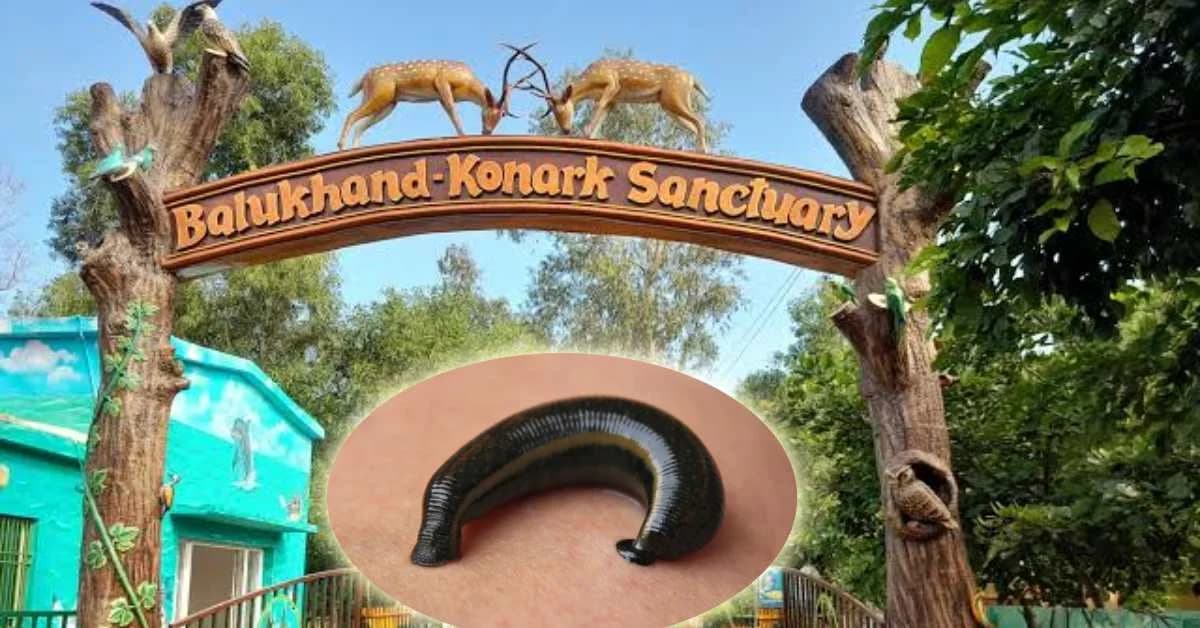
Leech infestations in Puri’s Balukhanda Sanctuary raise alarm after deer death, with environmentalists blaming stagnant water and waste, while officials await post‑mortem to confirm cause amid rising wildlife casualties.
Puri, Sep 10: Concerns are mounting over the ecological balance of Puri’s Balukhanda Wildlife Sanctuary, where leech infestations are reportedly threatening deer and other wild animals.
Environmentalists have sounded the alarm after allegations that a spotted deer recently died due to severe leech attacks.
Experts claim stagnant rainwater and untreated waste inside the sanctuary have created conditions conducive to leech proliferation and other harmful parasites.
Also read: Five Rescued Orangutans Shifted to Nandankanan Zoo Amid Trafficking Probe

📱 Get Argus News App
✨They argue that poor waste management and waterlogging are disturbing the sanctuary’s natural balance, posing risks not only to wildlife but also to nearby human settlements.
According to official records, in the past four years, 37 deer and six blackbucks have died in Puri’s Balukhanda and Chilika sanctuaries due to various causes. The recent incident has intensified fears that leeches may now be a direct threat to wildlife survival.
Environmentalists allege that picnic activities and improper disposal of waste have worsened the situation, contaminating water bodies and creating unhealthy conditions for animals.
They warn that deer often wander into nearby villages in search of food, exposing both residents and wildlife to the spread of parasites.
District wildlife officials, however, maintain that waterlogging and leech presence are natural phenomena. “Leeches and stagnant water are natural occurrences. The actual cause of the deer’s death will be confirmed only after the post‑mortem report,” said the District Wildlife Officer.
Still, conservationists insist that urgent measures are
needed to restore ecological balance. They emphasize that unchecked waste
accumulation and parasite growth could lead to further wildlife casualties and
long‑term
damage to the sanctuary’s biodiversity.