



Odisha Politics / Kalikesh in, Arvind Out: Naveen Patnaik’s Last Gamble To Reclaim The BJD
Key Points
- BJD faces turbulence after 2024 Assembly defeat and Nuapada by-election loss.
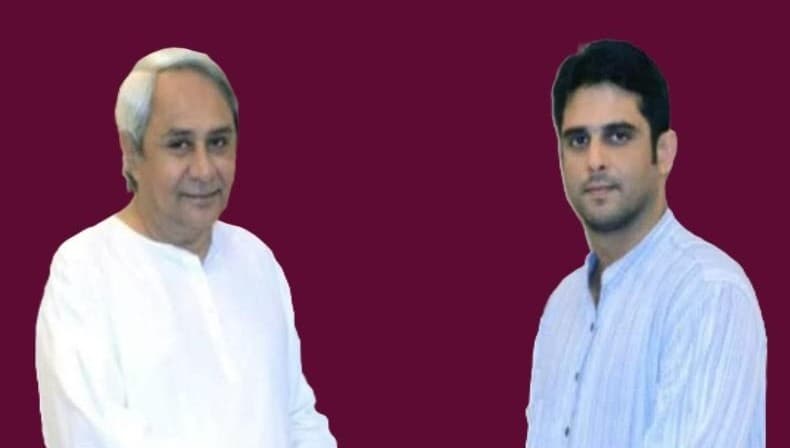
- Naveen Patnaik re-engages with Ananga Uday Singh Deo and elevates Kalikesh Singh Deo.
- Suspension of Arvind Mohapatra signals sentiment giving way to political utility.
- Move seen as an attempt to stabilise a fractured party and reclaim organisational control.
Bhubaneswar, Feb 2: By all indications, Naveen Patnaik is no longer in the comfort zone that defined his politics for over two decades. Inside Odisha’s political corridors, the Biju Janata Dal (BJD) chief is said to be “testing the waters”—a political exercise aimed at gauging damage, resistance, and survival options before making a decisive organisational move. This is not routine tinkering. It is political triage.
The BJD’s post-2024 trajectory has been unsettling. The
Assembly election defeat, followed by the loss of the Nuapada by-election, has
punctured the party’s aura of invincibility. Desertions to the BJP have become
frequent, internal discipline has collapsed, and senior leaders speak without
restraint. Most tellingly, figures once seen as all-powerful—particularly V.K.
Pandian—no longer command unquestioned loyalty within the party or resonance
among voters.
It is against this backdrop that Naveen Patnaik’s renewed
engagement with his old confidant and BJD founder-member Ananga Uday Singh Deo
must be read. His subsequent meeting with Ananga’s son, Balangir MLA Kalikesh
Singh Deo, has set off intense speculation. The message is unmistakable: Naveen
is looking beyond the dominant coastal coterie to regain control of an
organisation that is drifting perilously close to factional chaos.
The coastal leadership, long accustomed to monopolising
organisational power, now appears restless and over-ambitious. Several
leaders—having run the party machinery in the past—harbour leadership dreams of
their own. In normal times, such ambition fuels growth. In a weakened party, it
breeds rivalry and decay. Naveen Patnaik seems acutely aware that unless a
neutral, acceptable authority figure is positioned soon, the BJD risks
imploding from within.

📱 Get Argus News App
✨
Kalikesh Singh Deo fits the political arithmetic. He brings
pedigree, acceptability, and a degree of detachment from the current power
tussles. As the grandson of former Chief Minister Rajendra Narayan Singh Deo,
his political lineage carries weight across regions. His elevation could also
help repair the BJD’s fraying base in western Odisha, where the party has
steadily lost ground.
The contrast with Arvind Mohapatra is stark. Naveen’s
decision to suspend Vijay Mohapatra’s son sent shockwaves through the party and
invited sharp criticism. If Kalikesh is now elevated, it would underline a cold
political reality: sentiment matters less than utility. In politics,
subtraction and addition are often executed simultaneously.
To be sure, Kalikesh lacks extensive state-level
organisational experience. But this may be precisely why he appeals to
Naveen—he is seen as less threatening, more manageable, and potentially
unifying. Equally important is the symbolic restoration of Ananga Uday Singh
Deo, once marginalised during the Pyarimohan–Pandian era.
What is unfolding, therefore, is not a simple leadership
reshuffle but Naveen Patnaik’s attempt to reclaim command over a party he once
ran effortlessly. Whether this calculated gamble stabilises the BJD or merely
delays its decline will determine not just the party’s future, but Naveen
Patnaik’s political legacy itself.
Related Topics
Explore more stories