



Odia Culture / Inside Bargarh Dhanu Yatra Where Even Chief Ministers Answer the Call of King Kansa
·10 months ago·7 min read
Key Points
- The 78th edition of Dhanu Yatra, the world’s largest open-air theatre, is underway in Bargarh, Odisha.
- The 11-day festival transforms the town into mythological Mathura, featuring grand sets and unscripted performances.
- Recognised by Guinness World Records, it celebrates the victory of good over evil with massive community participation.
Bargarh, Dec 29: In Odisha, the world’s largest open-air theatre comes alive every winter as Dhanu Yatra unfolds in Bargarh. Inaugurated on December 24, the eleven-day spectacle blends mythology, tradition and performance, turning the entire town into a living stage.
Recognised globally for its scale and participation, Dhanu Yatra is a dramatic re-enactment of episodes from the life of Lord Krishna, beginning with his birth and culminating in the death of his demon uncle, King Kansa. Unlike conventional theatre, the festival dissolves the boundary between actor and audience, turning the entire town into a dynamic storytelling canvas.
The 78th Edition in Full Swing
The 78th edition of Dhanu Yatra, which began on December 24, 2025, is currently underway in Bargarh and will continue till January 3, 2026. Since its inauguration, the eleven-day festival has transformed the town into the mythological land of Mathura, drawing thousands of visitors.
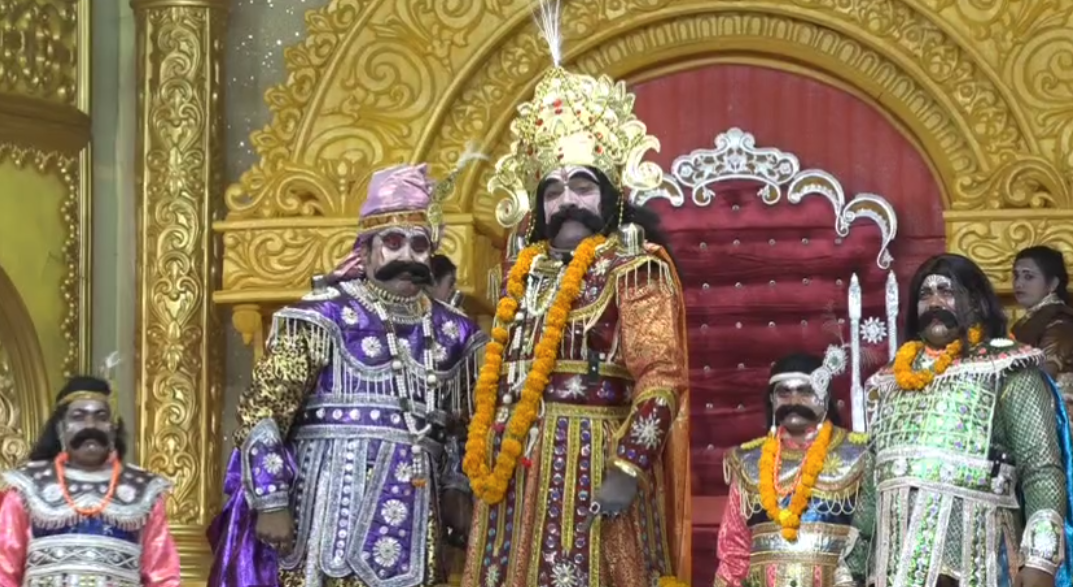
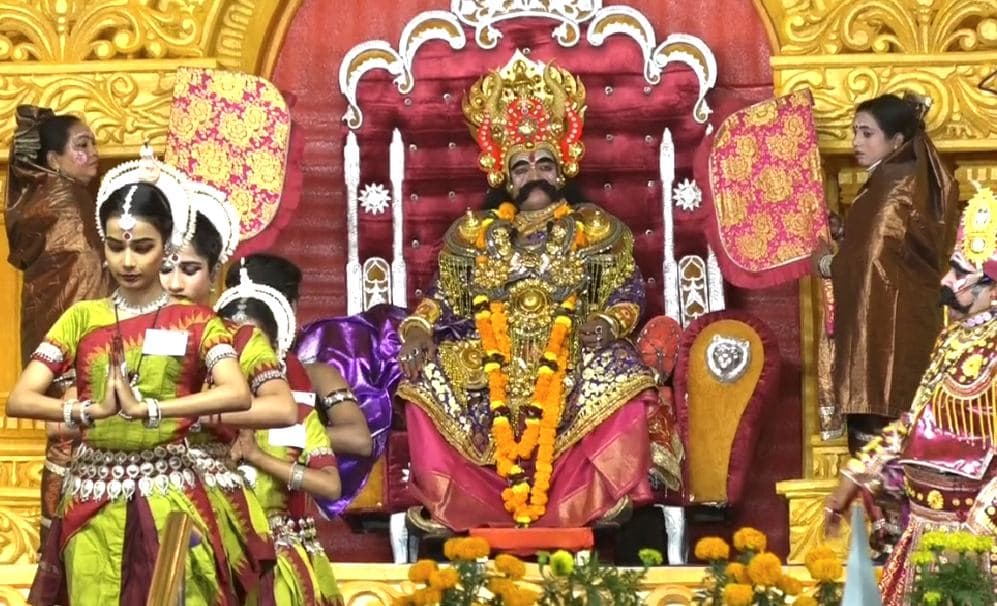
At Hatpada, the imposing Kansa Durbar, the festival’s main stage, dominates the landscape. Nearly 70 feet high and about 120 feet wide, the grand court has been crafted by 55 artisans, with special emphasis this year on recreating the aesthetics of the Dwapar era.
Recognised globally for its scale and participation, Dhanu Yatra is a dramatic re-enactment of episodes from the life of Lord Krishna, beginning with his birth and culminating in the death of his demon uncle, King Kansa. Unlike conventional theatre, the festival dissolves the boundary between actor and audience, turning the entire town into a dynamic storytelling canvas.
The 78th Edition in Full Swing
The 78th edition of Dhanu Yatra, which began on December 24, 2025, is currently underway in Bargarh and will continue till January 3, 2026. Since its inauguration, the eleven-day festival has transformed the town into the mythological land of Mathura, drawing thousands of visitors.
At Hatpada, the imposing Kansa Durbar, the festival’s main stage, dominates the landscape. Nearly 70 feet high and about 120 feet wide, the grand court has been crafted by 55 artisans, with special emphasis this year on recreating the aesthetics of the Dwapar era.

📱 Get Argus News App
✨📰 60 Word News🎬 Argus Podcast📺 Live TV and Breaking News🔔 Free Notification Alerts
Download Free:
The Ranga Mahal at the Lok Mahotsav ground has also emerged as a visual highlight. Built by around 60 artisans from Bhubaneswar, the structure features a Jaipur Palace-inspired design, adding architectural grandeur to the celebrations.
Performances are being staged across 14 locations spread over nearly seven kilometres, with the Kansa Darbar, Ranga Mahal and Nanda Darbar serving as the focal points of daily enactments. Space allocation for traders at the Meena Bazaar ground has been completed, while permanent torans at key entry points mark the town’s festive transformation.
Convenor of Bargarh Dhanuyatra Mahotsav Samiti, Sureshwar Satpathy, said efforts have focused on balancing tradition with visual appeal.
“Our effort has been to preserve the traditional essence of Dhanuyatra while enhancing the visual experience for visitors. All stakeholders -- artistes, craftsmen and local residents -- have come together to make this edition memorable,” he said.
A Festival Spread Across Seven Kilometres
Dhanu Yatra performances is staged across 14 locations spread over nearly seven kilometres, with the Kansa Darbar, Ranga Mahal and Nanda Darbar remaining the focal points of daily enactments.
Meaning, Origin and the Spirit of Dhanu Yatra
The term ‘Dhanu Yatra’ is derived from two words -- Dhanu (bow) and Yatra (journey or procession) -- literally translating to 'The Festival of the Bow'. It symbolises the role of Lord Krishna’s bow in the mythological narrative that culminates in the killing of Kansa, marking the victory of good over evil.
Performances are being staged across 14 locations spread over nearly seven kilometres, with the Kansa Darbar, Ranga Mahal and Nanda Darbar serving as the focal points of daily enactments. Space allocation for traders at the Meena Bazaar ground has been completed, while permanent torans at key entry points mark the town’s festive transformation.
Convenor of Bargarh Dhanuyatra Mahotsav Samiti, Sureshwar Satpathy, said efforts have focused on balancing tradition with visual appeal.
“Our effort has been to preserve the traditional essence of Dhanuyatra while enhancing the visual experience for visitors. All stakeholders -- artistes, craftsmen and local residents -- have come together to make this edition memorable,” he said.
A Festival Spread Across Seven Kilometres
Dhanu Yatra performances is staged across 14 locations spread over nearly seven kilometres, with the Kansa Darbar, Ranga Mahal and Nanda Darbar remaining the focal points of daily enactments.
Meaning, Origin and the Spirit of Dhanu Yatra
The term ‘Dhanu Yatra’ is derived from two words -- Dhanu (bow) and Yatra (journey or procession) -- literally translating to 'The Festival of the Bow'. It symbolises the role of Lord Krishna’s bow in the mythological narrative that culminates in the killing of Kansa, marking the victory of good over evil.
Dhanu Yatra has its roots in post-Independence India, widely believed to have originated in 1947–48 as part of celebrations marking freedom from British rule. The labour class of Bargarh, including agricultural workers and daily wage labourers, played a significant role in shaping the festival. According to local accounts, the festival reflected themes of freedom, liberation and resistance to oppression, values closely associated with the independence movement.
“As an agrarian society, our earlier generation thought of celebrating Dhanujatra during the auspicious agricultural occasion ‘Pushpuni’ as a mark of victory over British rule,” said Sureswar Satpathy.
The World’s Largest Open-Air Theatre
Dhanu Yatra holds a place in the Guinness World Records as the “Largest Open-Air Theater”, awarded for its sheer scale and participation. The festival transforms the entire town of Bargarh and usually lasts 10 to 11 days, with dramatic recreations of Krishna Leela and Mathura Vijaya forming the core narrative.
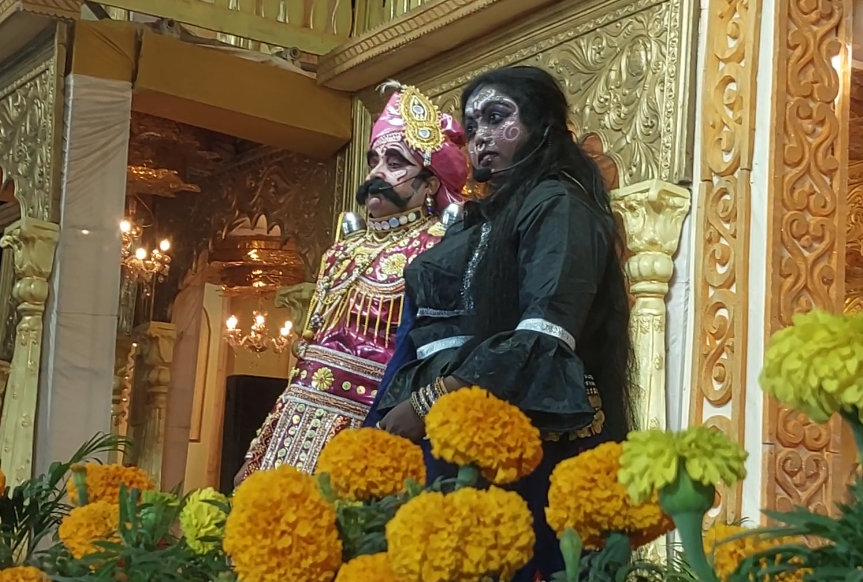
Participants dress as characters from Krishna’s life, the Mahabharata and the Ramayana. One of the most remarkable aspects of Dhanu Yatra is its inclusive nature, transcending caste, religion and social barriers, bringing people together as equals.
Scholars on Folk Memory and Regional Identity
Scholar Dr GN Devy has written about the role of oral traditions and folklore in shaping Indian society, noting that festivals like Dhanu Yatra preserve folklore through public performance while carrying moral and social lessons.
Political historian Dr Partha Chatterjee has written about festivals as expressions of regional identity in post-colonial India, viewing Dhanu Yatra as a significant assertion of local identity amid rapid modernity.
An Open Stage, a Living City
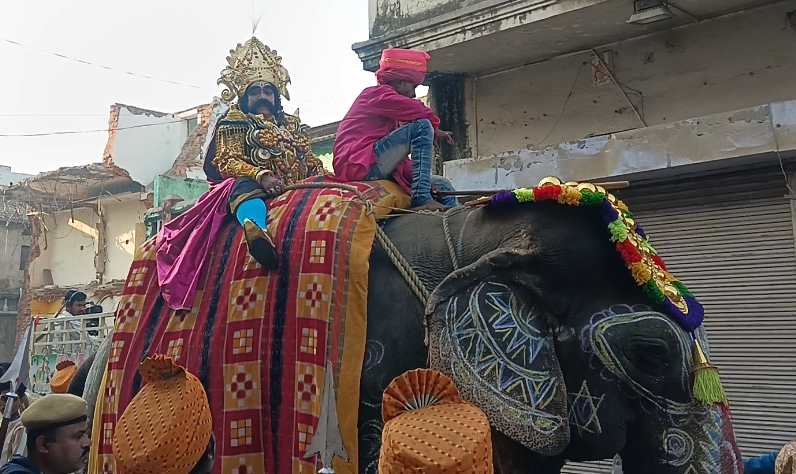
With its open stage and open script, Dhanu Yatra turns streets, squares and parks into performance spaces, allowing dialogue and scenes to unfold organically. During the festival, Bargarh becomes a living retelling of mythology, where markets, roads and courtyards double as dramatic settings.
Mythological Narrative
As per mythology, King Kansa, the despotic ruler of Mathura, imprisoned his sister Devaki and brother-in-law Vasudev and killed their newborns to prevent legal inheritance. Lord Krishna escaped this fate and was taken to Gopapura, later returning to kill Kansa -- an enduring narrative of good prevailing over evil.
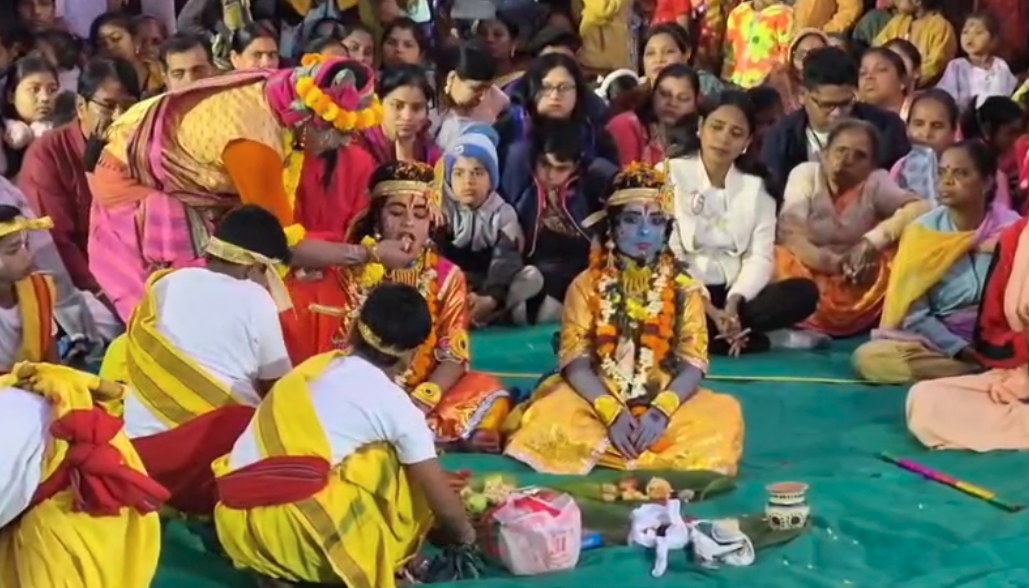
In the festival, Bargarh becomes Mathura, the nearby village of Ambapalli becomes Gopapura, and the Jeera river flowing between them is believed to represent the sacred Yamuna.
Theatre Without a Script
What sets Bargarh Dhanu Yatra apart is its unscripted nature. With over 700 artists, including 170 main characters, performances unfold across 22 locations. Dialogues are delivered extemporaneously, making the festival a trend-setter.
King Kansa: The Unlikely Protagonist
Despite being a negative character, Kansa Maharaja is regarded as the protagonist or anti-hero during the 11-day festival.
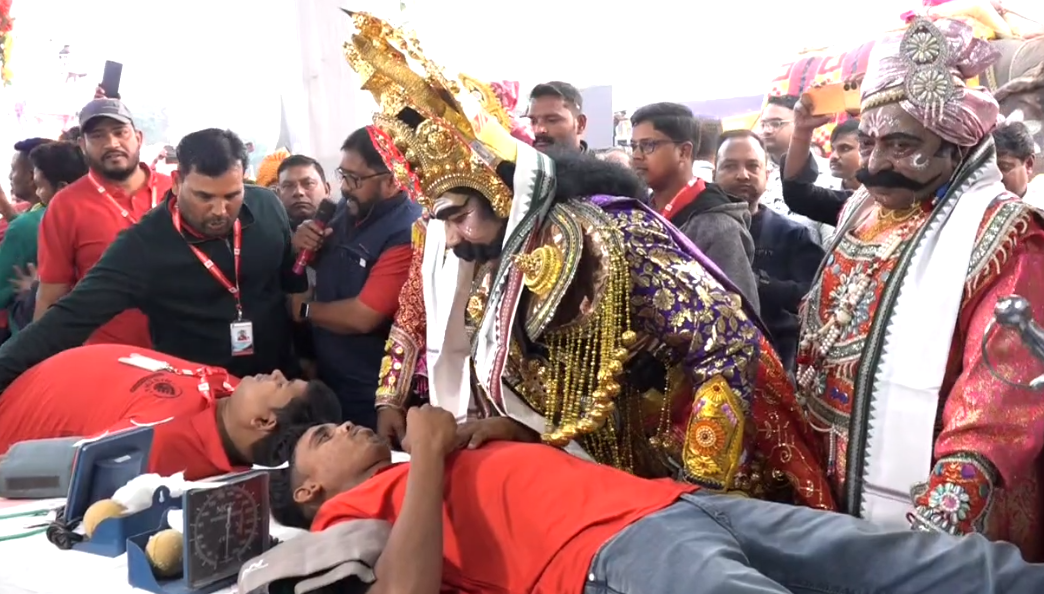
“Most people assume themselves as law-abiding citizens under the rule of King Kansa and like to follow all his commands,” said Satpathy, underscoring Kansa’s centrality during the Yatra.
Maharaja Kansa Through the Years
The role of Kansa has been enacted by several artistes over decades, including Bunde Rath, Bhimasen Tripathy, Yudhishthir Satpathy, Nilachal Dash, Gopal Sahu, Hrushikesh Bhoi, and currently Bhubaneswar Pradhan.
Community, Culture and Continuity
Over the years, Dhanu Yatra has been a celebration of community and culture. The Odisha government recognises it as a major cultural tradition and provides financial support. This year, the state government has announced a grant of Rs 1.50 crore for the ongoing Dhanu Yatra festival. The govt has increased the previous funding to support the world’s largest open-air theatre, and also included Rs 10,000 honorariums for 200 artists, live streaming, special buses, and a dedicated website for promotion.
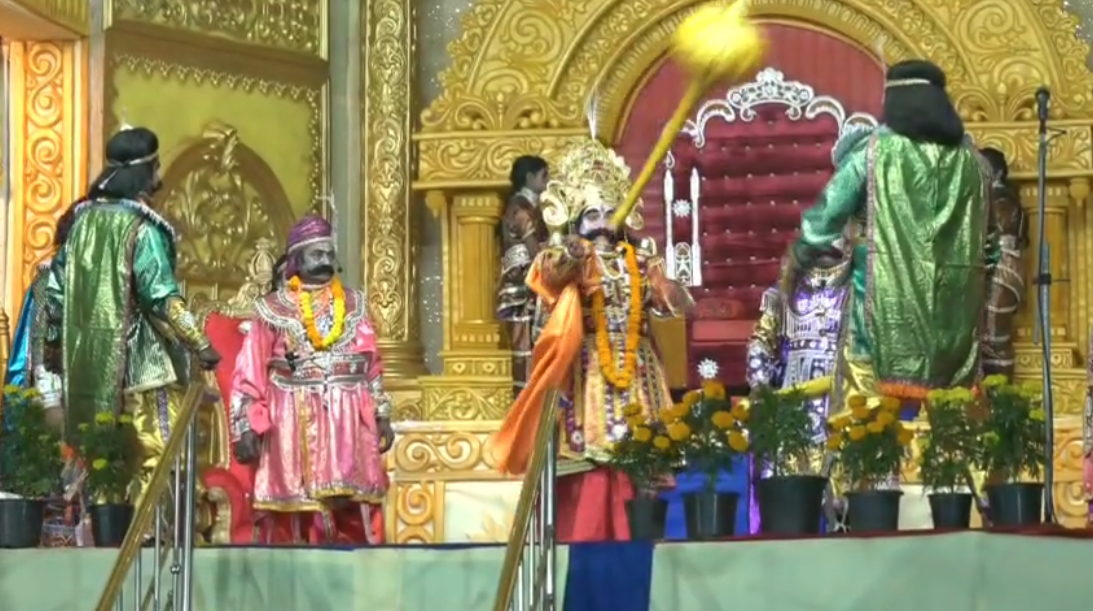
Funds have also been allocated for decorations, costumes, properties, LCD projections and live telecasts to engage audiences worldwide.
When Kansa Summoned Biju Patnaik
Over the years, the authority of Kansa has playfully extended beyond mythology. Once in the early 1990s, Kansa summoned then Odisha Chief Minister Biju Patnaik. Patnaik had sportingly flown down from Bhubaneswar in a chopper to Bargarh to appear before the ‘king’ and to discuss the ‘issues of the kingdom’.
On another occasion, Kansa ordered enforcement of helmet rules for two-wheeler riders, which was duly carried out during the festival.
“No offence is taken and no one holds a grudge,” said a town resident. “Many local problems get resolved during the festival due to the intervention of the tyrannical King Kansa.”
Also Read: Security Beefed up as Puri Witnesses Rush for New Year 2026
A Living Legacy
Mentioned in the Guinness Book of World Records and accorded National Festival status in November 2014, Dhanu Yatra continues to stand as a living legacy of storytelling, community participation and cultural continuity, where mythology breathes, and an entire town becomes theatre.
“As an agrarian society, our earlier generation thought of celebrating Dhanujatra during the auspicious agricultural occasion ‘Pushpuni’ as a mark of victory over British rule,” said Sureswar Satpathy.
The World’s Largest Open-Air Theatre
Dhanu Yatra holds a place in the Guinness World Records as the “Largest Open-Air Theater”, awarded for its sheer scale and participation. The festival transforms the entire town of Bargarh and usually lasts 10 to 11 days, with dramatic recreations of Krishna Leela and Mathura Vijaya forming the core narrative.
Participants dress as characters from Krishna’s life, the Mahabharata and the Ramayana. One of the most remarkable aspects of Dhanu Yatra is its inclusive nature, transcending caste, religion and social barriers, bringing people together as equals.
Scholars on Folk Memory and Regional Identity
Scholar Dr GN Devy has written about the role of oral traditions and folklore in shaping Indian society, noting that festivals like Dhanu Yatra preserve folklore through public performance while carrying moral and social lessons.
Political historian Dr Partha Chatterjee has written about festivals as expressions of regional identity in post-colonial India, viewing Dhanu Yatra as a significant assertion of local identity amid rapid modernity.
An Open Stage, a Living City
With its open stage and open script, Dhanu Yatra turns streets, squares and parks into performance spaces, allowing dialogue and scenes to unfold organically. During the festival, Bargarh becomes a living retelling of mythology, where markets, roads and courtyards double as dramatic settings.
Mythological Narrative
As per mythology, King Kansa, the despotic ruler of Mathura, imprisoned his sister Devaki and brother-in-law Vasudev and killed their newborns to prevent legal inheritance. Lord Krishna escaped this fate and was taken to Gopapura, later returning to kill Kansa -- an enduring narrative of good prevailing over evil.
In the festival, Bargarh becomes Mathura, the nearby village of Ambapalli becomes Gopapura, and the Jeera river flowing between them is believed to represent the sacred Yamuna.
Theatre Without a Script
What sets Bargarh Dhanu Yatra apart is its unscripted nature. With over 700 artists, including 170 main characters, performances unfold across 22 locations. Dialogues are delivered extemporaneously, making the festival a trend-setter.
King Kansa: The Unlikely Protagonist
Despite being a negative character, Kansa Maharaja is regarded as the protagonist or anti-hero during the 11-day festival.
“Most people assume themselves as law-abiding citizens under the rule of King Kansa and like to follow all his commands,” said Satpathy, underscoring Kansa’s centrality during the Yatra.
Maharaja Kansa Through the Years
The role of Kansa has been enacted by several artistes over decades, including Bunde Rath, Bhimasen Tripathy, Yudhishthir Satpathy, Nilachal Dash, Gopal Sahu, Hrushikesh Bhoi, and currently Bhubaneswar Pradhan.
Community, Culture and Continuity
Over the years, Dhanu Yatra has been a celebration of community and culture. The Odisha government recognises it as a major cultural tradition and provides financial support. This year, the state government has announced a grant of Rs 1.50 crore for the ongoing Dhanu Yatra festival. The govt has increased the previous funding to support the world’s largest open-air theatre, and also included Rs 10,000 honorariums for 200 artists, live streaming, special buses, and a dedicated website for promotion.
Funds have also been allocated for decorations, costumes, properties, LCD projections and live telecasts to engage audiences worldwide.
When Kansa Summoned Biju Patnaik
Over the years, the authority of Kansa has playfully extended beyond mythology. Once in the early 1990s, Kansa summoned then Odisha Chief Minister Biju Patnaik. Patnaik had sportingly flown down from Bhubaneswar in a chopper to Bargarh to appear before the ‘king’ and to discuss the ‘issues of the kingdom’.
On another occasion, Kansa ordered enforcement of helmet rules for two-wheeler riders, which was duly carried out during the festival.
“No offence is taken and no one holds a grudge,” said a town resident. “Many local problems get resolved during the festival due to the intervention of the tyrannical King Kansa.”
Also Read: Security Beefed up as Puri Witnesses Rush for New Year 2026
A Living Legacy
Mentioned in the Guinness Book of World Records and accorded National Festival status in November 2014, Dhanu Yatra continues to stand as a living legacy of storytelling, community participation and cultural continuity, where mythology breathes, and an entire town becomes theatre.
Related Topics
Explore more stories