



Weather Alert / IMD Warns of Heavy Rain in Odisha, Possible Cyclone Formation
Key Points
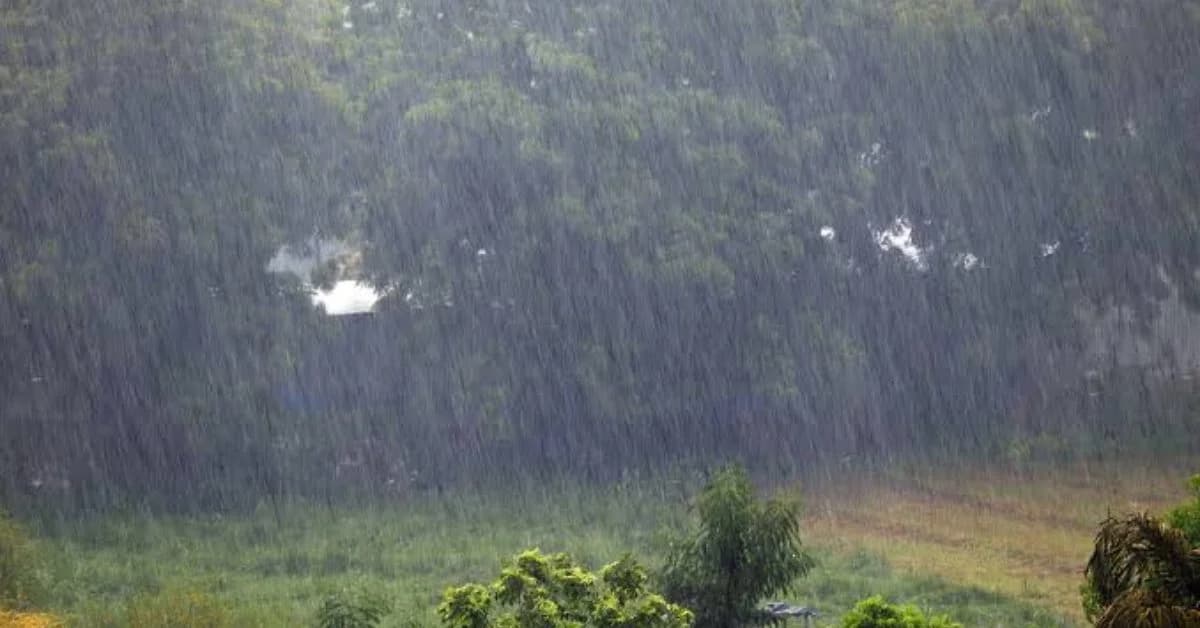
Cyclonic circulation over Thailand may intensify into a Bay of Bengal system, bringing heavy rain to Odisha. IMD issues yellow alert as experts warn of possible cyclones in coming weeks.
Bhubaneswar, Sep 17: A cyclonic circulation has formed over northern Thailand, raising concerns of a possible low-pressure system in the Bay of Bengal.
Indian Meteorological Department (IMD) Director General Mrutyunjay Mohapatra clarified that the system is likely to reach the north Andaman Sea by September 18 evening and intensify into a low-pressure area over east-central Bay of Bengal by September 19 evening.
He added that the system may gradually strengthen and move northwestwards, potentially reaching north Andhra Pradesh and south Odisha coasts around September 23-24, bringing heavy rainfall to the region.

📱 Get Argus News App
✨Meanwhile, a trough line passing over Odisha is already triggering thunderstorms and rainfall across several districts.
For the next 24 hours, Baleshwar, Bhadrak, Kendrapada, Jajpur, Jagatsinghpur, Kataka, Sundaragada, Jharsuguda, Baragada, Sambalpur, Debagada, Anugola, Dhenkanal, Kendujhar, Mayurbhanj, Gajapati, Ganjam, Puri, Khordha, and Nayagada are expected to witness heavy showers accompanied by lightning and gusty winds at 30-40 kmph. The IMD has issued a yellow alert for these areas.
Weather experts noted that remnants of a cyclonic circulation from the South China Sea could enter the Bay of Bengal around September 18-19, leading to the formation of a low-pressure system over the north Andaman Sea by September 20.
He cautioned that the system could intensify into a deep depression or even a cyclone, though clarity will emerge only by September 20.
Adding to the concern, experts have warned that between late September and mid-October, Odisha may face severe cyclonic activity. Predictions suggest up to three cyclones could form during this period, with ISRO also assessing the possibility. If realized, this could break a 44-year record.
However, officials stressed that the exact track and
intensity remain uncertain, and IMD is closely monitoring developments.
Related Topics
Explore more stories