



Wildlife Conservation / “Historic First: Tiger Travels 1,500 km, Journey Ends in Mayurbhanj's Similipal"
·6 months ago·2 min read
Key Points
A Bengal tiger’s record-breaking 1,500 km journey to Similipal Tiger Reserve marks a historic milestone, boosting genetic diversity and proving India’s forest corridors remain vital for conservation.
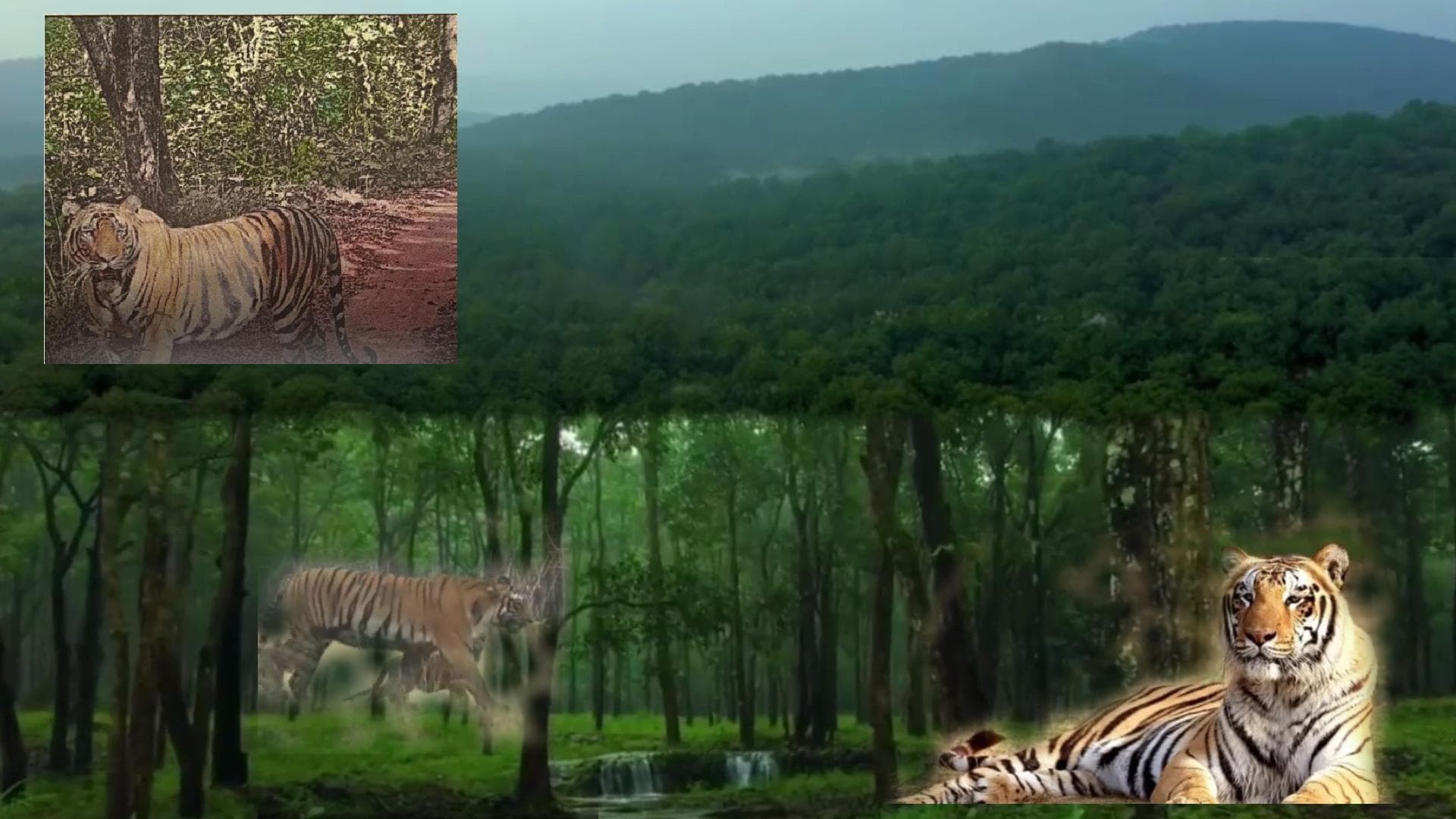
Similipal/Mayurbhanj, Apr 27: In a historic first for Odisha’s Mayurbhanj district, Similipal Tiger Reserve has welcomed a Bengal tiger that traveled an astonishing 1,500 kilometers from Central India. The rare wildlife movement, confirmed through camera trap footage during a tiger census, is being hailed as the longest natural journey ever recorded for a tiger in India.
Forest officials revealed that the tiger, an adult male aged around 4–5 years, is believed to have originated from Maharashtra. Its route reportedly passed through Chhattisgarh before entering Odisha via Sundargarh and Bonai forest divisions. The big cat then traversed forest corridors in Deogarh, Dhenkanal, and Kamakshyanagar before finally reaching Similipal between December and January. The discovery was made when CCTV and camera traps captured its presence deep inside the reserve’s core zone.
Environmentalists have described the arrival as a positive sign for Similipal’s tiger population, which has long faced challenges due to isolation and inbreeding among its rare black tigers. Conservationist Bhanumitra Acharya emphasized that the natural migration of a tiger from outside the state is a “highly encouraging development,” offering fresh genetic diversity and strengthening the ecological balance of the reserve.
Also Read: Satkosia’s Six New Ecotourism Hubs Promise Roaring Adventures
Forest officials revealed that the tiger, an adult male aged around 4–5 years, is believed to have originated from Maharashtra. Its route reportedly passed through Chhattisgarh before entering Odisha via Sundargarh and Bonai forest divisions. The big cat then traversed forest corridors in Deogarh, Dhenkanal, and Kamakshyanagar before finally reaching Similipal between December and January. The discovery was made when CCTV and camera traps captured its presence deep inside the reserve’s core zone.
Environmentalists have described the arrival as a positive sign for Similipal’s tiger population, which has long faced challenges due to isolation and inbreeding among its rare black tigers. Conservationist Bhanumitra Acharya emphasized that the natural migration of a tiger from outside the state is a “highly encouraging development,” offering fresh genetic diversity and strengthening the ecological balance of the reserve.
Also Read: Satkosia’s Six New Ecotourism Hubs Promise Roaring Adventures

📱 Get Argus News App
✨📰 60 Word News🎬 Argus Podcast📺 Live TV and Breaking News🔔 Free Notification Alerts
Download Free:
Dr. Prakash Chand Gogineni, Director of Similipal Tiger Project, confirmed the tiger’s presence and explained that the animal entered Odisha forests around August–September last year, moving through multiple divisions before settling in Similipal by December–January. He noted that while the exact origin of the tiger is still being verified, its arrival is a “welcome sign for biodiversity.” Gogineni added that further monitoring through upcoming camera trap installations will provide more details about the tiger’s movements and current status.
This remarkable journey underscores the importance of India’s surviving forest corridors, which continue to enable long-distance wildlife migration despite growing development pressures. Experts have called for immediate mapping and protection of these corridors to minimize human-wildlife conflict and ensure safe passage for future migrations.
The incident is being celebrated as a landmark moment for Similipal and Odisha’s conservation efforts. More than just a rare wildlife event, the tiger’s arrival symbolizes resilience in India’s forest ecosystems and offers renewed hope for the future of tiger conservation.
This remarkable journey underscores the importance of India’s surviving forest corridors, which continue to enable long-distance wildlife migration despite growing development pressures. Experts have called for immediate mapping and protection of these corridors to minimize human-wildlife conflict and ensure safe passage for future migrations.
The incident is being celebrated as a landmark moment for Similipal and Odisha’s conservation efforts. More than just a rare wildlife event, the tiger’s arrival symbolizes resilience in India’s forest ecosystems and offers renewed hope for the future of tiger conservation.
Related Topics
Explore more stories