



Savitri Brata / Fruit Prices Soar Ahead of Savitri Brata; Tradition Keeps Markets Busy
·4 months ago·2 min read
Key Points
Markets across Odisha are bustling ahead of Savitri Brata, with fruit prices soaring and customers expressing frustration but continuing purchases due to traditional obligations.
Bhubaneswar, May 12: With Savitri Brata just days away, Odisha’s markets have turned festive yet tense as soaring fruit prices test the patience of customers. Women preparing for the annual ritual, observed for the well-being of their husbands, are thronging fruit stalls, sari shops, and ladies’ corners, creating a vibrant but crowded atmosphere.
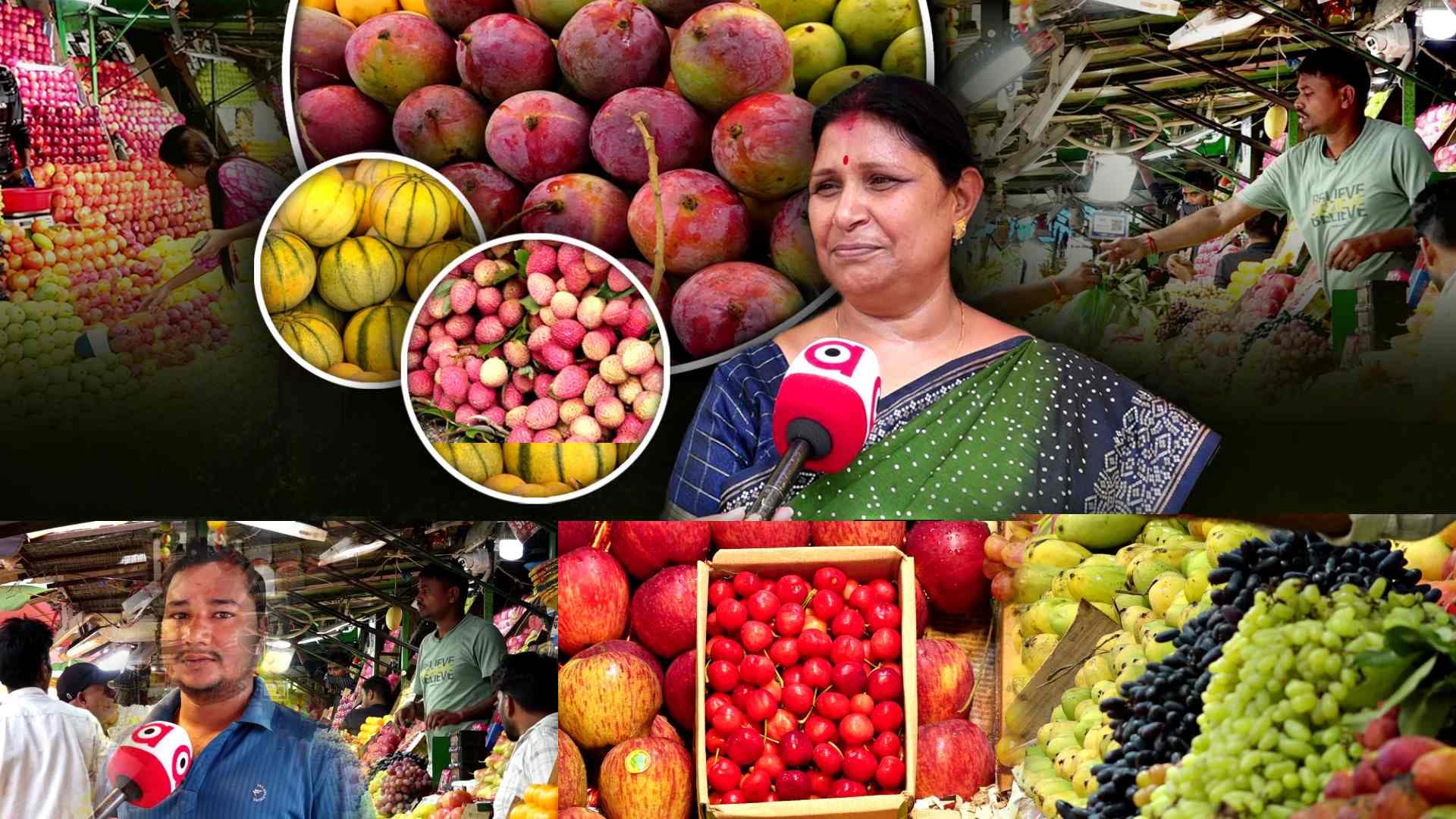
Tradition dictates that fruits hold a special place in Savitri Brata offerings, making them indispensable purchases despite skyrocketing rates. Mangoes are selling between ₹100–₹200 per kilo, bananas at ₹150 per dozen, coconuts at ₹30 each, pineapples at ₹100 per kilo, and jackfruit ranging from ₹150–₹200 apiece. Imported fruits such as apples and grapes are priced even higher, with apples at ₹250–₹300 per kilo and grapes at ₹200 per kilo. Lychees too are touching ₹250 per kilo, while dates and other dry fruits are being sold at premium rates.
Customers voiced dissatisfaction over the steep hike, noting that most fruits are imported or sourced from outside the state, which has pushed prices upward. “We are compelled to buy despite high costs because tradition demands it,” said one buyer, reflecting the dilemma faced by many households.
Traders, however, argue that the surge is driven by demand and seasonal factors. With extreme heat accelerating spoilage, fruits are perishing faster, adding to the pressure on supply chains. “Most varieties are imported, so naturally prices are higher. With three days left for Savitri, rates may rise further,” explained a fruit vendor, highlighting the challenges of balancing demand with availability.
Tradition dictates that fruits hold a special place in Savitri Brata offerings, making them indispensable purchases despite skyrocketing rates. Mangoes are selling between ₹100–₹200 per kilo, bananas at ₹150 per dozen, coconuts at ₹30 each, pineapples at ₹100 per kilo, and jackfruit ranging from ₹150–₹200 apiece. Imported fruits such as apples and grapes are priced even higher, with apples at ₹250–₹300 per kilo and grapes at ₹200 per kilo. Lychees too are touching ₹250 per kilo, while dates and other dry fruits are being sold at premium rates.
Customers voiced dissatisfaction over the steep hike, noting that most fruits are imported or sourced from outside the state, which has pushed prices upward. “We are compelled to buy despite high costs because tradition demands it,” said one buyer, reflecting the dilemma faced by many households.
Traders, however, argue that the surge is driven by demand and seasonal factors. With extreme heat accelerating spoilage, fruits are perishing faster, adding to the pressure on supply chains. “Most varieties are imported, so naturally prices are higher. With three days left for Savitri, rates may rise further,” explained a fruit vendor, highlighting the challenges of balancing demand with availability.

📱 Get Argus News App
✨📰 60 Word News🎬 Argus Podcast📺 Live TV and Breaking News🔔 Free Notification Alerts
Download Free:
Also Read: Odisha Govt Moves to Settle Jagannath Temple Land Disputes with New Policy
Despite the frustration, the festive spirit remains intact. The sight of women in traditional attire bargaining at crowded stalls, vendors calling out prices, and the aroma of fresh fruits has created a lively atmosphere across Odisha’s bazaars. Religious leaders and community elders emphasize that the ritual’s sanctity lies in devotion rather than the scale of offerings, but for many families, buying fruits remains a symbolic necessity.
As the countdown to Savitri Amavasya continues, markets are expected to remain packed, with traders predicting further price hikes. Customers, though unhappy, are resigned to the reality that tradition outweighs economics during this auspicious occasion.
Despite the frustration, the festive spirit remains intact. The sight of women in traditional attire bargaining at crowded stalls, vendors calling out prices, and the aroma of fresh fruits has created a lively atmosphere across Odisha’s bazaars. Religious leaders and community elders emphasize that the ritual’s sanctity lies in devotion rather than the scale of offerings, but for many families, buying fruits remains a symbolic necessity.
As the countdown to Savitri Amavasya continues, markets are expected to remain packed, with traders predicting further price hikes. Customers, though unhappy, are resigned to the reality that tradition outweighs economics during this auspicious occasion.
Related Topics
Explore more stories