



Agriculture / Fertilizer Black Market Bleeds Odisha Farmers
Key Points
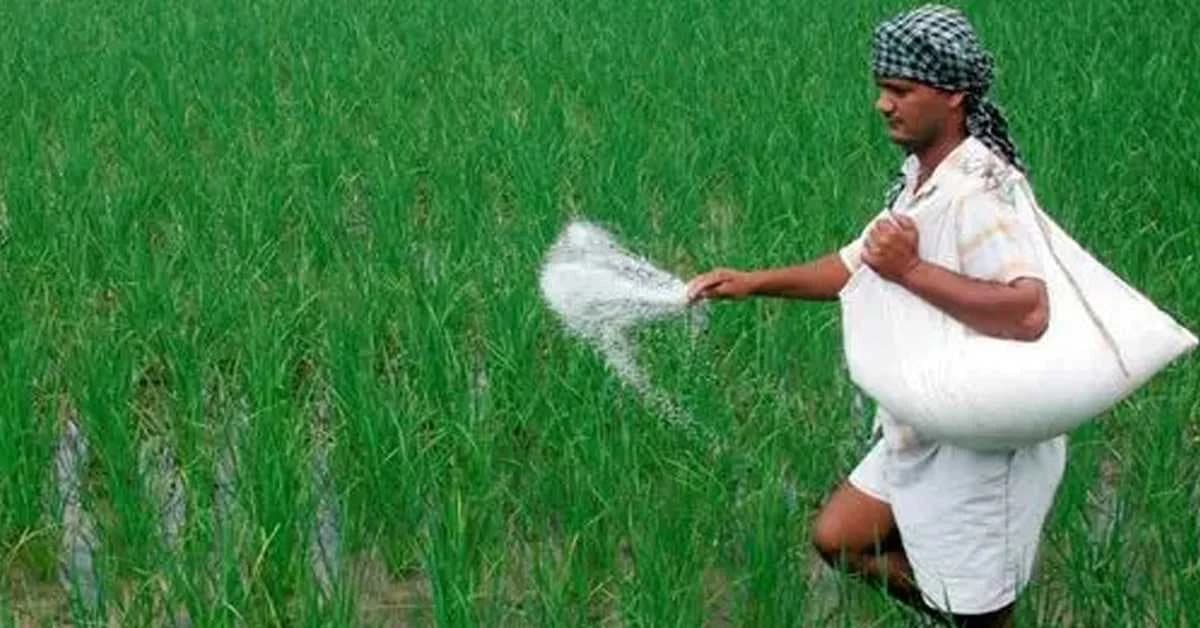
Bhubaneswar, Aug 10: Farmers across Odisha are grappling with a severe fertilizer crisis, compounded by rampant black marketing. Despite the government-fixed prices,, unscrupulous traders are selling urea and DAP at exorbitant rates, leaving cultivators exploited during the crucial paddy transplantation season.
Farmers are grappling with a severe fertilizer crisis compounded by rampant black marketing across Odisha. Despite the government-fixed prices, unscrupulous traders are selling Urea and DAP at exorbitant rates, leaving cultivators exploited during the crucial paddy transplantation season.
In Balangir district, farmers allege that a urea bag priced officially at Rs265 is being sold for Rs600–700, while DAP bags costing Rs1,350 are being pushed at Rs2,000–2,200. Similar complaints have surfaced from Kantabanji, Turekela, Bongomunda, and Muribahal, where syndicates appear to control supply chains. Farmers say the administration’s enforcement drives remain largely cosmetic.
District agriculture officials claim that over 32,000 metric tonnes of fertilizer are stocked, with enforcement teams conducting raids. Yet farmer unions accuse authorities of collusion with traders, alleging that PACS outlets are bypassed to benefit private retailers.

📱 Get Argus News App
✨The crisis is not confined to Balangir. In Nuapada and Kalahandi, fertilizers are reportedly smuggled into neighbouring Chhattisgarh in pickup vans. Even District Collectors’ inspections have failed to curb the practice. In Sonepur, against a requirement of 25,000 metric tonnes, only 14,000 tonnes have been supplied, while farmers are harassed with online booking glitches.
In Koraput’s Nandapur, tribal farmers were allegedly forced to pay Rs3,000 for a bag of Gromor fertilizer priced at Rs1,900, sparking protests that compelled shopkeepers to refund money. Farmer leaders have accused the administration of turning a blind eye to profiteering.
Cooperation Minister Pradeep Bal Samanta admitted the problem, stating that enforcement teams have been formed at state and district levels to curb black marketing. He warned that strict action would be taken against violators. However, farmer groups remain sceptical, questioning whose patronage allows such a powerful fertilizer syndicate to thrive.
Related Topics
Explore more stories