



Exit of Bhaskar Rao and Himirika is More Than an Isolated Rebellion
Key Points
Key leaders and grassroots representatives are exiting BJD, forming new platforms or joining BJP, threatening the party’s rural stronghold.
Senior voices within BJD criticize the party’s undemocratic management and lack of collective decision-making. BJP capitalizes on BJD’s internal rifts, gaining access to local networks and positioning itself as the rising force in Odisha politics.
Bhubaneswar, Sep 11: The Biju Janata Dal (BJD), which for more than two decades stood as the unchallenged political force in Odisha, now finds its organisational base showing clear signs of erosion. The steady exodus of leaders, combined with rising dissent from within, is weakening the party’s grassroots machinery—once the backbone of Naveen Patnaik’s electoral dominance.
A pattern of exits and defections

📱 Get Argus News App
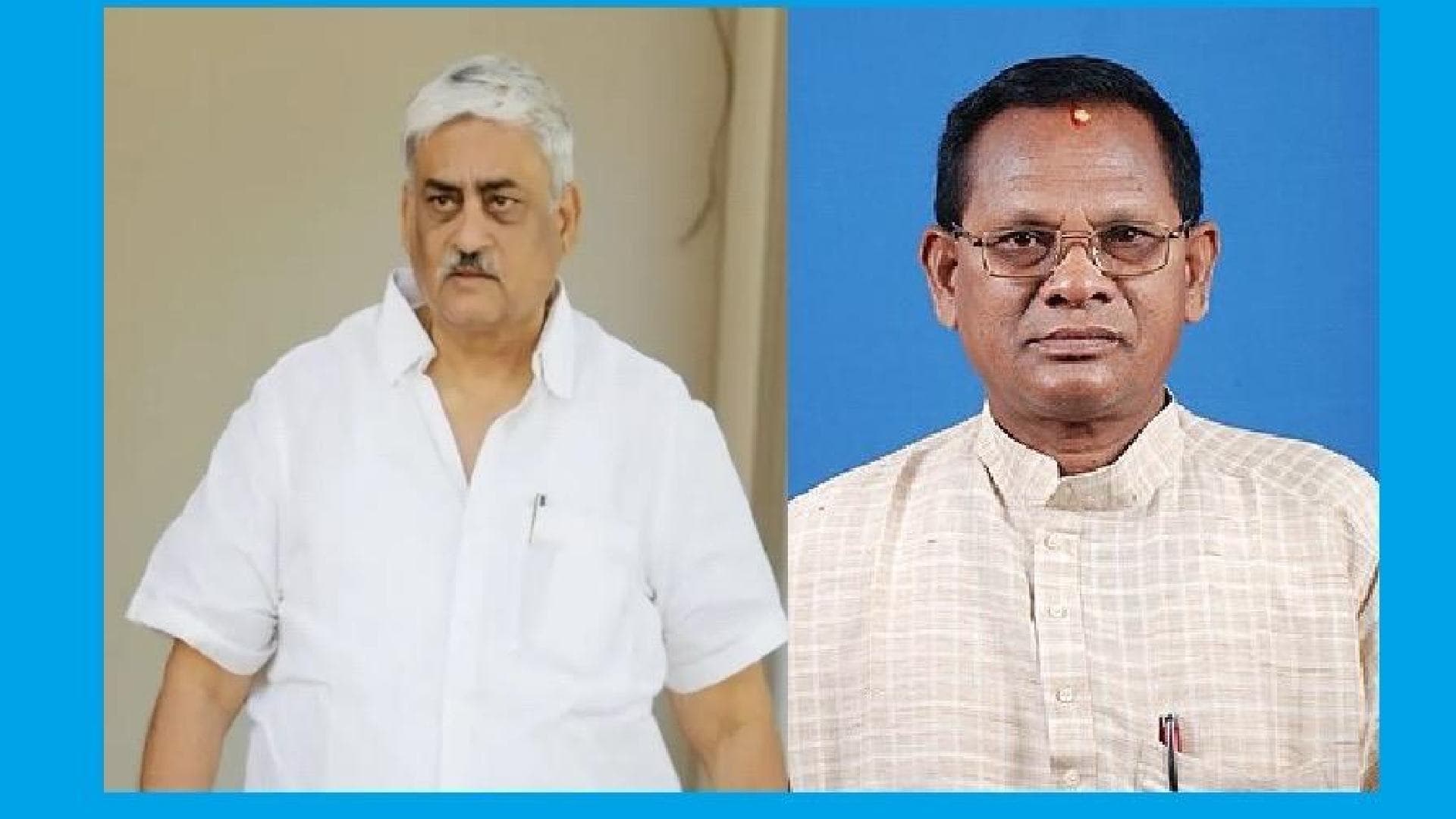
✨The recent resignations of N Bhaskar Rao, a former Rajya Sabha MP, and Lal Bihari Himirika, a former minister, highlight a disturbing trend. Both leaders, once key BJD stalwarts in southern Odisha, walked away with thousands of supporters to form a new regional platform, the Biju Swabhiman Manch. Their departure mirrors earlier shocks in Dharmasala (Jajpur) and Dharmagarh (Kalahandi), where most panchayati raj representatives defected en masse to the BJP.
The problem is not confined to southern Odisha. Reports of imminent resignations by sarpanches, Zilla Parishad members, block chairpersons and ZP presidents in Jajpur district—set to formally join the BJP—signal an organisational collapse spreading across districts. For a party that thrived on grassroots penetration, these defections cut deep.
Dissatisfaction with party management
The statements of Rao and Himirika underscore an oft-repeated grievance: the BJD has drifted away from its founding ideology and has become overly centralised. Many veterans allege that decision-making is dominated by a handful of individuals rather than collective leadership. Increasingly, the finger points at V Karthikeyan Pandian, the former bureaucrat-turned-politician and Naveen Patnaik’s closest aide.
Senior leaders such as Prafulla Mallick, Ashok Chandra Panda, Ranendra Pratap Swain and Rajya Sabha MP Debasish Samantaray have, in recent months, publicly expressed concern over the party’s “undemocratic management.” Their open discontent is a far cry from the discipline and loyalty that defined the BJD during its years of ascendancy.
Timing and electoral stakes
The timing of this crisis is politically significant. The next panchayat polls are looming large, and the BJP has made deep inroads into Odisha’s rural belts. Panchayat elections have historically acted as bellwethers for assembly outcomes, as they test the strength of grassroots networks. If BJD cadres continue to desert, the party risks losing control over the very structures that ensured its dominance in past elections.
BJP’s calculated gains
For the BJP, these defections are both symbolic and strategic. Symbolic, because leaders quitting Naveen Patnaik’s camp project the image of a regime in decline. Strategic, because the BJP gains instant access to local networks of panchayat leaders, which are crucial for mobilising rural votes. This was precisely how the BJP challenged the BJD in the 2024 Assembly elections, where it capitalised on anti-incumbency and questions around succession within the BJD.
Structural weaknesses in the BJD
The cracks visible today are rooted in structural flaws. Naveen Patnaik’s leadership model was highly centralised, with little tolerance for parallel power centres. While this helped ensure discipline and stability during the BJD’s golden years, it also prevented the emergence of second-line leadership. As a result, once electoral setbacks eroded the party’s aura of invincibility, ambitious leaders saw little future for themselves within its ranks.
Implications for Odisha politics
End of One-Party Dominance: Odisha appears to be moving toward a more competitive two-party system, with the BJP emerging as the principal challenger.
Fragmentation of the Regional Space: The formation of outfits like the Biju Swabhiman Manch could splinter the BJD’s traditional vote bank, particularly in southern Odisha.
Leadership Succession Crisis: Without a clear succession roadmap, Naveen Patnaik’s absence—whether temporary or permanent—could trigger a free fall in organisational coherence.
Loss of Rural Stronghold: If panchayat-level leadership continues to defect, the BJD risks losing the rural vote base that has sustained its victories for two decades.
The road ahead
The BJD faces a critical choice: either undertake internal reforms—decentralise decision-making, empower district leaders, and offer recognition to sidelined veterans—or risk an accelerated decline. The BJP, on the other hand, will seek to deepen this organisational vacuum and present itself as the only credible alternative for Odisha’s future.
For now, the exodus of leaders like Rao and Himirika is more
than an isolated rebellion. It is symptomatic of a larger unraveling in
Odisha’s most successful regional party. Unless corrected, this trend could
mark the beginning of the end of BJD’s era of dominance.