



Tribal Arts / Discover Lesser Known Odisha Handlooms That Weave Culture Into Every Thread
·10 months ago·3 min read
Key Points
- Odisha’s handlooms reflect rich tribal and cultural heritage.
- Dongria, Saktipada, Bichitrapuri, Habaspuri, and Tarabali remain iconic.
- Weaving traditions combine art, symbolism, and centuries-old techniques.
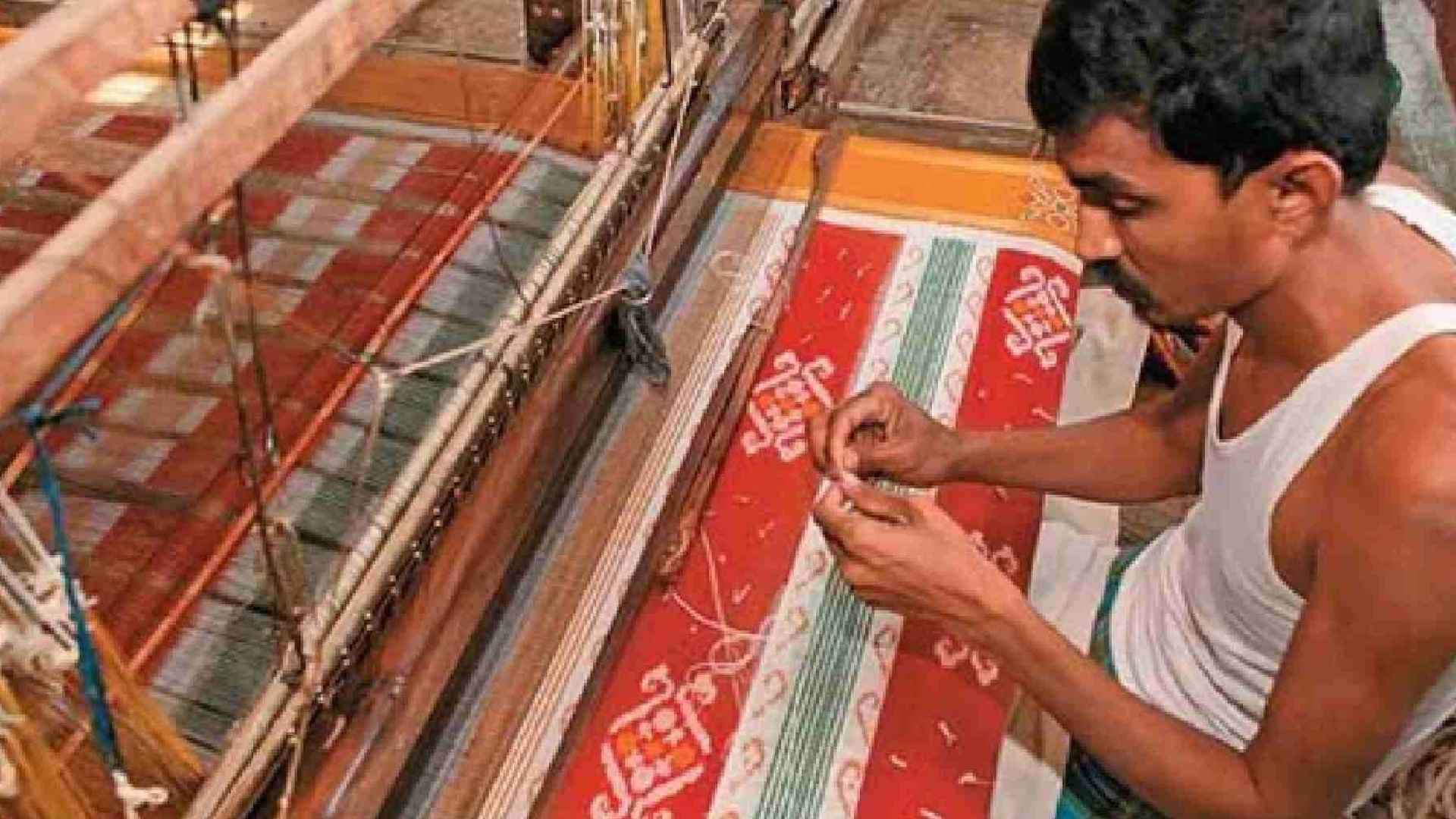
Bhubaneswar, Nov 29: Odisha’s fabrics are admired across India, yet many don’t know their origin. Handwoven textiles from the state’s interior regions carry centuries of tradition, waiting to be seen and celebrated. These fabrics need light to thrive before their stories fade.
Dongria
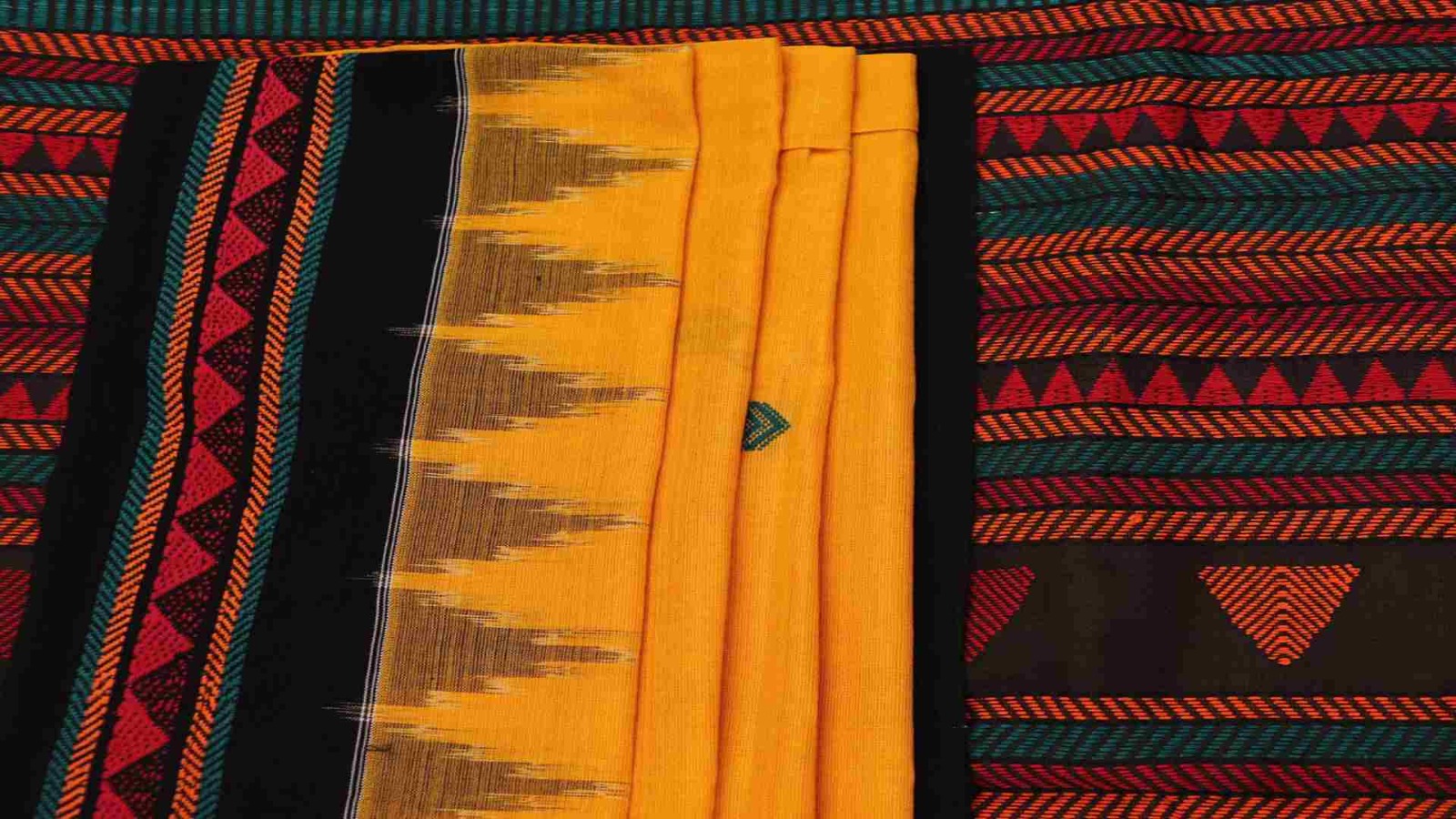
Dongria silk belongs to the Dongria Kondh Tribe from the Niyamgiri Hills of Odisha, typically woven by unwed Dongria girls for their would-be husbands. The embroidery is very similar to the original, shaped in triangles, symbolising the hills and the temples, woven by hand. It takes a long time to make the shawls, a month.
The modern Dongria sarees are, however, given a professional touch by experienced workers and have no connection to the Dongria culture.
Saktipada
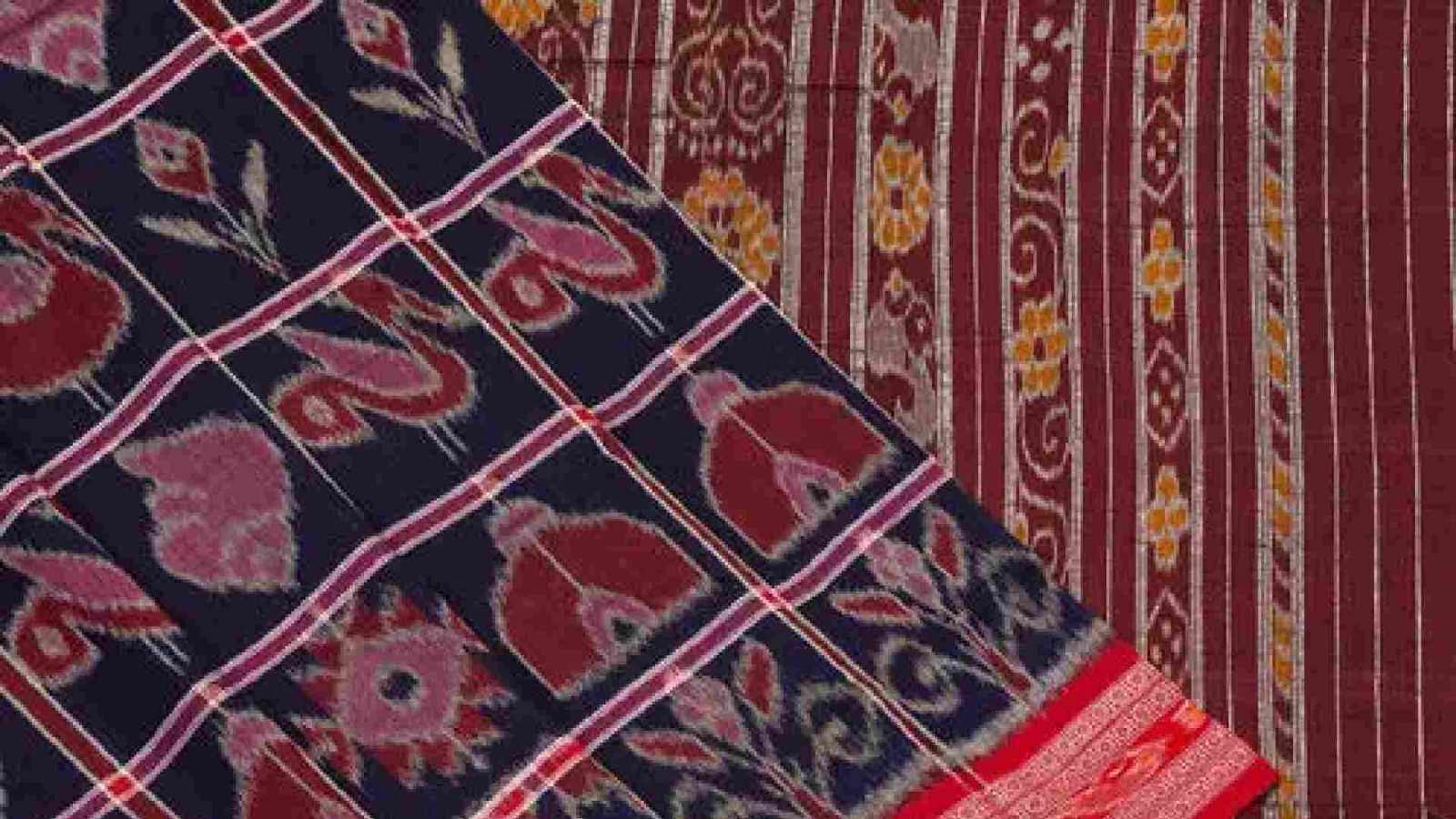
Saktipada belongs to Western Odisha, primarily from the district of Bargarh. It is a branch of Sambalpuri handlooms. A common pattern it embraces is the checkerboard pattern, like that of a chessboard. Patterns of natural elements like fish, shells and birds can also be found.
Dongria
Dongria silk belongs to the Dongria Kondh Tribe from the Niyamgiri Hills of Odisha, typically woven by unwed Dongria girls for their would-be husbands. The embroidery is very similar to the original, shaped in triangles, symbolising the hills and the temples, woven by hand. It takes a long time to make the shawls, a month.
The modern Dongria sarees are, however, given a professional touch by experienced workers and have no connection to the Dongria culture.
Saktipada
Saktipada belongs to Western Odisha, primarily from the district of Bargarh. It is a branch of Sambalpuri handlooms. A common pattern it embraces is the checkerboard pattern, like that of a chessboard. Patterns of natural elements like fish, shells and birds can also be found.

📱 Get Argus News App
✨📰 60 Word News🎬 Argus Podcast📺 Live TV and Breaking News🔔 Free Notification Alerts
Download Free:
This handloom isn't just used for attire, but authentic bed sheets and cushion covers as well.
Bichitrapuri
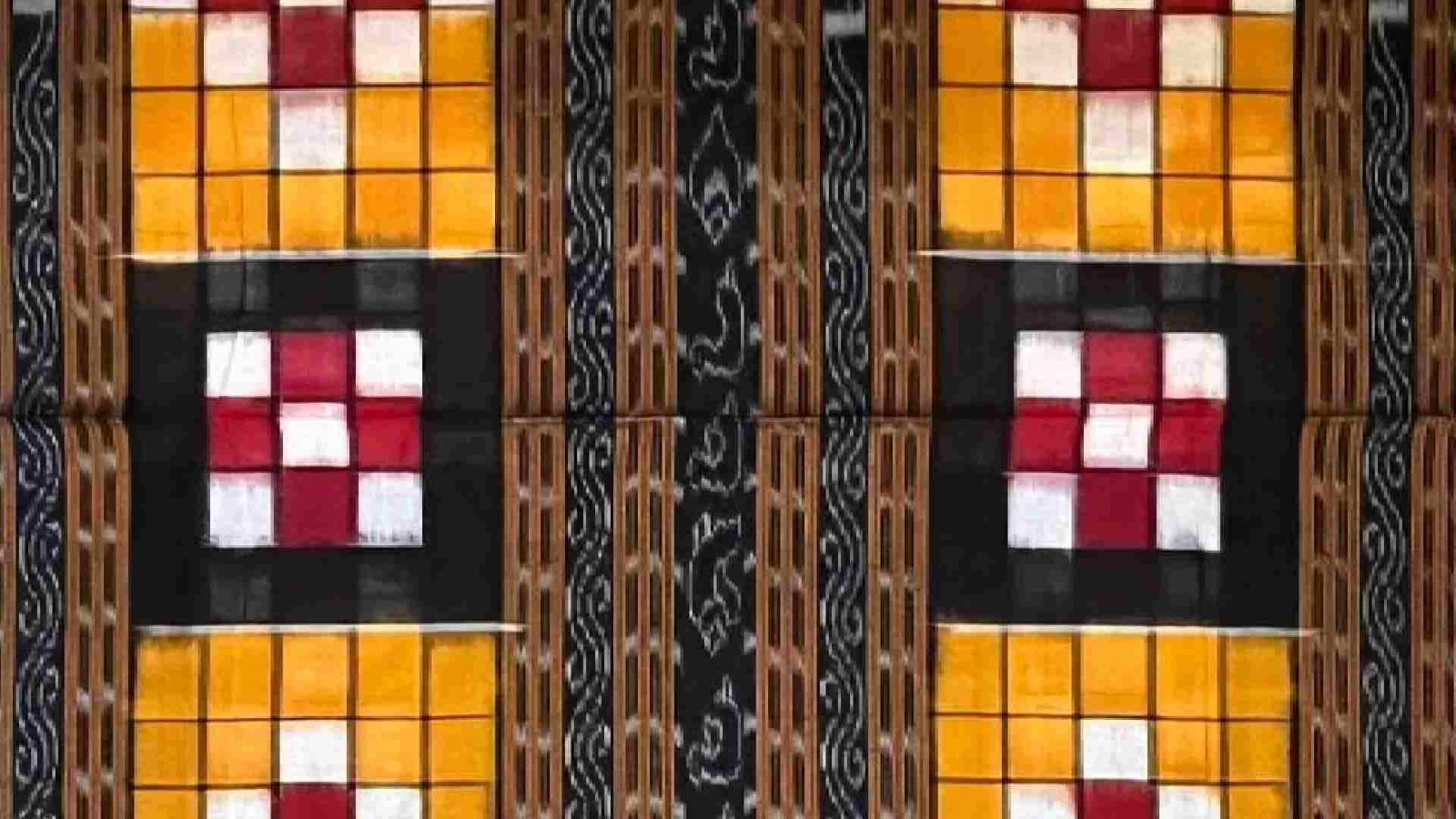
Native to Bargarh, Sambalpur, Sonepur and Boudh, it is a type of Pasapalli pattern. The word "Bichitra" translates to "wondrous." The first sarees were available in only 4 colours representing Lord Jagannath. The technique of Bandhkala played a huge role in the development of Bichitrapuri. The yarn is first tied to make a design. It is then dyed, dried and woven respectively.
The handloom experienced a decline during the British Raj, but revived post-independence. Originally a "marriage fabric", it can now be worn for special occasions.
Habaspuri
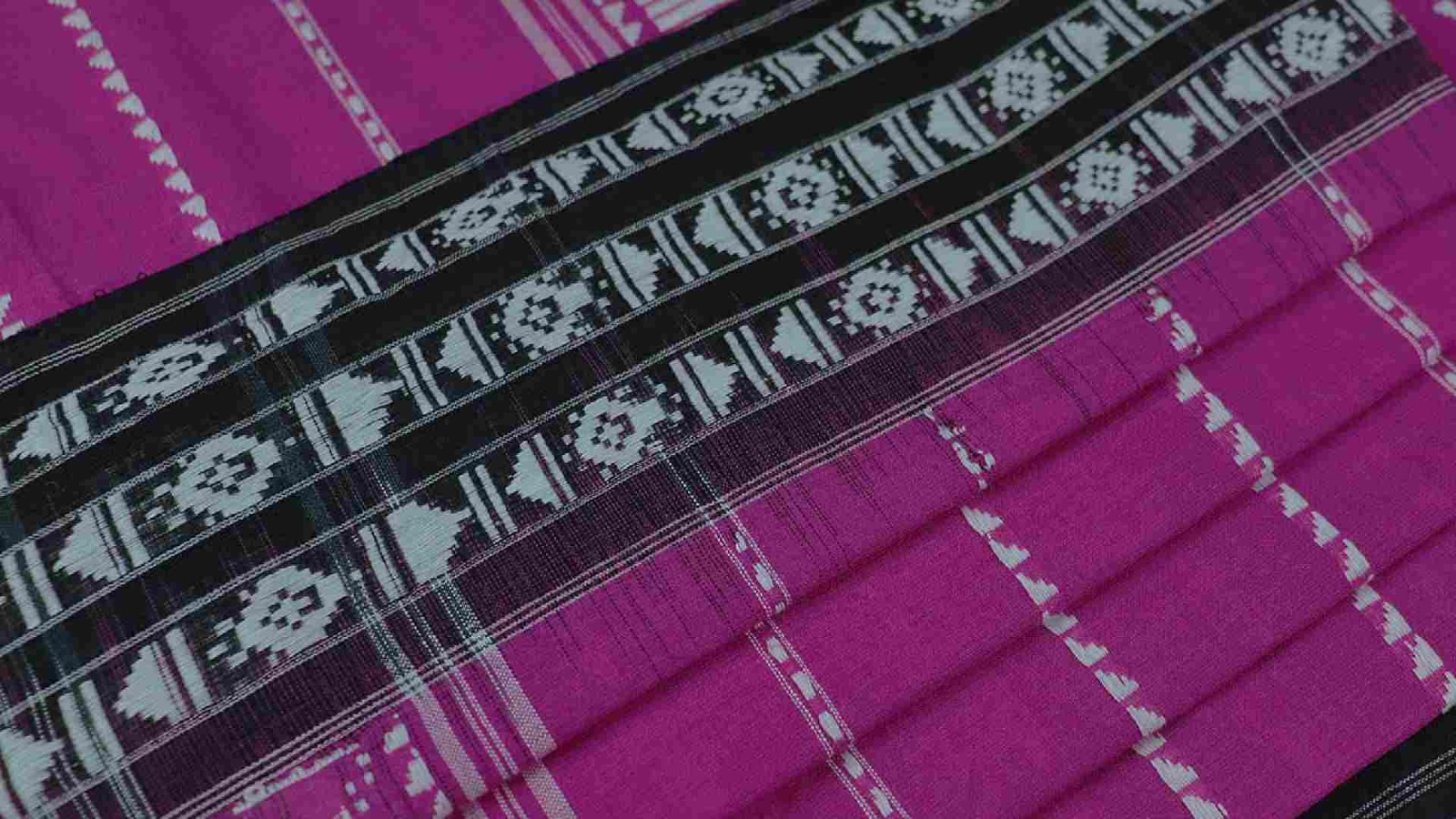
Habaspuri handloom textile originated from Habaspur village in the district of Kalahandi, as its name suggests. Holding a GI Tag, it was on the verge of decline but revived by the Bhulia weavers of Chicheguda. It has natural elements decorated on it with tribal wall art.
In November 2023, Odia writer and director Biswanath Rath made a feature documentary named 'Habaspuri Weaving: The Second and Last Death???', filmed in Kalahandi. The film was selected for NFDC Film Bazaar's Documentary Co-Production Market in 2023.
Tarabali
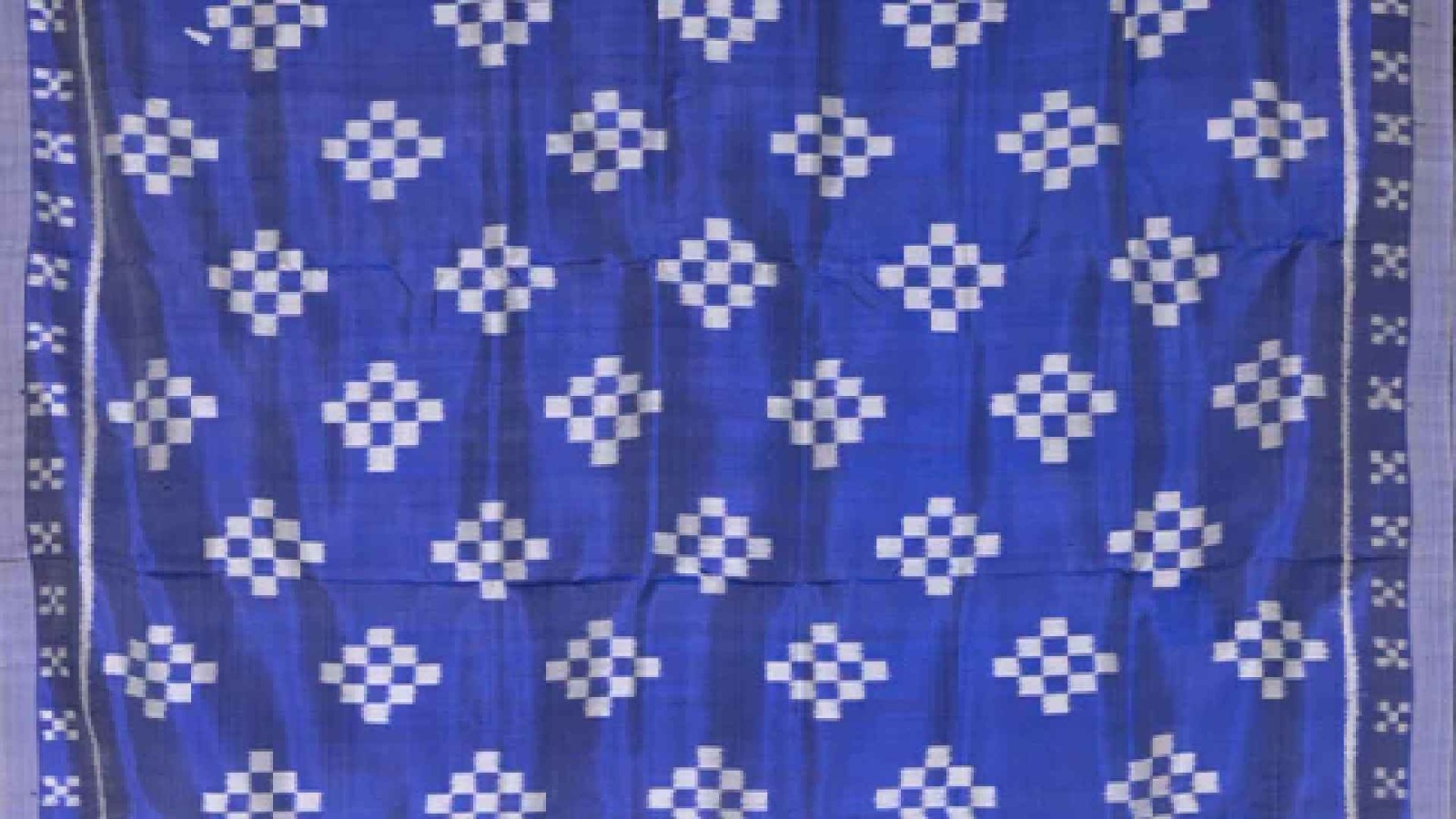
The art dates back to 12th Century AD, deeply associated with the Srimandir in Puri. It has different types. One is the popular Khandua silk. The motifs are celestial, consisting stars and constellations. Handwoven primarily in Nuapatna and Manibandha, Cuttack, it is lighter and more comfortable, allowing people to wear it for festivals and parties.
Bichitrapuri
Native to Bargarh, Sambalpur, Sonepur and Boudh, it is a type of Pasapalli pattern. The word "Bichitra" translates to "wondrous." The first sarees were available in only 4 colours representing Lord Jagannath. The technique of Bandhkala played a huge role in the development of Bichitrapuri. The yarn is first tied to make a design. It is then dyed, dried and woven respectively.
The handloom experienced a decline during the British Raj, but revived post-independence. Originally a "marriage fabric", it can now be worn for special occasions.
Habaspuri
Habaspuri handloom textile originated from Habaspur village in the district of Kalahandi, as its name suggests. Holding a GI Tag, it was on the verge of decline but revived by the Bhulia weavers of Chicheguda. It has natural elements decorated on it with tribal wall art.
In November 2023, Odia writer and director Biswanath Rath made a feature documentary named 'Habaspuri Weaving: The Second and Last Death???', filmed in Kalahandi. The film was selected for NFDC Film Bazaar's Documentary Co-Production Market in 2023.
Tarabali
The art dates back to 12th Century AD, deeply associated with the Srimandir in Puri. It has different types. One is the popular Khandua silk. The motifs are celestial, consisting stars and constellations. Handwoven primarily in Nuapatna and Manibandha, Cuttack, it is lighter and more comfortable, allowing people to wear it for festivals and parties.
Tarabali uses both single and double ikat styles and is resistant to dyeing. It is available in both materials, cotton and silk.
This story is compiled by Satabhisa Jena.
This story is compiled by Satabhisa Jena.
Related Topics
Explore more stories