



Delimitation Debate in Odisha: Numbers, Narrative, And Political Stakes
·5 months ago·3 min read
Key Points
Odisha's Lok Sabha seats may rise from 21 to 32 following proposed delimitation under the 131st Constitutional Amendment Bill, sparking political debate.
Bhubaneswar, Apr 20: A fresh political debate has emerged in Odisha over the proposed increase in parliamentary representation, with the issue quickly moving beyond arithmetic into the realm of perception, federal balance, and electoral strategy.
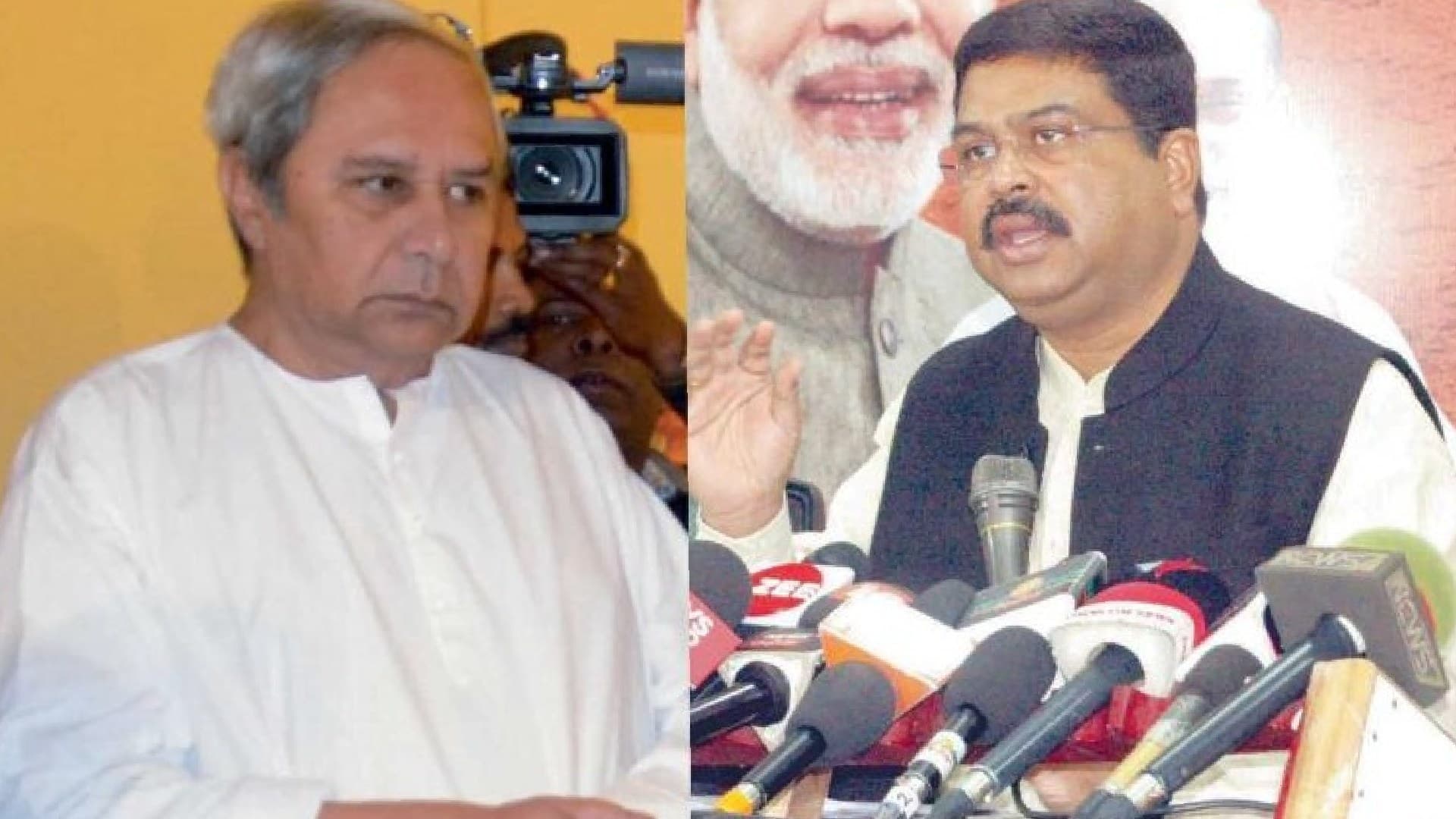
At the centre of the discussion is the possibility of Odisha’s Lok Sabha seats rising from 21 to 32 following the proposed delimitation exercise linked to the 131st Constitutional Amendment Bill. The issue gained traction after remarks by Leader of Opposition Naveen Patnaik raised concerns, which were subsequently countered by Union Minister Dharmendra Pradhan, who argued that the increase would strengthen Odisha’s voice at the national level.
While the political exchange has been sharp, a closer look at the numbers and institutional implications suggests that the core argument rests on representational equity. If the proposed expansion materialises, Odisha would see nearly a 50 per cent rise in its Lok Sabha strength -- an increase that aligns with the broader national plan of expanding seats across states to reflect demographic realities.
From a governance perspective, a higher number of MPs can translate into more granular representation. Larger states have historically benefited from greater parliamentary presence, enabling them to exert stronger influence over national policy, budget allocations, and committee systems. In this context, even a marginal rise in Odisha’s share -- from roughly 3.87 per cent to about 3.91 per cent -- carries symbolic and functional weight, particularly in coalition-era politics where numbers often shape negotiation power.
At the centre of the discussion is the possibility of Odisha’s Lok Sabha seats rising from 21 to 32 following the proposed delimitation exercise linked to the 131st Constitutional Amendment Bill. The issue gained traction after remarks by Leader of Opposition Naveen Patnaik raised concerns, which were subsequently countered by Union Minister Dharmendra Pradhan, who argued that the increase would strengthen Odisha’s voice at the national level.
While the political exchange has been sharp, a closer look at the numbers and institutional implications suggests that the core argument rests on representational equity. If the proposed expansion materialises, Odisha would see nearly a 50 per cent rise in its Lok Sabha strength -- an increase that aligns with the broader national plan of expanding seats across states to reflect demographic realities.
From a governance perspective, a higher number of MPs can translate into more granular representation. Larger states have historically benefited from greater parliamentary presence, enabling them to exert stronger influence over national policy, budget allocations, and committee systems. In this context, even a marginal rise in Odisha’s share -- from roughly 3.87 per cent to about 3.91 per cent -- carries symbolic and functional weight, particularly in coalition-era politics where numbers often shape negotiation power.

📱 Get Argus News App
✨📰 60 Word News🎬 Argus Podcast📺 Live TV and Breaking News🔔 Free Notification Alerts
Download Free:
The gender dimension adds another layer to the debate. The proposed implementation of the Nari Shakti Vandan Adhiniyam, which mandates 33 per cent reservation for women in legislatures, would mean that any increase in total seats directly expands opportunities for women candidates. In Odisha’s case, the projected jump to 32 seats could open the door for at least 10–11 women MPs, significantly altering the state’s gender representation in Parliament.
Critically, opposition apprehensions appear to stem less from the arithmetic of seat expansion and more from uncertainties around delimitation criteria -- particularly population-based redistribution, which has historically triggered concerns among states about relative political weight. However, assurances from the Union government, including statements by Amit Shah, indicate that the increase is envisaged as a uniform expansion rather than a zero-sum redistribution.
This distinction is crucial. A uniform expansion mitigates fears of any state losing its relative standing, instead positioning the exercise as an additive process aimed at strengthening federal representation overall.
Within this framework, the contention that increased seats would benefit Odisha appears logically consistent. More MPs mean broader constituency coverage, enhanced participation in parliamentary processes, and greater scope for leadership emergence -- especially among women and younger politicians.
Ultimately, the debate reflects a familiar pattern in Indian politics, where structural reforms intersect with political messaging. As discussions around delimitation gather momentum, the focus is likely to remain on how representation, equity, and electoral advantage are balanced in a rapidly evolving democratic landscape.
Critically, opposition apprehensions appear to stem less from the arithmetic of seat expansion and more from uncertainties around delimitation criteria -- particularly population-based redistribution, which has historically triggered concerns among states about relative political weight. However, assurances from the Union government, including statements by Amit Shah, indicate that the increase is envisaged as a uniform expansion rather than a zero-sum redistribution.
This distinction is crucial. A uniform expansion mitigates fears of any state losing its relative standing, instead positioning the exercise as an additive process aimed at strengthening federal representation overall.
Within this framework, the contention that increased seats would benefit Odisha appears logically consistent. More MPs mean broader constituency coverage, enhanced participation in parliamentary processes, and greater scope for leadership emergence -- especially among women and younger politicians.
Ultimately, the debate reflects a familiar pattern in Indian politics, where structural reforms intersect with political messaging. As discussions around delimitation gather momentum, the focus is likely to remain on how representation, equity, and electoral advantage are balanced in a rapidly evolving democratic landscape.
Related Topics
Explore more stories