



Breaking News: Odisha Announces New Three‑Year Excise Policy with Reforms
Key Points
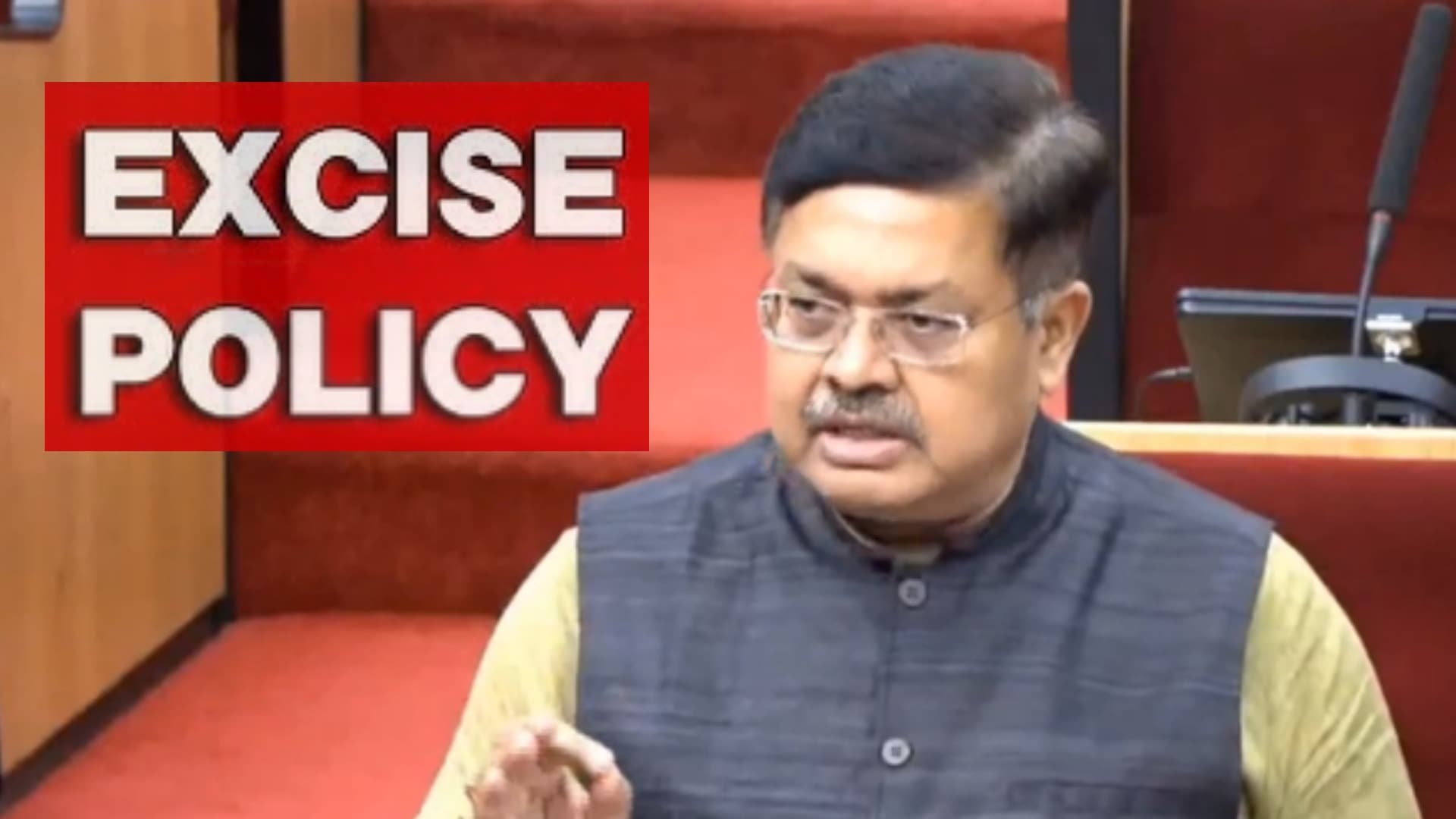
Odisha unveils three‑year excise policy with de‑addiction cess, stricter licensing, modernization of units, Track & Trace monitoring, and bans on new liquor shops near temples and rural areas.
Bhubaneswar, Mar 26: The Odisha government has announced a new three‑year excise policy, effective from April 1, 2026 to March 31, 2029, or until a revised policy is introduced.
This marks a significant shift from the earlier annual excise policy, aiming to bring greater stability, transparency, and predictability to the sector.

📱 Get Argus News App
✨One of the most notable provisions is the introduction of a
0.5% de‑addiction cess on excise duty, acknowledging alcohol as
a harmful substance. Revenue generated from this cess will be used to establish
and strengthen model de‑addiction centres across the state.
Also Read: MLAs’ Salary Hike Bill to be Withdrawn! Odisha Assembly Witnesses Shocking Disclosures
The policy also mandates a 10% increase in application fees for various excise licenses, while license fees will rise annually by 10-20%. Excise duty on IMFL (Indian Made Foreign Liquor) and country liquor (CL) has also been revised upward.
A major structural reform replaces the Minimum Guaranteed Quantity (MGQ) system with the Minimum Guaranteed Excise Revenue (MGER) framework. This ensures government revenue security while reducing pressure on traders to push sales merely to meet quantity targets, thereby curbing unhealthy practices like “forced sales.”
The policy strictly prohibits opening new OFF, CL, or OS shops in the state. In rural areas, new ON shops will not be permitted, except in industrial zones where three‑star and above hotels and clubs may be allowed. Respecting cultural and religious sentiments, no excise outlets will be permitted near the Jagannath Temple in Puri or along the Bada Danda. Home delivery of liquor has also been banned.
Out‑Still (OS) production units must undergo modernization, adopt improved packaging, and install quality control equipment. Compliance with FSSAI certification and pollution control norms has been made mandatory. Units completing modernization within the stipulated timeframe will receive incentives.
To strengthen monitoring, the government will implement a
Track & Trace system to monitor ENA (Extra Neutral Alcohol) movement and
track every bottle from production to sale. All production units and retail
shops will be brought under CCTV surveillance, linked to the Excise
Commissioner’s office and district offices.
Also Read: Odisha Cancels 65,000 Driving Licenses; Collects ₹216 Crore Fines
Additionally, state excise chemical laboratories will be
upgraded with modern technology and skilled manpower to ensure quality testing
and enforcement.
Related Topics
Explore more stories