



Blood Moon 2025: India Set for a Stunning Lunar Eclipse on September 7-8
Key Points
Total lunar eclipse visible across India from 8:58 pm on September 7 to 2:25 am on September 8.
Blood Moon phase lasts 82 minutes, turning the Moon a vivid red-orange. Spiritual significance during Pitru Paksha; Sutak rituals observed nationwide.
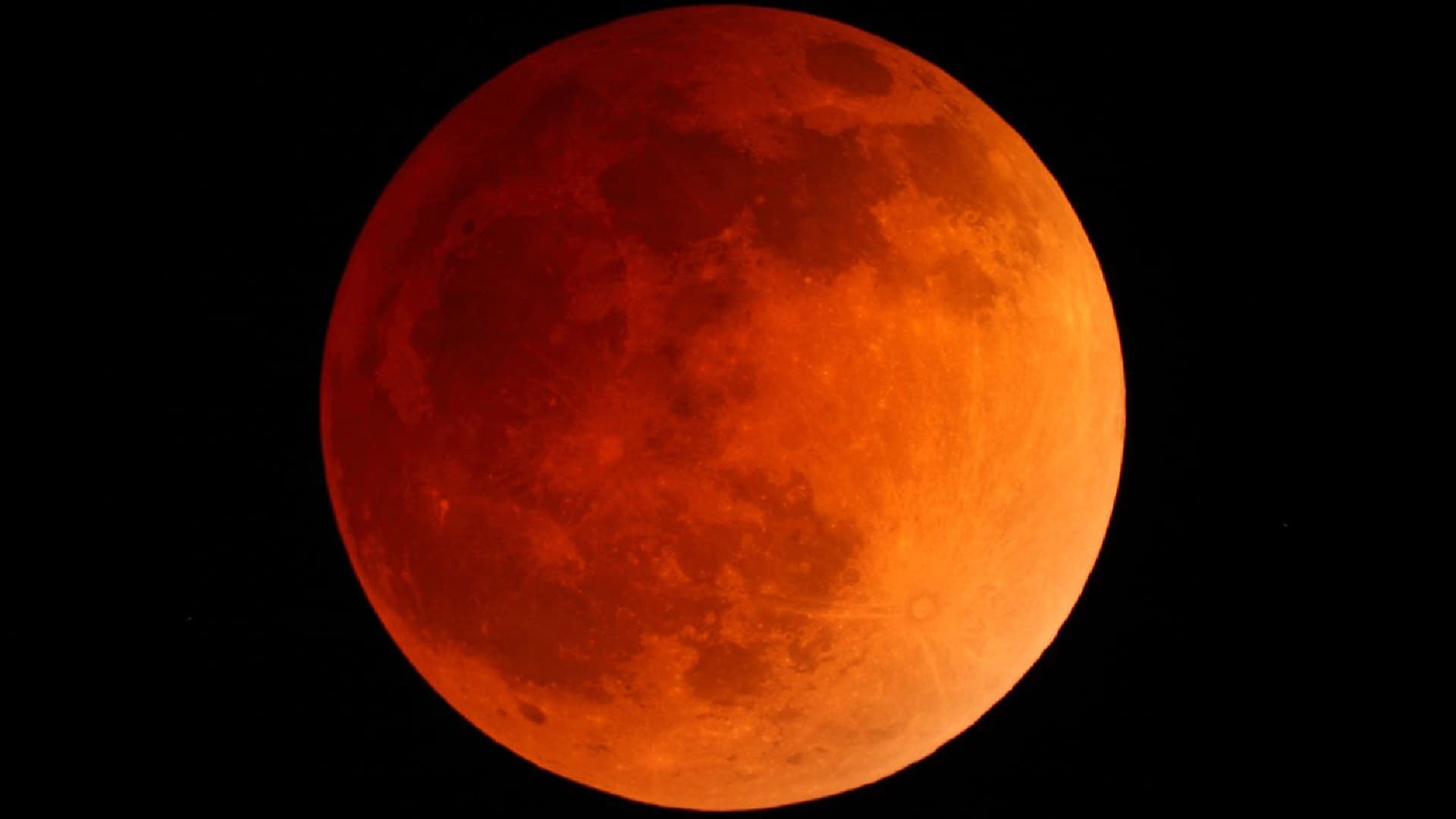
Bhubaneswar, Sep 6: Skywatchers across India and much of the Eastern Hemisphere are in for a rare treat as a total lunar eclipse — popularly known as the “Blood Moon” — will illuminate the night sky on September 7-8.
This will be the second and final lunar eclipse of the year, and one of the most widely visible in recent history, with over 77% of the world’s population able to witness it.

📱 Get Argus News App
✨The eclipse begins with a penumbral phase at 8:58 pm IST on Sunday, followed by a partial eclipse at 9:57 pm. The Moon will enter totality at 11:00 pm, glowing a deep red-orange hue until 12:22 am IST on Monday. The entire event concludes at 2:25 am (September 8).
This phenomenon occurs when the Earth moves directly between the Sun and the Moon, casting its shadow on the lunar surface. The reddish glow — caused by sunlight filtering through Earth’s atmosphere — is what gives the Blood Moon its name.
India will enjoy full visibility of the eclipse, with cities like Bengaluru, Hyderabad, and Kolkata offering ideal viewing conditions. No special equipment is needed, making it accessible to all. However, binoculars or telescopes can enhance the experience for enthusiasts and photographers.
Coinciding with Pitru Paksha, a sacred period in Hindu tradition, the eclipse holds spiritual significance. Many observe fasting and refrain from auspicious activities during the Sutak period, which begins nine hours before the eclipse.
Shree Jagannath Temple Ritual Timings
The ritual timings for the September 7 lunar eclipse at the Shree Jagannath Temple in Puri was approved in the Chhatisha Nijog Committee meeting held on Tuesday (September 2).
On September 7, the doors of Shreemandir will open at 2:00 am, followed by Mangala Arati at 2:40 am. All rituals are scheduled to conclude by 12:30 pm, the Puri District Collector Dibya Jyoti Parida said after the meeting.
The meeting approved the detailed “Nitikanti” (rituals) for the eclipse day, including the sacred Mahasnana (ritual bath) to be performed after the eclipse touch. The schedule ensures that all religious observances are completed in a timely and disciplined manner.
How Lunar Eclipses Occur?
A lunar eclipse happens when the Earth moves directly between the Sun and the Moon, casting its shadow on the Moon. This can only occur during a full moon, when the Sun, Earth, and Moon are aligned in a straight line.
Types of Lunar
Eclipses:
Penumbral Eclipse: The Moon passes through Earth's faint outer shadow (penumbra), causing a subtle dimming.
Partial Eclipse: Only part of the Moon enters Earth's darker central shadow (umbra), making it look like a “bite” has been taken out.
Total Eclipse (Blood Moon): The entire Moon is engulfed in the umbra, turning a reddish-orange due to Rayleigh scattering (scattering of light by particles much smaller than its wavelength, which causes the blue colour of the sky) — the same effect that makes sunsets red.
Why Don’t Lunar Eclipses Happen Every Month?
The Moon’s orbit is tilted about 5 degrees relative to Earth’s orbit around the Sun. So, most months, the Moon passes slightly above or below Earth’s shadow. Eclipses only happen when the Moon crosses the lunar nodes — points where its orbit intersects Earth’s orbital plane.
Nevertheless, whether you're a stargazer, spiritual
observer, or casual skywatcher, this Blood Moon promises a mesmerizing night of
cosmic wonder.