



Politics / “Women’s Rights at Stake, Amit Shah Slams Opposition Over Delimitation and Reservation”
·5 months ago·2 min read
Key Points
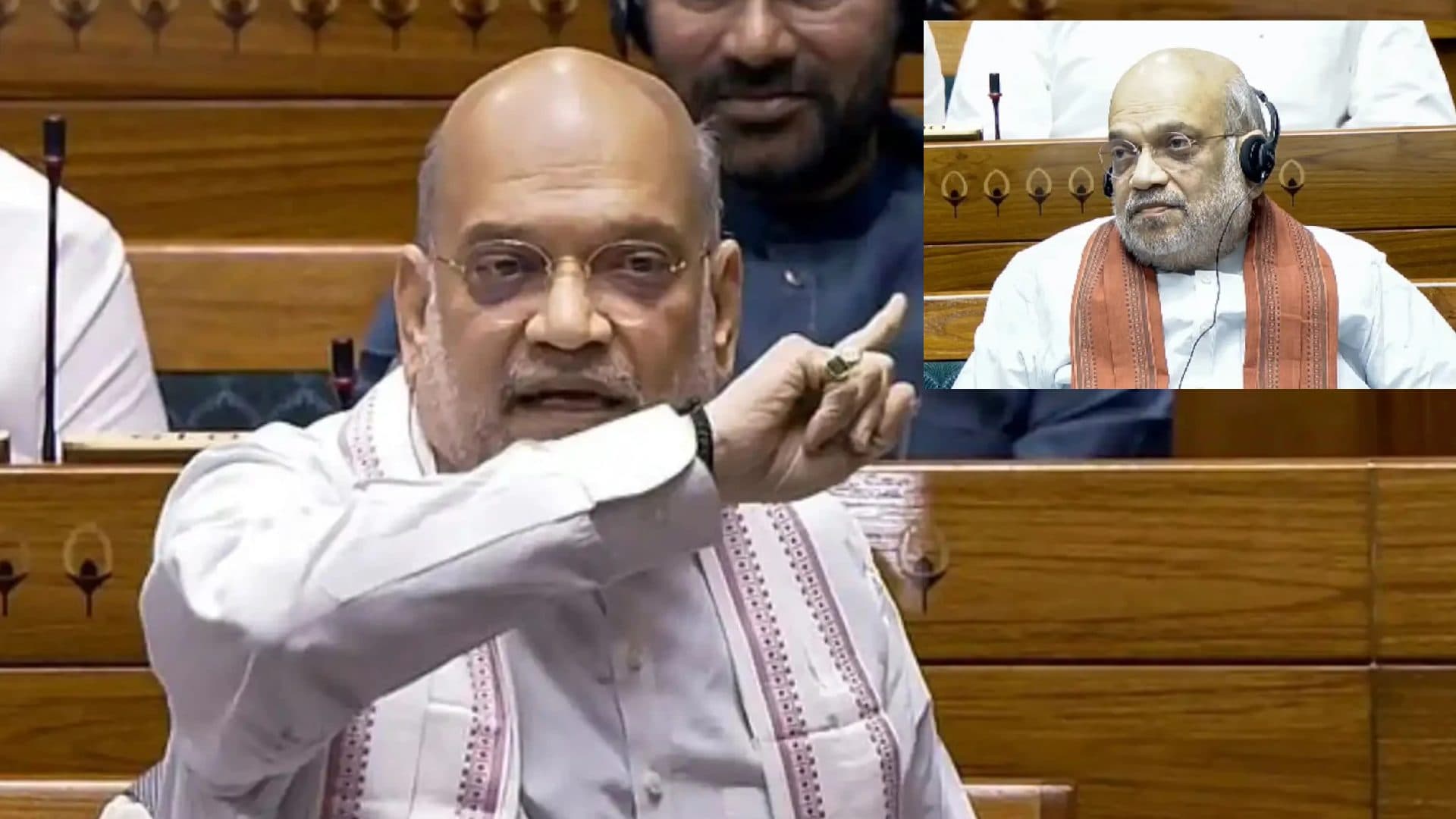
Home Minister Amit Shah gave a fiery speech, defending delimitation and women’s reservation, but the Constitutional Amendment Bill fell short in the Lok Sabha.
New Delhi, Apr 17:The Lok Sabha on Friday witnessed a dramatic defeat of the Constitution (131st Amendment) Bill, which sought to expand the number of seats and implement one-third reservation for women in legislatures beginning in 2029. The Bill secured 298 votes in favour but fell short of the two-thirds majority required, leaving the government 54 votes behind.
Home Minister Amit Shah delivered a detailed speech before the vote, strongly defending the need for delimitation and linking it to equitable representation. He argued that population growth must be reflected in seat distribution, stressing that opposing delimitation indirectly meant opposing increased representation for Scheduled Castes and Scheduled Tribes. Shah highlighted constitutional provisions under Articles 81, 82, and 170, which mandate adjustments in representation based on demographic changes.
Shah also reminded the House of historical precedents, noting that seat expansion was last undertaken in the 1970s before being frozen during the Emergency. He said the freeze had lasted from 1976 until 2026, and now was the time to update representation to make democracy more balanced and effective. He explained that delimitation was not merely about adding seats but also about ensuring fair representation across states, considering factors like urbanisation, connectivity, and new administrative units.
Also Read: Union Home Minister Amit Shah Slams INDIA Bloc Over Women’s Reservation Roadblocks
Home Minister Amit Shah delivered a detailed speech before the vote, strongly defending the need for delimitation and linking it to equitable representation. He argued that population growth must be reflected in seat distribution, stressing that opposing delimitation indirectly meant opposing increased representation for Scheduled Castes and Scheduled Tribes. Shah highlighted constitutional provisions under Articles 81, 82, and 170, which mandate adjustments in representation based on demographic changes.
Shah also reminded the House of historical precedents, noting that seat expansion was last undertaken in the 1970s before being frozen during the Emergency. He said the freeze had lasted from 1976 until 2026, and now was the time to update representation to make democracy more balanced and effective. He explained that delimitation was not merely about adding seats but also about ensuring fair representation across states, considering factors like urbanisation, connectivity, and new administrative units.
Also Read: Union Home Minister Amit Shah Slams INDIA Bloc Over Women’s Reservation Roadblocks

📱 Get Argus News App
✨📰 60 Word News🎬 Argus Podcast📺 Live TV and Breaking News🔔 Free Notification Alerts
Download Free:
The opposition, however, accused the government of using women’s empowerment as a political cover to benefit northern states with higher population growth, potentially disadvantaging southern states that have stabilised their demographics. They argued that linking women’s reservation to delimitation was a calculated move to shift political power.
Following Shah’s speech, the Bill was put to vote but failed to pass. With only 298 votes in favour, the NDA fell short of the required majority. Parliamentary Affairs Minister Kiren Rijiju later confirmed that related proposals, including the Delimitation Bill and extending women’s quota to Union Territories, would not be taken up after the setback.
The defeat underscores the deep political divisions over balancing regional representation with gender justice. For women aspiring to enter legislatures, the wait for guaranteed representation has once again been extended, leaving one of India’s most significant reforms in limbo.
Following Shah’s speech, the Bill was put to vote but failed to pass. With only 298 votes in favour, the NDA fell short of the required majority. Parliamentary Affairs Minister Kiren Rijiju later confirmed that related proposals, including the Delimitation Bill and extending women’s quota to Union Territories, would not be taken up after the setback.
The defeat underscores the deep political divisions over balancing regional representation with gender justice. For women aspiring to enter legislatures, the wait for guaranteed representation has once again been extended, leaving one of India’s most significant reforms in limbo.
Related Topics
Explore more stories