



Parliament / Women’s Reservation Fast-Tracked: Special Parliament Session to Decide Quotas by 2029
·5 months ago·3 min read
Key Points
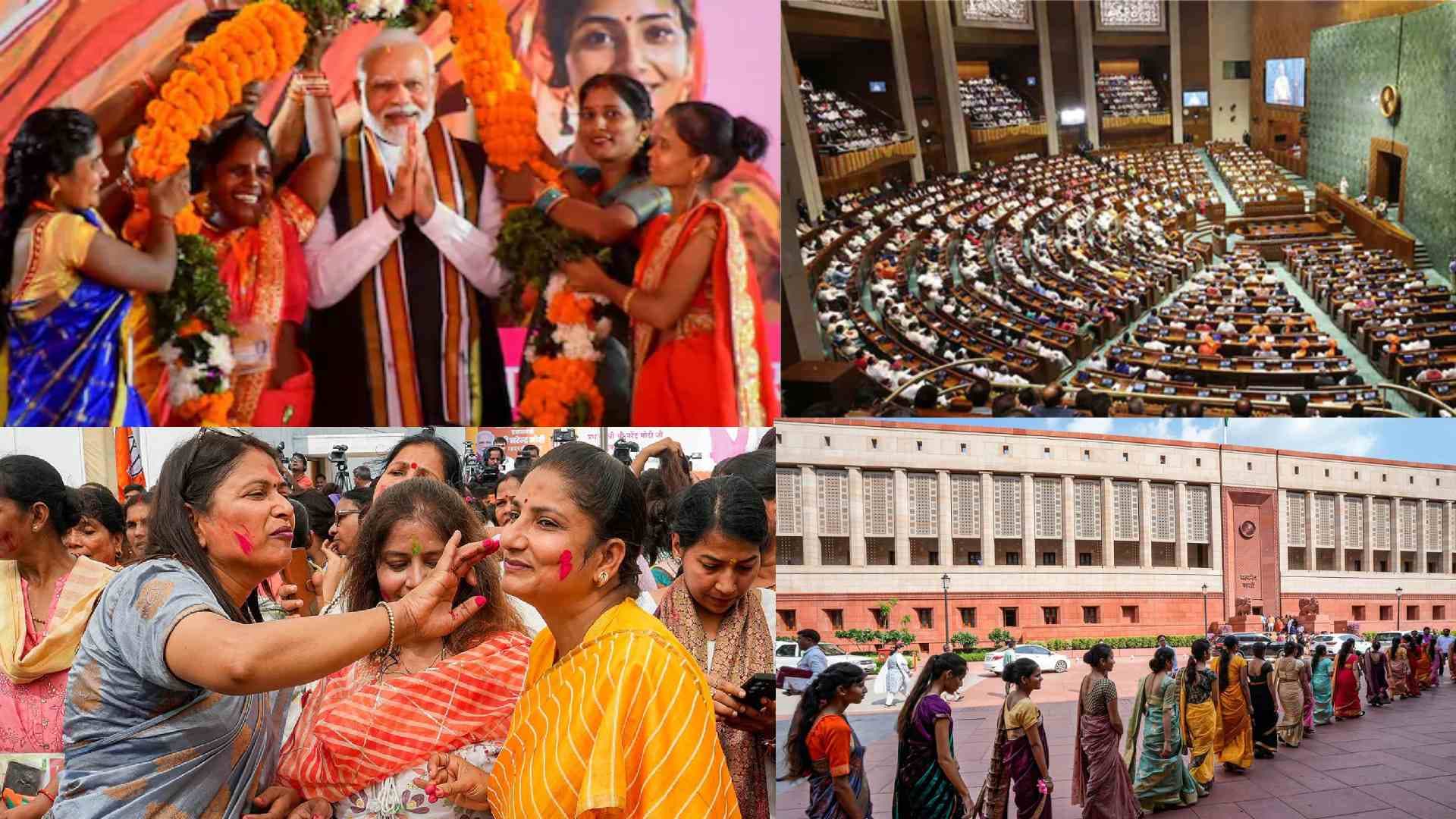
A special three-day Parliament session from April 16–18 will debate key amendments to the Nari Shakti Vandan Adhiniyam, aiming to fast-track women’s reservation in Lok Sabha and state assemblies by 2029. The government plans to expand seats and delink quotas from the pending Census to ensure timely implementation.
New Delhi, Apr 12: A three-day special session of Parliament from April 16 to 18 is set to take up crucial amendments to the women’s reservation law, with the government aiming to implement quotas from the 2029 general elections. The BJP has issued a three-line whip, making attendance mandatory for its MPs, signaling the importance of the legislation.
The session will focus on proposed changes to the Nari Shakti Vandan Adhiniyam, enacted in 2023 to provide 33% reservation for women in the Lok Sabha and state assemblies. Under the current law, implementation was linked to a future Census and delimitation exercise, which would have delayed rollout until at least 2034.
To bypass this delay, the government plans to amend the law by delinking it from the pending Census. A draft amendment bill cleared by the Union Cabinet proposes to expand the Lok Sabha from 543 to 816 seats, reserving 273 for women. The reservation will follow a vertical model, ensuring quotas within Scheduled Castes (SC) and Scheduled Tribes (ST) categories. Constituency boundaries are expected to be redrawn based on the 2011 Census instead of waiting for fresh data, allowing reservation to be in place by 2029.
The legislative package includes a Constitution Amendment Bill to tweak the 2023 Act, a Delimitation Bill in 2026, and a separate law to extend quotas to Union Territories. The plan involves expanding seats across legislatures by around 50%, creating space for women’s reservation without cutting existing constituencies.
The session will focus on proposed changes to the Nari Shakti Vandan Adhiniyam, enacted in 2023 to provide 33% reservation for women in the Lok Sabha and state assemblies. Under the current law, implementation was linked to a future Census and delimitation exercise, which would have delayed rollout until at least 2034.
To bypass this delay, the government plans to amend the law by delinking it from the pending Census. A draft amendment bill cleared by the Union Cabinet proposes to expand the Lok Sabha from 543 to 816 seats, reserving 273 for women. The reservation will follow a vertical model, ensuring quotas within Scheduled Castes (SC) and Scheduled Tribes (ST) categories. Constituency boundaries are expected to be redrawn based on the 2011 Census instead of waiting for fresh data, allowing reservation to be in place by 2029.
The legislative package includes a Constitution Amendment Bill to tweak the 2023 Act, a Delimitation Bill in 2026, and a separate law to extend quotas to Union Territories. The plan involves expanding seats across legislatures by around 50%, creating space for women’s reservation without cutting existing constituencies.

📱 Get Argus News App
✨📰 60 Word News🎬 Argus Podcast📺 Live TV and Breaking News🔔 Free Notification Alerts
Download Free:
Prime Minister Narendra Modi, in a letter to floor leaders, urged support, stating, “The time has now come to implement the Nari Shakti Vandan Adhiniyam in its true spirit.”
Opposition parties, however, have raised concerns. Congress president Mallikarjun Kharge criticized the timing and lack of consultation, demanding an all-party meeting. He also questioned holding the session amid ongoing state elections, suggesting it could be politically motivated.
Also Read: BJP Issues Whip for MPs Ahead of 3-day Special Parliament Session from April 16
The amendment bill is expected to be introduced and passed during the special session. Given that constitutional amendments require a two-thirds majority in both Houses, the government will need Opposition support.
If passed, the changes would mark the first major expansion of Lok Sabha seats in decades and pave the way for implementing one-third reservation for women in Parliament and state assemblies from 2029 — a landmark step in India’s political history.
Opposition parties, however, have raised concerns. Congress president Mallikarjun Kharge criticized the timing and lack of consultation, demanding an all-party meeting. He also questioned holding the session amid ongoing state elections, suggesting it could be politically motivated.
Also Read: BJP Issues Whip for MPs Ahead of 3-day Special Parliament Session from April 16
The amendment bill is expected to be introduced and passed during the special session. Given that constitutional amendments require a two-thirds majority in both Houses, the government will need Opposition support.
If passed, the changes would mark the first major expansion of Lok Sabha seats in decades and pave the way for implementing one-third reservation for women in Parliament and state assemblies from 2029 — a landmark step in India’s political history.
Related Topics
Explore more stories