



Politics / Women’s Quota Bill Falls Short in Lok Sabha Vote
·5 months ago·3 min read
Key Points
The Constitution (131st Amendment) Bill seeking one-third reservation for women in legislatures failed in the Lok Sabha, falling short of the two-thirds majority. The defeat leaves the future of gender representation reforms uncertain.
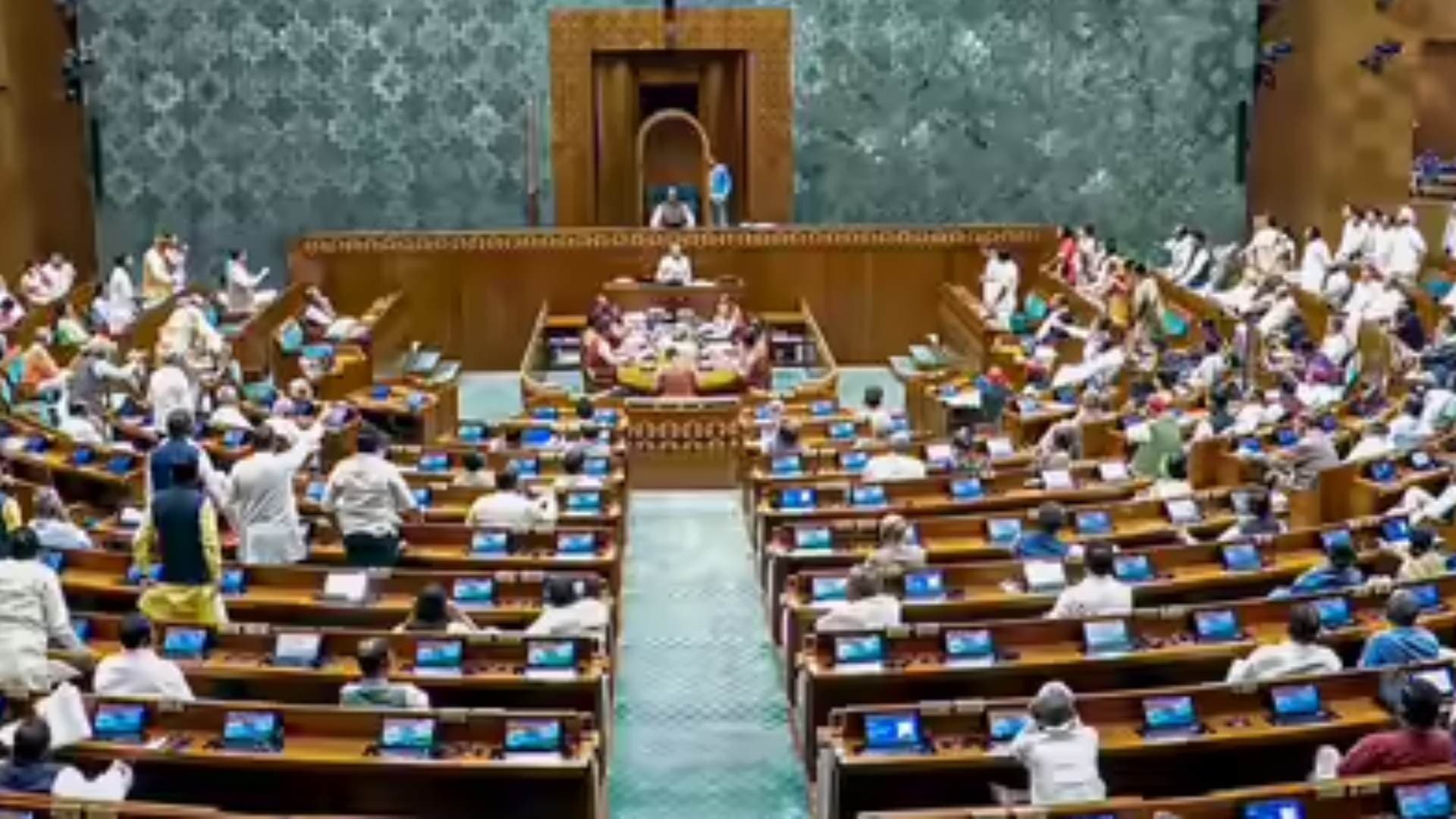
New Delhi, Apr 17: The Lok Sabha on Friday witnessed a dramatic setback for one of India’s most anticipated reforms, as the Constitution (131st Amendment) Bill failed to secure the required two-thirds majority. The Bill, which sought to expand the number of seats in the Lok Sabha and operationalise one-third reservation for women beginning in 2029, garnered 298 votes in favour and 230 against, falling short of the constitutional threshold.
The proposal was ambitious in scope. It aimed to increase the Lok Sabha’s strength from 543 to 850 seats, a move tied to the long-delayed delimitation exercise that would redraw electoral boundaries based on population changes. Alongside this, the Bill sought to implement the 33 per cent quota for women in the Lok Sabha and state Assemblies, a reform promised but repeatedly deferred until after delimitation.
The government argued that expansion and redistribution of seats were necessary to correct the imbalance between voters and representatives, a gap that has widened since boundaries were frozen based on the 1971 Census. Prime Minister Narendra Modi and Home Minister Amit Shah strongly backed the Bill, warning that women across the country would closely watch the opposition’s stance. Shah accused the Congress of historically blocking delimitation and claimed the party was once again depriving citizens of fair representation.
Opposition parties, however, countered that the government was using women’s empowerment as a cover for a political manoeuvre that would benefit northern states with higher population growth at the expense of southern states, which have stabilised their demographics. They argued that linking women’s reservation to delimitation was a calculated move to shift political power.
The proposal was ambitious in scope. It aimed to increase the Lok Sabha’s strength from 543 to 850 seats, a move tied to the long-delayed delimitation exercise that would redraw electoral boundaries based on population changes. Alongside this, the Bill sought to implement the 33 per cent quota for women in the Lok Sabha and state Assemblies, a reform promised but repeatedly deferred until after delimitation.
The government argued that expansion and redistribution of seats were necessary to correct the imbalance between voters and representatives, a gap that has widened since boundaries were frozen based on the 1971 Census. Prime Minister Narendra Modi and Home Minister Amit Shah strongly backed the Bill, warning that women across the country would closely watch the opposition’s stance. Shah accused the Congress of historically blocking delimitation and claimed the party was once again depriving citizens of fair representation.
Opposition parties, however, countered that the government was using women’s empowerment as a cover for a political manoeuvre that would benefit northern states with higher population growth at the expense of southern states, which have stabilised their demographics. They argued that linking women’s reservation to delimitation was a calculated move to shift political power.

📱 Get Argus News App
✨📰 60 Word News🎬 Argus Podcast📺 Live TV and Breaking News🔔 Free Notification Alerts
Download Free:
The defeat also meant that two related proposals-the Delimitation Bill and the amendment to extend women’s quota to Union Territories-would not be taken up. Parliamentary Affairs Minister Kiren Rijiju confirmed that the government would not move forward with them after the setback.
For many observers, the rejection underscored deep political fault lines over how India should balance regional representation while advancing gender equality. While the constitutional framework for women’s quota was laid down in 2023, its implementation was tied to delimitation. With this defeat, the timeline has been pushed further into uncertainty.
The outcome marks a rare legislative reversal for the Modi government and a moment of triumph for the opposition. Yet for women aspiring to enter legislatures, the wait for guaranteed representation has once again been extended, leaving one of the most significant reforms of recent years
For many observers, the rejection underscored deep political fault lines over how India should balance regional representation while advancing gender equality. While the constitutional framework for women’s quota was laid down in 2023, its implementation was tied to delimitation. With this defeat, the timeline has been pushed further into uncertainty.
The outcome marks a rare legislative reversal for the Modi government and a moment of triumph for the opposition. Yet for women aspiring to enter legislatures, the wait for guaranteed representation has once again been extended, leaving one of the most significant reforms of recent years
Related Topics
Explore more stories