



Explained / What the New Four Labour Codes Mean for Workers and Employers
·10 months ago·2 min read
Key Points
- Government merges 29 labour laws into four simplified Labour Codes for easier compliance.
- Workers gain universal minimum wages, appointment letters, expanded social security and new protections.
- Businesses benefit from single registration, reduced paperwork and a shift from inspection to compliance facilitation.
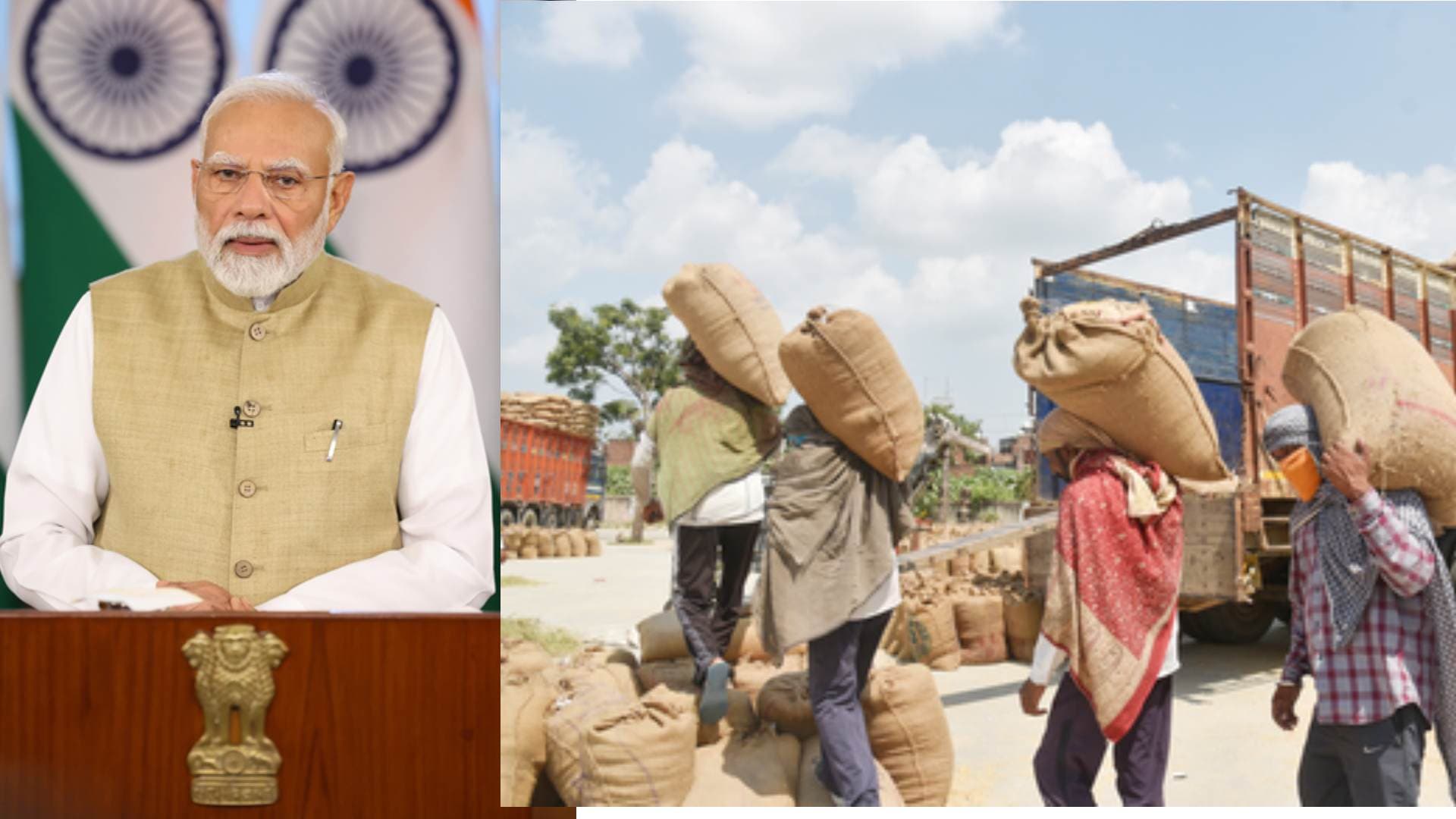
New Delhi, Nov 21: Prime Minister Narendra Modi on Friday called the implementation of the Four Labour Codes “one of the most progressive labour reforms since Independence,” saying the new system empowers workers, simplifies rules for businesses and strengthens India’s move towards a “Viksit Bharat”.
What are the Four Labour Codes?
From November 21, the government has merged 29 labour laws into four simplified codes:
Code on Wages (2019)
Industrial Relations Code (2020)
Code on Social Security (2020)
Occupational Safety, Health & Working Conditions Code (2020)
What are the Four Labour Codes?
From November 21, the government has merged 29 labour laws into four simplified codes:
Code on Wages (2019)
Industrial Relations Code (2020)
Code on Social Security (2020)
Occupational Safety, Health & Working Conditions Code (2020)

📱 Get Argus News App
✨📰 60 Word News🎬 Argus Podcast📺 Live TV and Breaking News🔔 Free Notification Alerts
Download Free:
These laws aim to make labour rules easier to understand and implement for both workers and employers.
What changes for workers?
1. Appointment letters for all workers
Every employee must now receive a written appointment letter, ensuring job clarity and transparency.
2. Minimum wages for everyone
All workers now have a legal right to minimum wages, timely salaries and protection from unfair deductions. Earlier, minimum wages applied to only certain industries.
3. Universal social security
Benefits like PF, ESIC and insurance will extend to:
Workers in small establishments
Gig and platform workers
Workers in hazardous occupations
This brings unorganised workers into the safety net.
4. Free annual health check-up
Workers above 40 are entitled to a free yearly medical check-up to encourage preventive healthcare.
What changes for workers?
1. Appointment letters for all workers
Every employee must now receive a written appointment letter, ensuring job clarity and transparency.
2. Minimum wages for everyone
All workers now have a legal right to minimum wages, timely salaries and protection from unfair deductions. Earlier, minimum wages applied to only certain industries.
3. Universal social security
Benefits like PF, ESIC and insurance will extend to:
Workers in small establishments
Gig and platform workers
Workers in hazardous occupations
This brings unorganised workers into the safety net.
4. Free annual health check-up
Workers above 40 are entitled to a free yearly medical check-up to encourage preventive healthcare.
5. Women can work night shifts
Women can legally work in any occupation and during night hours with their consent and required safety measures. This opens more opportunities in higher-paying roles.
What changes for employers?
Single registration and simpler compliance
Businesses will no longer need multiple licences and returns. One registration and one return will apply nationwide, reducing paperwork.
Inspector becomes “Facilitator”
Labour inspectors will now guide and support compliance before taking penal action. Small, first-time offences may attract penalties instead of imprisonment.
Also Read: Explained: Four Amendments To Income Tax Act To Be Applicable In FY26
Why does the government say it matters?
The government argues that the Codes:
Increase worker protection
Make rules easier to follow
Encourage job creation and investment
Modernise India’s labour system for the changing economy
While successful implementation will depend on coordination with states, the new Labour Codes mark one of the biggest restructurings of labour laws in independent India.
(IANS)
Women can legally work in any occupation and during night hours with their consent and required safety measures. This opens more opportunities in higher-paying roles.
What changes for employers?
Single registration and simpler compliance
Businesses will no longer need multiple licences and returns. One registration and one return will apply nationwide, reducing paperwork.
Inspector becomes “Facilitator”
Labour inspectors will now guide and support compliance before taking penal action. Small, first-time offences may attract penalties instead of imprisonment.
Also Read: Explained: Four Amendments To Income Tax Act To Be Applicable In FY26
Why does the government say it matters?
The government argues that the Codes:
Increase worker protection
Make rules easier to follow
Encourage job creation and investment
Modernise India’s labour system for the changing economy
While successful implementation will depend on coordination with states, the new Labour Codes mark one of the biggest restructurings of labour laws in independent India.
(IANS)
Related Topics
Explore more stories