



Organic Farming / UP Govt to Buy Cow Urine at ₹10 Per Litre from Farmers
Key Points
UP government launches a pilot project to buy cow urine at ₹10 per litre, engaging 300 women, promoting organic farming, and producing herbal medicines for farmers across 15 villages.
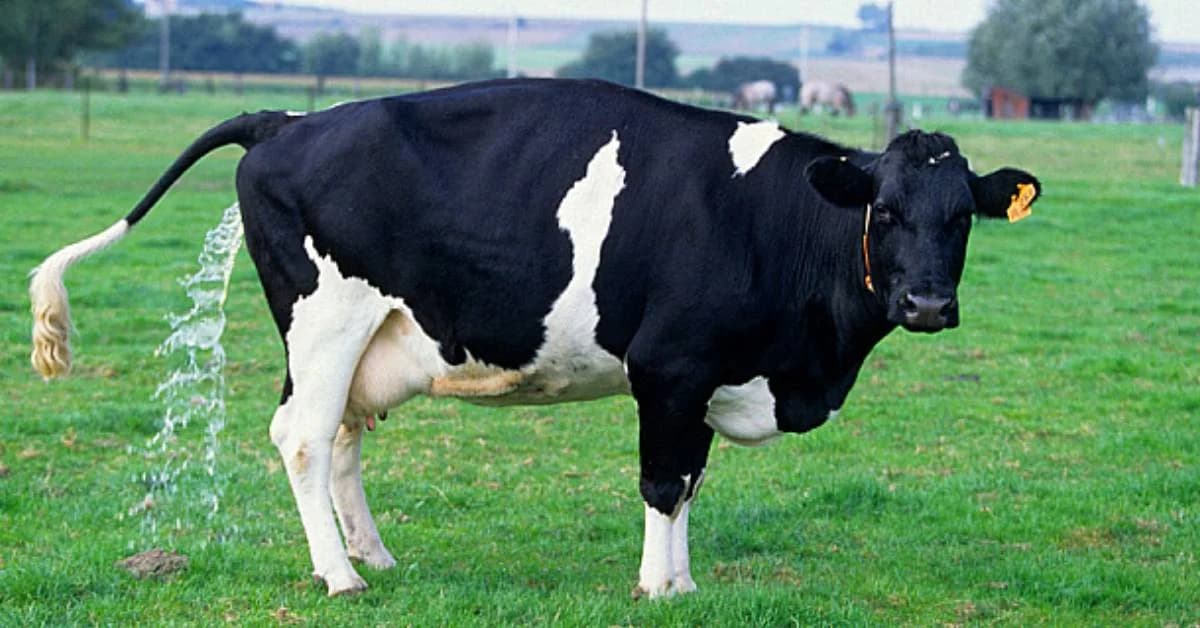
Lucknow, Aug 10: In a unique initiative combining cow protection, organic farming, and women’s empowerment, the Uttar Pradesh government has launched a pilot project to purchase cow urine from farmers.
Under the scheme, farmers will be paid ₹10 per liter of cow urine, which will then be processed into herbal medicines and organic farming inputs.
The pilot project has begun in Bulandshahr district, spearheaded by Dr. Praveen and his Farmer Producer Organization (FPO) in Narasaina village under Syana tehsil.
Also read: Odisha Farmers to Get AgriStack ID Cards to Simplify Paddy Sales and Subsidy Access

📱 Get Argus News App
✨The FPO has linked 15 villages to the scheme, setting up local collection centres and cow urine dairies. Each day, around 500 litres of cow urine will be collected. Plans are underway to increase the procurement rate to ₹20 per litre in the future.
To simplify collection, 200-liter tanks will be placed in villages, allowing farmers to deposit cow urine without traveling long distances. This decentralized system will also make it easier to involve rural women.
Around 300 women are expected to be engaged in the project, earning commissions for their role in collection and distribution.
The collected cow urine will be blended with medicinal herbs to produce chemical-free medicines and organic farming solutions.
These products will be distributed to farmers through cooperative societies, promoting sustainable agriculture while generating rural employment.
Chief Minister Yogi Adityanath has emphasized that the project reflects the government’s commitment to cow protection, organic farming, and women’s empowerment.
If successful, the pilot will be expanded across Uttar Pradesh, creating a new model of rural livelihood and eco-friendly farming practices.
This initiative is expected to provide farmers with an
additional source of income, empower women through participation, and encourage
a shift towards organic agriculture in the state.
Related Topics
Explore more stories