



The India-Iran Bridge: From Silk Roads to Strategic Roads
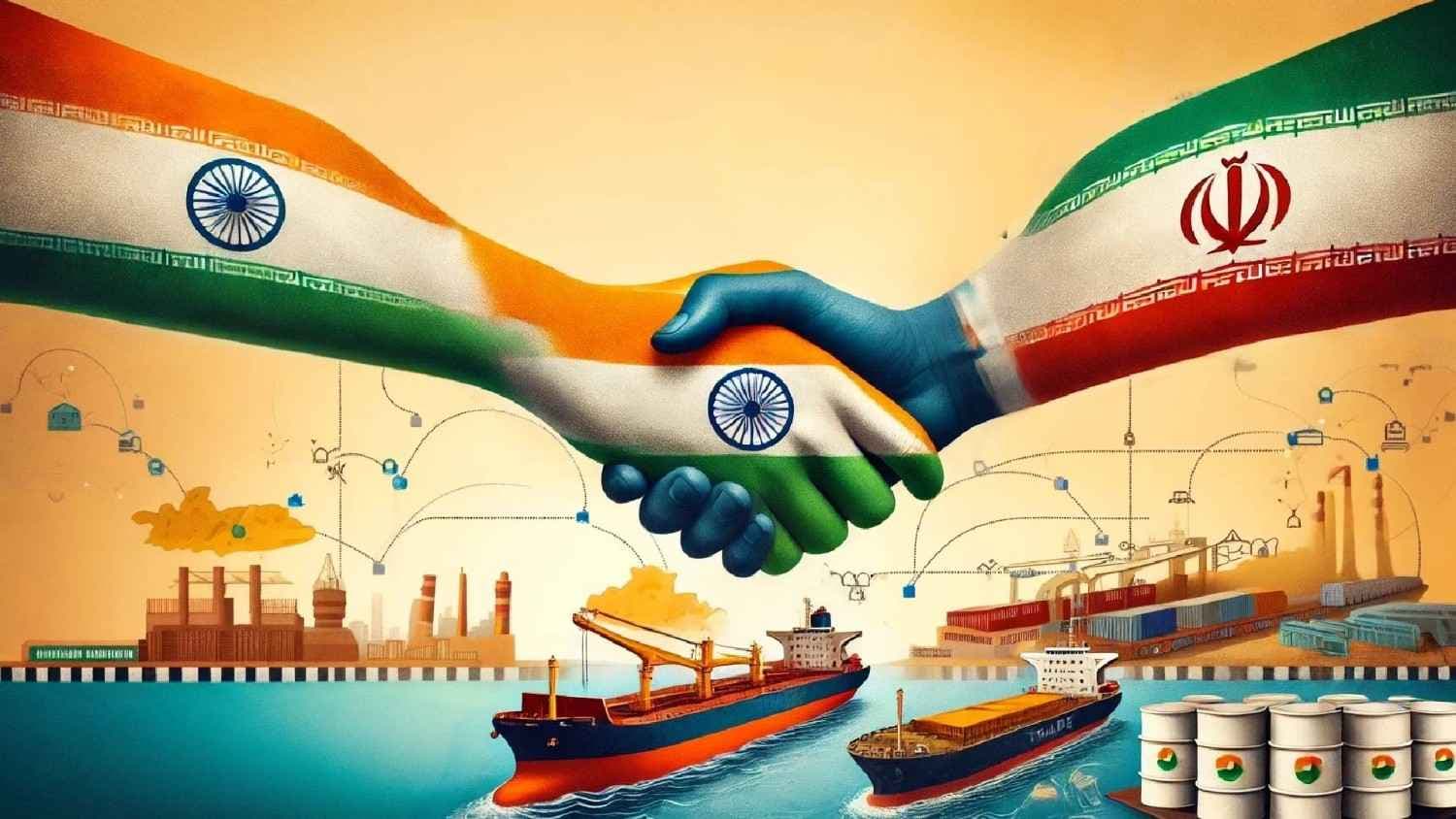
Key Points
Chabahar Port strengthens India’s access to Central Asia and Afghanistan.
Energy and Trade form the backbone of economic cooperation.
Cultural and Historical Ties enrich diplomatic and people-to-people relations.
Bhubaneswar, Jun 24: India and Iran share a deep-rooted relationship that spans centuries, shaped by cultural, linguistic, and economic ties. From ancient trade routes connecting the Indus Valley and Persia to modern strategic cooperation, the two nations have consistently found common ground.
Diplomatic relations were formally established in 1950, but the partnership gained momentum in the 21st century with the signing of the Tehran Declaration (2001) and the New Delhi Declaration (2003). These agreements laid the foundation for collaboration in energy, trade, regional security, and connectivity.
A cornerstone of this partnership is the Chabahar Port, which India is developing to gain direct access to Afghanistan and Central Asia, bypassing Pakistan. This project is a vital component of the International North-South Transport Corridor (INSTC), enhancing India’s regional outreach and trade potential.
Energy cooperation has also been pivotal. Iran was once among India’s top crude oil suppliers, and while US sanctions disrupted this flow, both countries have explored alternative trade mechanisms. India exports pharmaceuticals, rice, and machinery to Iran, while importing dry fruits, chemicals, and minerals.
Culturally, the Persian influence on Indian art, language, and architecture is profound. People-to-people ties remain strong, with academic exchanges and tourism fostering mutual understanding.
THE RELATION HISTORY
India and Iran share a rich and layered relationship that stretches back thousands of years, shaped by geography, culture, trade, and strategic interests. Here's a detailed look at the evolution of their ties:
Ancient and Medieval Ties
Civilizational Links: The Indus Valley and ancient Persia were connected through trade and cultural exchanges. Persian influence is deeply embedded in Indian art, architecture, language (especially Urdu), and literature.
Medieval Era: Persian was the court language during the Delhi Sultanate and Mughal Empire. Scholars, poets, and artists frequently traveled between the two regions, enriching both cultures.
Independence Diplomatic Relations
1950: India and Iran formally established diplomatic relations. Despite the Partition, cultural and economic ties remained intact.
Cold War Period: Relations were cautious. India leaned toward the Soviet Union, while Iran, under the Shah, was aligned with the US-led Western bloc.
Post-1979 Islamic Revolution
India initially viewed the revolution with concern, but relations stabilized. However, Iran’s support for Pakistan during the India-Pakistan conflicts and India’s ties with Iraq during the Iran-Iraq War created friction.
Strategic Convergence in the 1990s and 2000s
Afghanistan: Both countries supported the Northern Alliance against the Taliban.
2001 Tehran Declaration & 2003 New Delhi Declaration: These agreements laid the foundation for a strategic partnership, focusing on energy, trade, and regional security.
Energy and Economic Cooperation
Major Trades: Iran was once India’s second-largest oil supplier. Trade included Indian exports like pharmaceuticals and rice, and imports like dry fruits and chemicals.
Chabahar Port: A flagship project allowing India access to Afghanistan and Central Asia, bypassing Pakistan. It’s also a counterweight to China’s Gwadar Port in Pakistan.
Recent Developments
Sanctions and Setbacks: US sanctions on Iran disrupted oil trade and slowed progress on joint infrastructure projects.
2024: India signed a 10-year agreement to develop Chabahar Port, reaffirming long-term commitment.
2025: Amid regional tensions, Iran opened its airspace to India for evacuation efforts, highlighting trust and cooperation.
THE RELATION BENEFITS
India and Iran enjoy a multifaceted relationship that delivers strategic, economic, and geopolitical benefits to both nations. Here's a breakdown of the key advantages and economic impact:
Benefits to India
Energy Security: Iran has historically been a major supplier of crude oil to India, offering favorable terms like extended credit and discounted prices. Though sanctions disrupted this, India still views Iran as a vital energy partner.
Strategic Connectivity: The development of the Chabahar Port gives India direct access to Afghanistan and Central Asia, bypassing Pakistan. This enhances trade and strengthens India’s regional influence.
Market Access: Iran is a significant market for Indian exports such as rice, tea, pharmaceuticals, and chemicals. In FY23, India’s exports to Iran were valued at over $1.2 billion.
Benefits to Iran
Economic Diversification: India provides Iran with a large and stable market for its non-oil exports, including dry fruits, chemicals, and minerals.
Investment and Infrastructure: Indian investment in Chabahar and other infrastructure projects supports Iran’s economic development and regional trade ambitions.
Diplomatic Leverage: Strong ties with India help Iran balance its foreign policy, especially amid Western sanctions and regional tensions.
ECONOMIC IMPACT
Bilateral Trade: The trade volume between India and Iran reached $2.33 billion in FY23, with potential for significant growth if sanctions ease.
Inflation Sensitivity: Disruptions in oil imports from Iran can impact India’s fuel prices and inflation, as India imports over 85% of its crude oil needs.
Regional Stability and Growth: Joint efforts in connectivity projects like the International North-South Transport Corridor (INSTC) can boost trade across Asia and reduce logistics costs.
CONCLUSION

📱 Get Argus News App
✨
In essence, the India-Iran relationship is a strategic asset for both countries—fuelling economic growth, enhancing connectivity, and reinforcing regional stability.
Despite occasional geopolitical differences — such as Iran’s stance on Kashmir as well as it’s relation with China or India’s ties with Israel — the India-Iran relationship remains resilient, driven by mutual interests in connectivity, energy security, and regional stability.
read more National news