



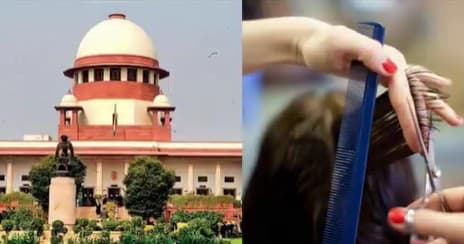
Consumer Rights / Supreme Court Trims Rs2 Crore Haircut Compensation to Rs25 Lakh
Key Points
- SC reduces compensation from Rs2 crore to Rs25 lakh.
- Court stresses damages must be evidence-based, not presumptive.
- Model alleged career loss after 2018 haircut at ITC Maurya.
- Case sets precedent in consumer dispute rulings.
New Delhi, Feb 10: The Supreme Court has delivered a landmark ruling in one of India’s most unusual consumer disputes, reducing the compensation awarded to model Aashna Roy from Rs2 crore to Rs25 lakh in the infamous “bad haircut” case, officials said on Tuesday.
The judgment, handed down by a bench of Justices Rajesh Bindal and Manmohan, underscores the principle that damages must be proportionate and supported by evidence rather than assumptions.

📱 Get Argus News App
✨Roy’s complaint dates back to 2018, when she alleged that a haircut at ITC Maurya Hotel’s salon damaged her career prospects in modeling and acting. The National Consumer Disputes Redressal Commission (NCDRC) had initially sided with her, awarding Rs2 crore in damages for loss of professional opportunities. The decision sparked widespread debate about consumer rights and the scale of compensation in service-related disputes.
In its ruling, the Supreme Court acknowledged that the salon
service was deficient but noted that the documents presented failed to
establish a direct link between the haircut and the alleged career setbacks.
“Damages cannot be awarded merely on whims and fancies,” the bench observed,
stressing the need for evidence-based assessment in consumer cases.
Also Read: Odisha Police Faces Social Media Heat Over Hairstyle Choices
For Roy, the verdict brings closure to a legal battle that has spanned nearly seven years. For the broader legal system, it sets a precedent in balancing consumer empowerment with fairness in awarding damages. The case has become emblematic of India’s evolving consumer jurisprudence, highlighting both the growing willingness of individuals to challenge poor service and the judiciary’s insistence on proportionality.
As salons, hotels, and service providers take note, the ruling is expected to shape how future disputes are argued and resolved, reminding all stakeholders that exaggerated claims without substantive proof cannot stand in court.
Related Topics
Explore more stories