



Rare 1464 inscription links Tamil Nadu village to Odisha's Gajapati Kapilendra Deva rule
Key Points
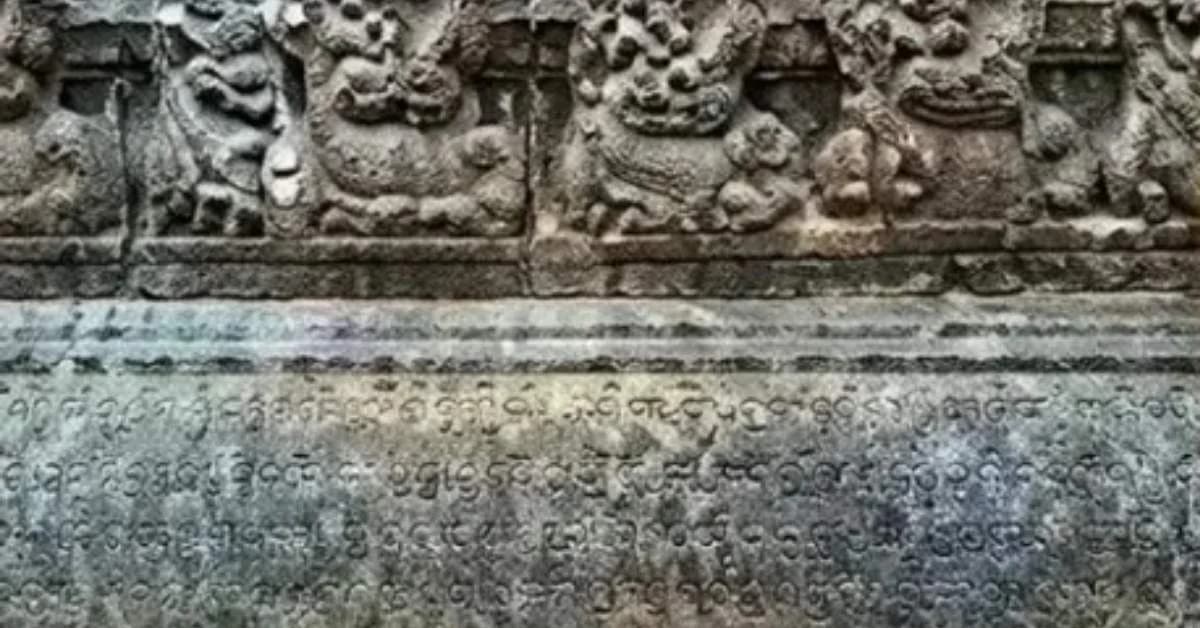
Researchers have discovered two Gajapati-era inscriptions in Tamil Nadu, providing fresh evidence that the Suryabanshi Gajapati Empire under Kapilendra Deva extended far beyond the Kaveri region.
Bhubaneswar, Nov 28: A remarkable archaeological discovery in Tamil Nadu has provided fresh insights into the extent of the Suryabanshi Gajapati Empire during the fifteenth century.
Researchers from the Rediscover Lost Heritage Trust have identified two inscriptions linked to the reign of Gajapati Kapilendra Deva in Munnur village of Villupuram district, offering valuable evidence of Odisha's historical influence in southern India.
The inscriptions were discovered by trust members Suman Prakash Swain, B. Shivaprasad and Deepak Kumar Nayak during their efforts to document historical monuments associated with Kalinga heritage in South India.
Also read: Kotia row deepens as petition seeks probe into alleged false abduction claims

📱 Get Argus News App
✨What do the newly found inscriptions reveal?
The inscriptions are located on the eastern wall of the Adavalleswar Shiva Temple and the northern wall of the Perumal Purushottama Vishnu Temple in Munnur.
According to heritage researcher Deepak Kumar Nayak, information about these inscriptions was initially traced to the 1919 publication Annual Report on South Indian Epigraphy.
Subsequently, photographs of the inscriptions were examined by Tamil epigraphist Dhanasekar Prabakaran, who identified them as records issued by Dakshina Kapileswara Mahapatra, the grandson of Gajapati Kapilendra Deva and son of Hambira Deva.
The inscriptions reveal that in 1464 CE, Dakshina Kapileswara Mahapatra sponsored repairs to both temples and established a special offering known as “Hambirabhoga”, believed to have been instituted in honour of his father, Hambira Deva.
How important is the discovery for Odisha's history?
Historians say the inscriptions carry immense significance because they provide evidence of the extensive territorial reach of the Gajapati Empire during its peak.
The records mention that Dakshina Kapileswara Mahapatra administered regions including Kondapalli, Addanki, Vinukonda, Padaividu, Tiruchirappalli, Chandragiri and Tiruvarur.
These references indicate that by the mid-fifteenth century, the influence of the Odia Suryabanshi rulers had expanded well beyond the Kaveri River into parts of present-day southern India.
According to Nayak, the inscriptions stand as a symbol of
the military strength, administrative capability and cultural influence of the
Gajapati rulers. They not only enrich Odisha's historical narrative but also
strengthen archaeological evidence of Kalinga's connections with South India.
Related Topics
Explore more stories