



ISRO / PSLV Launch Anomaly Results in Loss of DRDO's EOS-N1 Satellite
·8 months ago·3 min read
Key Points
- ISRO's PSLV-C62 mission failed to achieve orbit, losing all 16 satellites, including DRDO's maritime surveillance satellite EOS-N1.
- The rocket deviated from its path after a disturbance in roll rates during the third stage, marking the second PSLV failure in eight months.
- A Failure Analysis Committee will investigate; the setback may impact ISRO's 2026 launch schedule, including Gaganyaan preparations.
Sriharikota, Jan 12: India’s space programme suffered a significant setback on Monday after the Indian Space Research Organisation’s PSLV-C62 mission failed to place its payload into orbit, resulting in the loss of all 16 satellites aboard.
The 260-tonne PSLV-DL rocket lifted off from the Satish Dhawan Space Centre at 10:17am IST, with the launch proceeding normally through the first two stages. Separation events were executed as planned, and the early phase of the flight was described as nominal by mission officials.
Trouble emerged after the ignition of the third stage, when mission control stopped receiving telemetry data. Officials later confirmed that the vehicle deviated from its intended flight path, preventing successful orbital insertion.
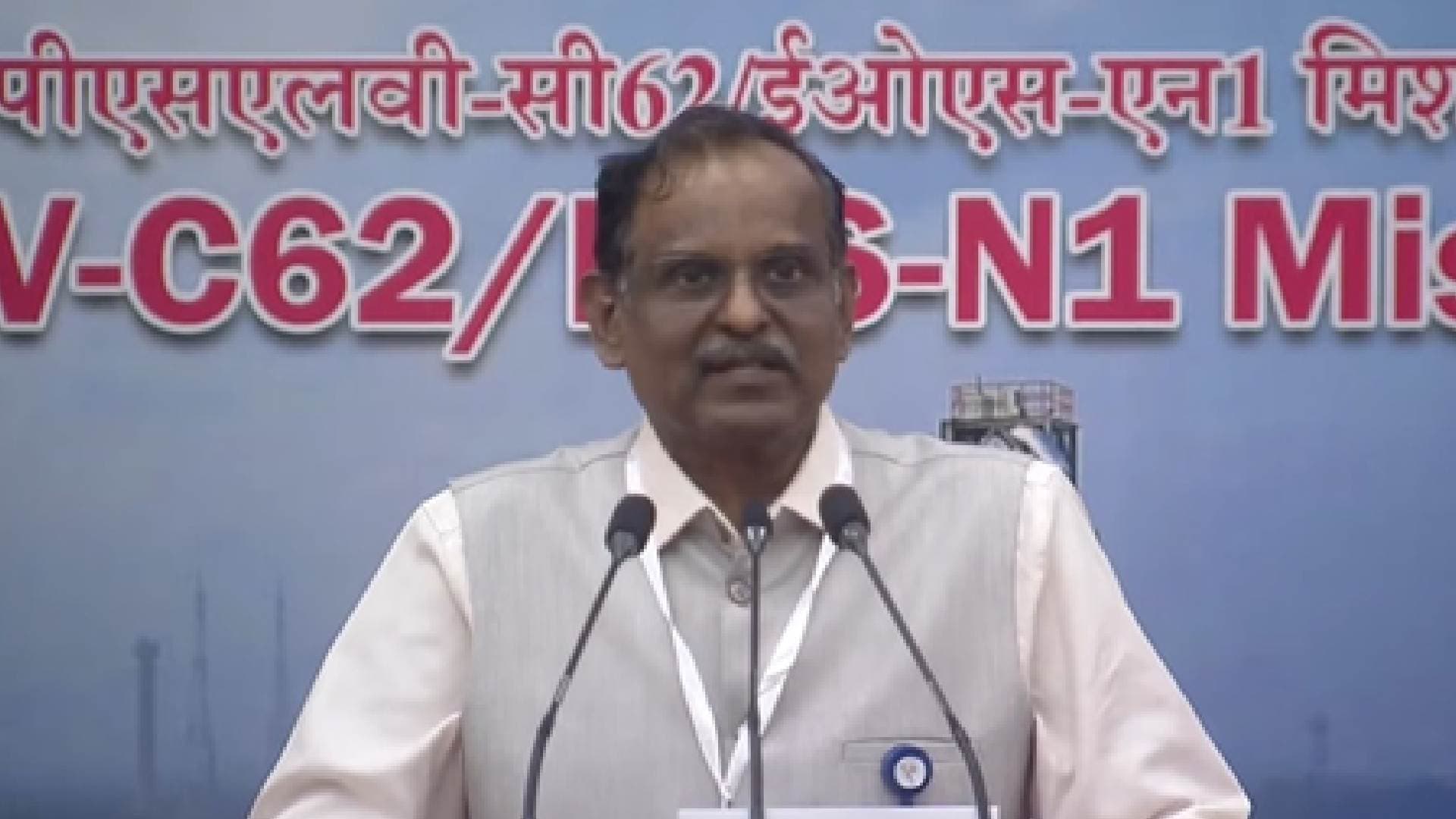
ISRO Chairman V Narayanan said a disturbance in the rocket’s roll rates was observed towards the end of the third-stage operation. “The performance of the vehicle at the end of the third stage was nominal, and then a disturbance in roll rates and a deviation in flight path was noticed. We are analysing the data and will share further updates,” he said.
The 260-tonne PSLV-DL rocket lifted off from the Satish Dhawan Space Centre at 10:17am IST, with the launch proceeding normally through the first two stages. Separation events were executed as planned, and the early phase of the flight was described as nominal by mission officials.
Trouble emerged after the ignition of the third stage, when mission control stopped receiving telemetry data. Officials later confirmed that the vehicle deviated from its intended flight path, preventing successful orbital insertion.
ISRO Chairman V Narayanan said a disturbance in the rocket’s roll rates was observed towards the end of the third-stage operation. “The performance of the vehicle at the end of the third stage was nominal, and then a disturbance in roll rates and a deviation in flight path was noticed. We are analysing the data and will share further updates,” he said.

📱 Get Argus News App
✨📰 60 Word News🎬 Argus Podcast📺 Live TV and Breaking News🔔 Free Notification Alerts
Download Free:
Mission Objectives and Payload
The PSLV-C62 mission was intended to deploy EOS-N1, also known as Anvesha, a Defence Research and Development Organisation satellite designed for maritime surveillance. The mission also carried 15 co-passenger payloads, including student-built satellites from India, experimental payloads from private firms, and Spain’s KID re-entry demonstrator.
The rocket was targeting a 505-kilometre sun-synchronous orbit. The anomaly occurred approximately eight minutes after liftoff, halting the mission before orbital injection could be completed.
Second Failure in Less Than a Year
The failure marks the second setback for the Polar Satellite Launch Vehicle in under eight months, following the unsuccessful PSLV-C61 mission last year. That mission also encountered a third-stage issue, raising concerns about the reliability of the solid-fuel motor used in the stage.
ISRO said a Failure Analysis Committee will be constituted to determine the root cause. No timeline has been announced for the completion of the probe.
With a historical success rate of around 94 per cent across more than 60 missions, the PSLV has long been considered ISRO’s most dependable launch vehicle and has played a key role in missions such as Chandrayaan-1 and Aditya-L1.
Impact on Upcoming Missions
The back-to-back failures may affect ISRO’s launch schedule for 2026, which includes multiple satellite deployments, expansion of the NavIC navigation system, and preparations for the Gaganyaan human spaceflight programme. The setback also poses challenges for commercial launch commitments handled through NewSpace India Limited.
Also Read: Commissionerate Police Nab Three from Bihar in Rs 20 Crore Cyber Fraud Network Case
The PSLV-C62 mission was intended to deploy EOS-N1, also known as Anvesha, a Defence Research and Development Organisation satellite designed for maritime surveillance. The mission also carried 15 co-passenger payloads, including student-built satellites from India, experimental payloads from private firms, and Spain’s KID re-entry demonstrator.
The rocket was targeting a 505-kilometre sun-synchronous orbit. The anomaly occurred approximately eight minutes after liftoff, halting the mission before orbital injection could be completed.
Second Failure in Less Than a Year
The failure marks the second setback for the Polar Satellite Launch Vehicle in under eight months, following the unsuccessful PSLV-C61 mission last year. That mission also encountered a third-stage issue, raising concerns about the reliability of the solid-fuel motor used in the stage.
ISRO said a Failure Analysis Committee will be constituted to determine the root cause. No timeline has been announced for the completion of the probe.
With a historical success rate of around 94 per cent across more than 60 missions, the PSLV has long been considered ISRO’s most dependable launch vehicle and has played a key role in missions such as Chandrayaan-1 and Aditya-L1.
Impact on Upcoming Missions
The back-to-back failures may affect ISRO’s launch schedule for 2026, which includes multiple satellite deployments, expansion of the NavIC navigation system, and preparations for the Gaganyaan human spaceflight programme. The setback also poses challenges for commercial launch commitments handled through NewSpace India Limited.
Also Read: Commissionerate Police Nab Three from Bihar in Rs 20 Crore Cyber Fraud Network Case
ISRO officials said corrective measures would be taken swiftly and stressed that alternative launch options, including the LVM3 rocket, remain available as the agency works to restore confidence in the PSLV programme.
Related Topics
Explore more stories