



A Rare Celestial Alignment: Why This Eclipse Is So Rare
Key Points
Chandra Grahan, will grace the night skies on September 7–8, 2025, and will be fully visible across India.
This upcoming total lunar eclipse which falls on Bhadrapada Purnima (September 7–8, 2025) is being hailed by astrologers.
Bhubaneswar, Sept 2: A total lunar eclipse, also known as Chandra Grahan, will grace the night skies on September 7–8, 2025, and will be fully visible across India.
Interestingly, this upcoming total lunar eclipse which falls on Bhadrapada Purnima (September 7–8, 2025) is being hailed by astrologers.

📱 Get Argus News App
✨Here's why it's so extraordinary:
- The last time a total lunar eclipse coincided with Bhadrapada Purnima was on September 7, 2006, nearly two decades ago.
- The next such alignment won't occur until September 30, 2164, which is 139 years from now—making this a generational event that most of us will witness only once in our lifetimes.
Why It’s Special:
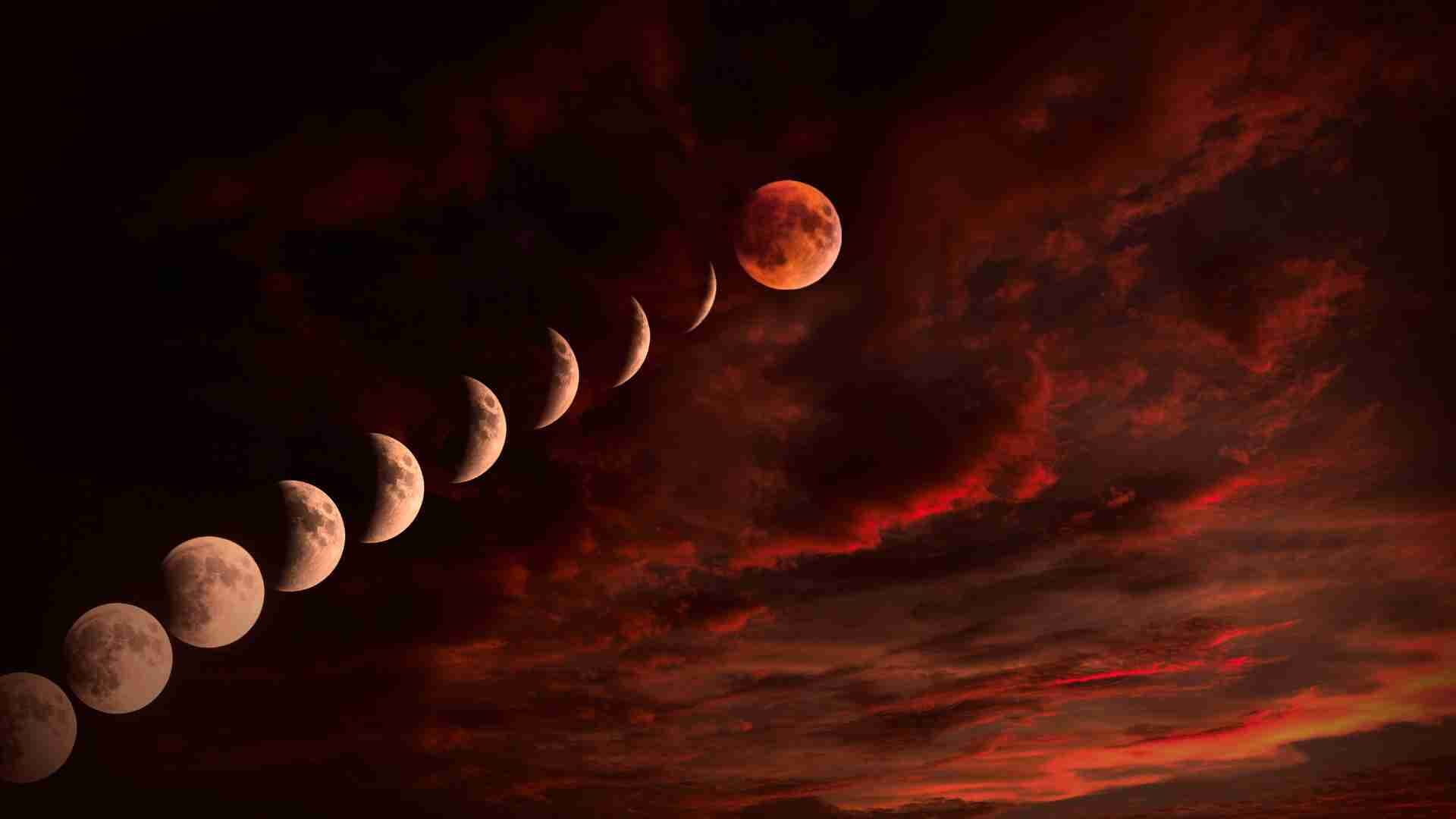
- The Moon will pass through Earth’s umbra, turning a deep red or copper hue, often called a Blood Moon.
- This eclipse will last 82 minutes in totality, making it one of the longest in recent years.
- It will be visible across Asia, Africa, Australia, and Europe, but not in the Americas.
In Odisha, residents of Cuttack, Bhubaneswar, Puri, Jajpur, Berhampur, Sambalpur, and Rourkela can sight the eclipse.
According to the Khadiratna Panjika, the partial phase will begin at 9:57 PM, followed by the total phase starting at 11:01 PM. The peak, or middle phase, will occur at 11:42 PM, and the total eclipse will end at 12:23 AM.
Timing in India (IST)
- Penumbral phase begins: 8:58 PM (Sept 7)
- Partial eclipse begins: 9:57 PM
- Total eclipse begins: 11:42 PM
- Maximum eclipse: 12:14 AM (Sept 8)
- Total eclipse ends: 12:47 AM
- Partial eclipse ends: 1:26 AM
- Penumbral phase ends: 2:24 AM
Cultural & Astrological Significance
- The eclipse occurs in the Aquarius sign under the Poorvabhadra star, which astrologers say may impact zodiac signs like Gemini, Libra, Capricorn, Aquarius, and Pisces.
- The Sutak period, a time of spiritual caution, begins at 12:57 PM on September 7 and lasts until the eclipse ends.
- Many temples will close during this time, and rituals like chanting mantras, donating rice and darbha grass, and avoiding food are traditionally observed.
- Bhadrapada Purnima marks the end of Ganesh Chaturthi and the beginning of Pitru Paksha, a sacred period for honouring ancestors.
- The eclipse occurs in the Aquarius sign, under the Poorvabhadra Nakshatra, which astrologers associate with deep transformation, karmic cleansing, and spiritual awakening.
- Many believe this alignment amplifies the effects of rituals, meditation, and charitable acts performed during the eclipse.