



Know more about Republic Day...
Key Points
Republic Day holds a special place in the hearts of Indians
Republic Day celebrations are marked by grand parades, vibrant state tableaus, and cultural showcases
Difference between hosting and unfurling the flag
Why the flag is unfurled on Republic Day
How it differs from Independence Day
New Delhi, Jan 25: Republic Day holds a special place in the hearts of Indians as it marks the day the Indian Constitution came into force in 1950. This year on January 26, India commemorates its 76th Republic Day. This historic event signifies India's transformation into a republic with a democratically elected government and a written Constitution that protects and preserves the values of democracy, secularism and unity.
Every year, we remember Republic Day on January 26. It marks the adoption of the Constitution of India and our country's transition to become a Republic. As we mark this memorable occasion, question arises why the national flag is ‘unfurled’ on R-Day and ‘hoisted’ on Independence Day, marking two distinct moments in India’s history.What is the key difference?

📱 Get Argus News App
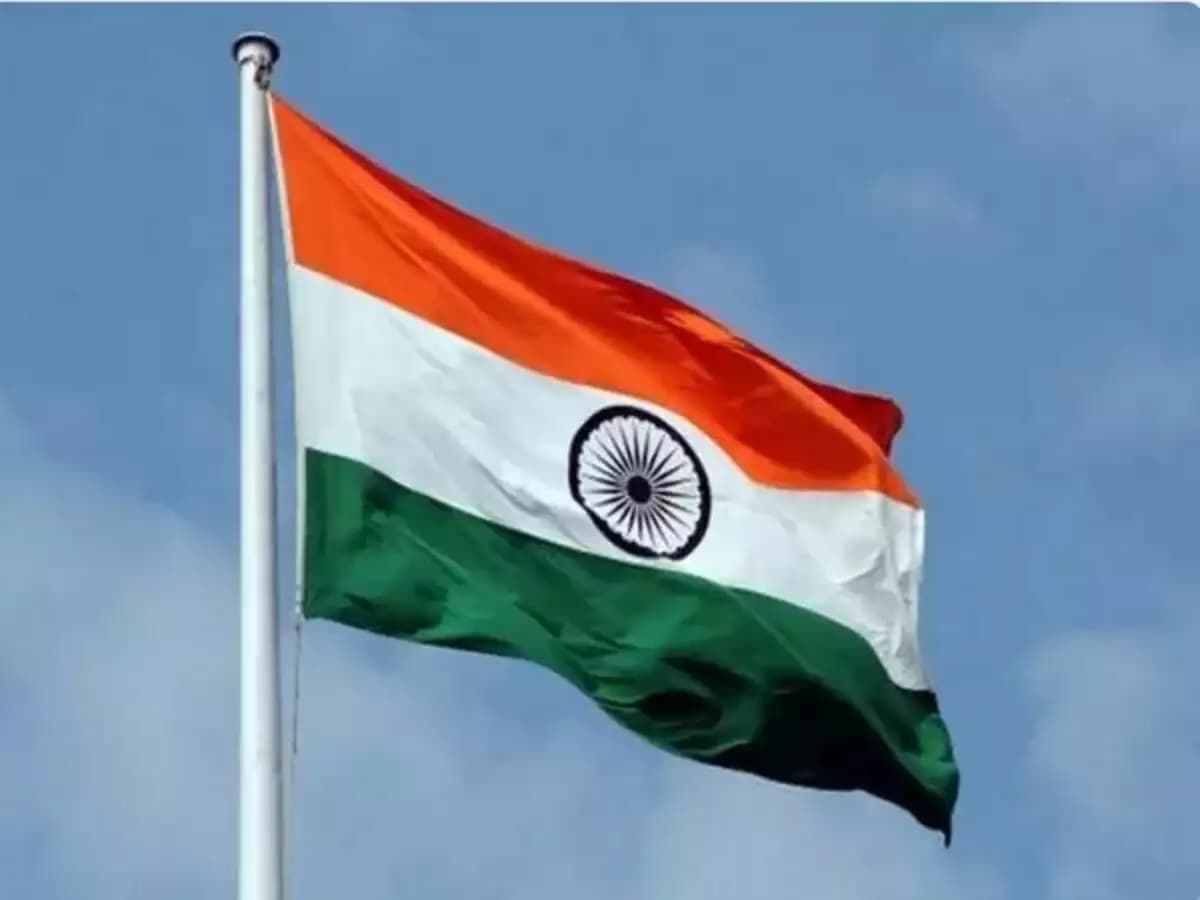
✨Republic Day celebrations are marked by grand parades, vibrant state tableaus, and cultural showcases. However, did you know that on this day, the Indian flag is "unfurled" rather than "hoisted"? While the terms "flag hoisting" and "flag unfurling" are often used interchangeably, they actually refer to different ways of displaying the national flag.
Difference between hosting and unfurling the flag
Hoisting a flag involves raising it from the base of the pole to the top, allowing it to wave freely in the wind. In contrast, unfurling means unfolding a flag that is already attached to a rope at the top of the pole. The key difference lies in the flag's starting position during the ceremonies—hoisting begins with the flag at the bottom, while unfurling starts with it in place, ready to be displayed.
Why the flag is unfurled on Republic Day
On January 26, during Republic Day celebrations, the President of India unfurls the national flag at Kartavya Path (formerly Rajpath). This act of "unfurling" holds significance as, by 1950, India had already gained independence and transitioned from colonial rule. Republic Day commemorates the adoption of the Indian Constitution, which officially established India as a sovereign, democratic republic.
How it differs from Independence Day
On Independence Day, observed on August 15, the Prime Minister hoists the national flag at the Red Fort in New Delhi. Unlike unfurling, hoisting involves raising the flag from the bottom of the pole, symbolising India's emergence as a free nation after gaining independence from British rule in 1947. This ceremony marks the celebration of India's freedom accompanied by a guard of honour and the playing of the national anthem.
Read More National News