



Calamity / Jamaica Braces for Worst Storm in 176 Years as Hurricane Melissa Nears Landfall
Key Points
Cyclone Montha nears Andhra coast, red alert issued for southern Odisha.
Mass evacuations underway, with shelters activated in Jamaica and Cuba.
New Delhi, Oct 28: Two powerful cyclones — Hurricane Melissa in the Caribbean and Cyclone Montha in the Bay of Bengal — are wreaking havoc across regions, prompting emergency measures and mass evacuations.
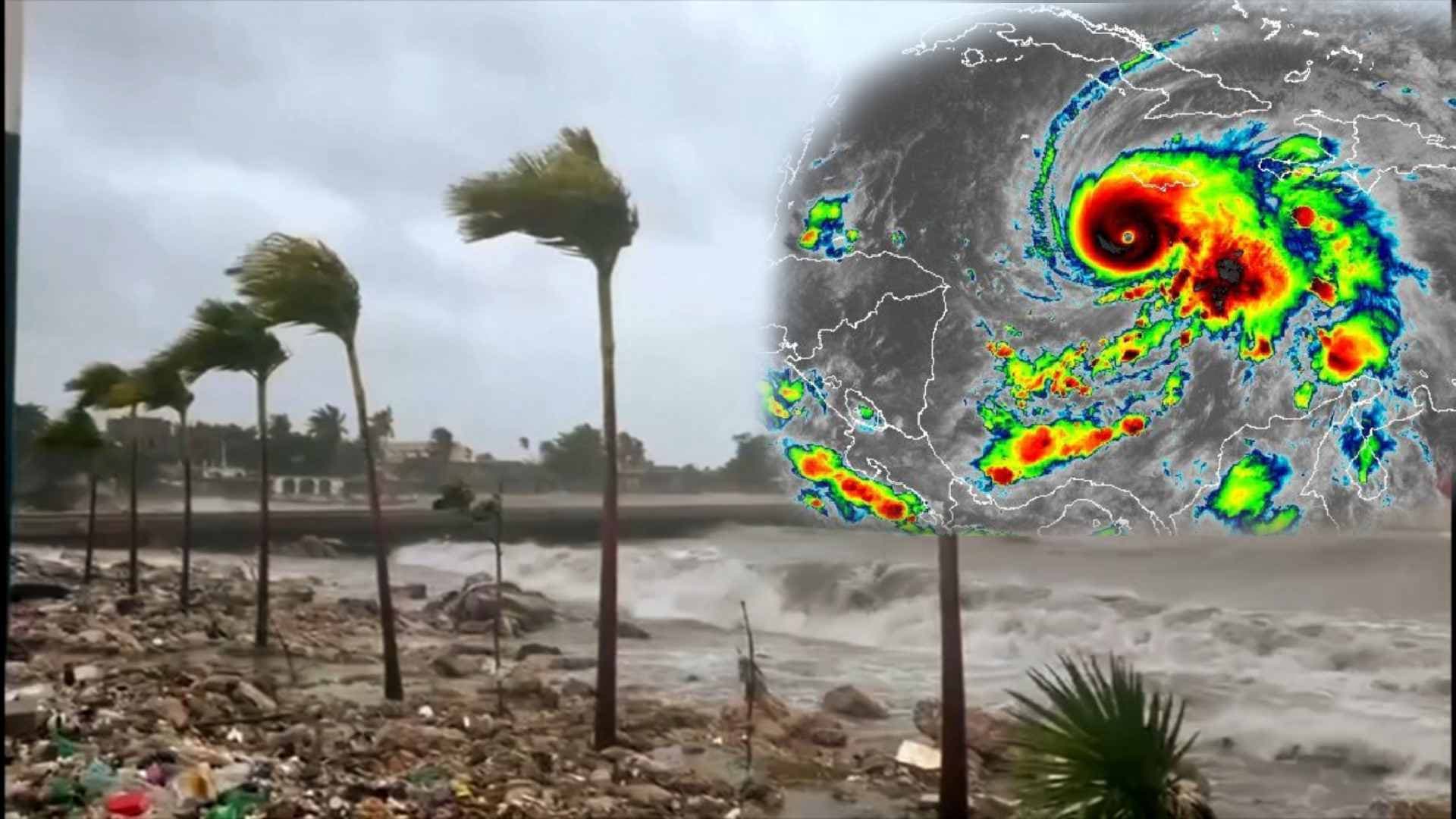
Hurricane Melissa, a Category 5 storm, is barrelling towards Jamaica with sustained wind speeds of 282 km/h, making it the strongest hurricane to hit the island since 1851.

📱 Get Argus News App
✨The US National Hurricane Centre has warned of catastrophic
flooding, landslides, and storm surges, with rainfall expected to reach up to
40 inches (100 cm) in parts of Jamaica. Already, three deaths have been reported
in Jamaica and four in Haiti, as the storm’s outer bands lash the region.
Also read: Cyclone Montha Disrupts Rail Travel in Coastal Regions, 42 Trains Cancelled
Hurricane Melissa is currently located 240 km southwest of Kingston and is expected to make landfall on Tuesday, before moving northward toward Cuba and the Bahamas. In anticipation, 881 shelters have been activated in Jamaica, and 600,000 people have been evacuated from Cuba’s coastal zones.
Meanwhile, in the Bay of Bengal, Cyclone Montha is advancing toward the Andhra Pradesh coast at a speed of 12 km/h. The India Meteorological Department has issued a red alert for southern Odisha, warning of heavy rainfall and strong winds.
Cyclone Montha is currently positioned 160 km southeast of Machilipatnam, 240 km southeast of Kakinada, and 530 km southwest of Gopalpur, and is expected to make landfall between Machilipatnam and Kalingapatnam near Kakinada by Tuesday evening or night.
Authorities in both regions are on high alert. In India, disaster management teams have been deployed, and coastal residents are being advised to stay indoors and follow official updates.
In Jamaica, ports have been closed, and emergency services are working round the clock to manage the crisis.
These cyclones highlight the growing intensity of tropical
storms in recent years, with climate experts urging stronger infrastructure and
preparedness measures globally.