



India's Obesity Crisis and Oil Dependency: Modi Aims for a Healthier, Self-Reliant Future
Key Points
Obesity is a growing problem in India, linked to serious health issues like diabetes, heart disease, cancer, and stroke. Over five years, the percentage of women with obesity increased from 20.6% to 24%, and for men, it went up from 18.9% to 22.9%. This means about one in four people in India are obese.
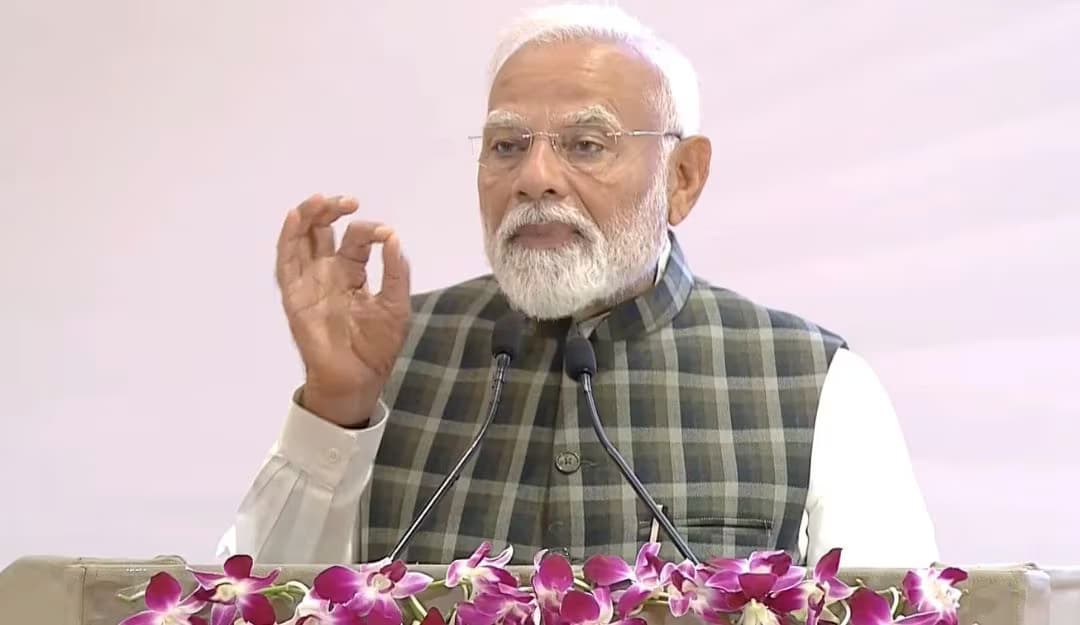
India faces a strange situation: while hunger is still a concern, obesity is becoming a bigger problem. Many people in the country are gaining too much weight, which leads to health issues. Prime Minister Narendra Modi has urged people to cut down on the amount of edible oils they use by at least 10%. He warned that, by 2050, over 440 million people in India could be obese, which causes many diseases.
New Delhi, April 8: India faces a strange situation: while hunger is still a concern, obesity is becoming a bigger problem. Many people in the country are gaining too much weight, which leads to health issues. Prime Minister Narendra Modi has urged people to cut down on the amount of edible oils they use by at least 10%. He warned that, by 2050, over 440 million people in India could be obese, which causes many diseases.
Obesity is a growing problem in India, linked to serious health issues like diabetes, heart disease, cancer, and stroke. Over five years, the percentage of women with obesity increased from 20.6% to 24%, and for men, it went up from 18.9% to 22.9%. This means about one in four people in India are obese.

📱 Get Argus News App
✨Obesity is mainly caused by an unhealthy lifestyle, including not exercising enough and eating too much fat, sugar, and salt. For example, in the 1950s and 60s, Indians used to consume 3.4 kg of edible oil per person per year. Now, it's 19.4 kg, much higher than the 12-13 kg recommended by health experts.
Obesity is linked to serious health problems like diabetes, heart disease, cancer, and stroke. Between 2015-16 and 2020-21, obesity in women increased from 20.6% to 24%, and in men, it went up from 18.9% to 22.9%. This means about one in four people in India are obese.
Obesity is mostly caused by unhealthy habits, such as not getting enough exercise and eating too much fat (especially from oils), sugar, and salt. In the 1950s and 60s, Indians used to consume only 3.4 kg of edible oil per person per year. Now, this has jumped to 19.4 kg, which is way more than the 12-13 kg recommended by health experts.
India's population grew from 36.1 crore in 1951 to 142.8 crore in 2023. At the same time, the country’s production of edible oils increased from 13.8 lakh tonnes to 115.7 lakh tonnes. However, this still covers only half of the demand, so India imports a lot of edible oils. Imports grew from almost nothing in 1951 to 164.7 lakh tonnes in 2022–23. In total, India had 278.7 lakh tonnes of edible oils available in 2022–23, combining both domestic production and imports. If people followed the recommended limits for edible oil consumption, India’s domestic production would almost meet the demand, and the need for imports would drop to about 56.64 lakh tonnes.
How the Edible Oil Mission Impacts Your Health
In October 2024, India launched the Edible Oil Mission to make the country more self-sufficient in edible oils and reduce the need to import them. The government plans to spend Rs 10,103 crore to increase the production of oilseeds from 390 lakh tonnes to 697 lakh tonnes over the next seven years. This will help lower imports, especially if people follow the Prime Minister's appeal to reduce oil consumption. Currently, India imports 57% of its edible oils, with 59% of that coming from palm oil. While palm oil is cheap, it’s considered harmful to health due to its high saturated fat, which can increase the risk of heart disease and obesity. India’s traditional oils, like mustard and groundnut, are healthier, but imported oils, including genetically modified ones, have raised concerns. The goal of the Edible Oil Mission is to increase local production of healthier oils, reduce imports, and lower the consumption of less healthy oils like palm oil.
Right advice at the right time
Prime Minister Modi's suggestion to reduce edible oil consumption by 10% is important for both public health and the economy. India’s population is growing, and if people consume less oil, it will help reduce the country’s reliance on imported oils, which currently cost a lot of money. This could lower the need for foreign exchange and help save money. Also, using less oil can prevent rising obesity levels, which are expected to affect a larger portion of the population in the coming years. Reducing consumption now could lead to fewer health problems, lower healthcare costs, and improve overall productivity. Additionally, Indian farmers who grow oilseeds will benefit from better prices as demand for domestic oil increases. Publicizing the PM’s advice is crucial for both health and economic reasons.
read more National news