



Guru Purnima: A Tribute To Eternal Guiding Light
Key Points
Guru Purnima, also known as Vyasa Purnima, is being celebrated across the country today.
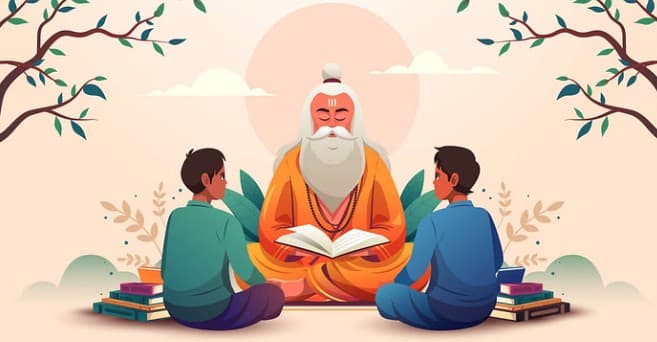
On this occasion, people remember and pay their gratitude to the Gurus and mentors who guide and shape their lives with their wisdom and blessings.
Bhubaneswar, July 10: Guru Purnima, also known as Vyasa Purnima, is being celebrated across the country today. The festival is dedicated to spiritual and academic teachers. On this occasion, people remember and pay their gratitude to the Gurus and mentors who guide and shape their lives with their wisdom and blessings.
The festival, celebrated on the full moon day in the Hindu month of Ashadha (June–July), is a deeply symbolic festival in the Indian spiritual and cultural landscape. Rooted in ancient tradition and revered across schools of thought—whether Vedic, Buddhist, or Jain—it transcends the boundaries of religion to uphold a universal theme: reverence for the teacher, mentor or guru.

📱 Get Argus News App
✨Historical and Cultural Significance
The festival is said to mark the day Maharshi Vyasa, compiler of the Mahabharata and various Puranas, was born. Vyasa is regarded as the Adi Guru in Hindu tradition.
Lord Buddha had delivered his first sermon on this occasion after achieving enlightenment under the bodhi tree at Sarnath. He had travelled to Sarnath from Bodhgaya and had given his sermon on the full moon day, thus initiating his disciples into the path of Dharma.
In Jainism, it honours Lord Mahavira's first disciple, Gautam Swami, who is regarded as the Guruvarya.
Philosophical Underpinnings
The term “Guru” is derived from Sanskrit: Gu (darkness) and Ru (remover), signifying one who dispels ignorance and illuminates the path of knowledge and liberation. In the Indian epistemological tradition, the guru is not just a teacher of academic knowledge but a torchbearer of wisdom, morality, and personal transformation.
The guru-shishya parampara (teacher-disciple tradition) forms the backbone of Indian spiritual systems, from Advaita Vedanta to classical music.
Contemporary Relevance
In modern India, Guru Purnima provides an occasion to reflect on the evolving role of educators in society—not just spiritual teachers, but academic mentors, thought leaders, and social reformers. It is a potent reminder of the transformational impact of good guidance, mentorship, and ethical leadership in building civic consciousness and nation-building. Initiatives like teacher training programs, mentorship schemes for aspirants, and policy discourses around education reform draw on the philosophical ethos of Guru Purnima.
Sociocultural Dimensions
The festival is celebrated with pujas, satsangs, and by paying homage to living gurus and departed mentors. It’s a moment of introspection for disciples, encouraging gratitude, humility, and a recommitment to the pursuit of knowledge. In villages and urban communities alike, it fosters intergenerational dialogue and strengthens ethical bonds.
Guru Purnima is not merely a ritual; it exemplifies the civilizational value India places on knowledge, wisdom, and ethical leadership. In a world of increasing informational noise and polarized discourse, the guru represents clarity, balance, and responsibility- virtues essential for governance and public administration.