



Fuel Crisis / Govt Plans Bigger Subsidy Push for Electric Two-Wheelers amid Surge in Fuel Prices
Key Points
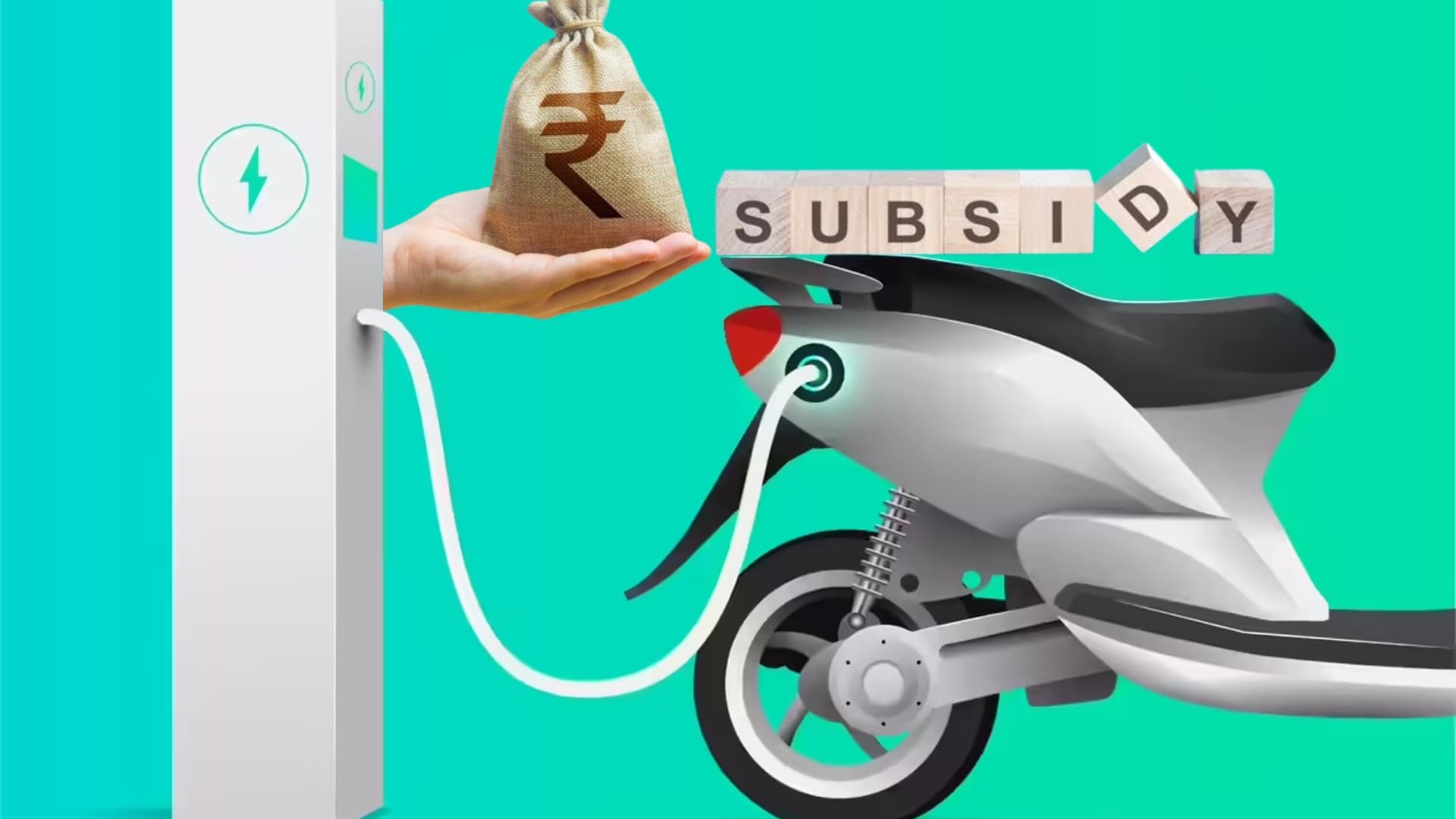
India plans to boost EV adoption by expanding subsidies under the PM e-Drive Scheme, making electric scooters cheaper, reducing oil dependency, and supporting manufacturers amid rising petrol and diesel prices.
Bhubaneswar, May 25: India is witnessing a surge in petrol and diesel prices as crude oil imports from West Asia become costlier due to regional instability.
In response, the central government is reportedly preparing a major initiative to promote electric two-wheelers under the PM e-Drive Scheme, aiming to reduce dependence on fossil fuels and ease the burden on consumers.
Reports suggest that the government may increase subsidies on electric scooters and bikes, making them more affordable for the public.
Also read: IOC Assures No Fuel Shortage, Supply Stable Nationwide

📱 Get Argus News App
✨The Ministry of Heavy Industries is seeking additional funds to strengthen the scheme, which has already been extended until July.
For the financial year 2026-27, the government has allocated ₹10,900 crore for electric two-wheelers, signalling its commitment to accelerating EV adoption.
If subsidies are raised, electric scooters could become significantly cheaper, encouraging more people to switch from petrol-powered vehicles.
This move is expected to benefit leading EV manufacturers such as Ola Electric, Ather Energy, TVS iQube, Hero Vida, and Bajaj Chetak. Additionally, improvements in charging infrastructure and battery technology are likely to follow, further boosting consumer confidence.
The government’s plan comes at a time when EV sales are already showing strong growth.
Data indicates that registrations of battery-powered two-wheelers rose by 13.5% in the first half of May, while petrol two-wheeler sales fell by 5.5%.
Experts note that many households are now considering electric scooters as their second vehicle, reflecting a shift in consumer preferences.
The volatility in West Asia has heightened India’s concerns, as the country imports a large share of its crude oil from the region. Rising global oil prices have directly impacted domestic fuel costs, making alternatives like EVs more attractive.
By encouraging electric mobility, the government hopes to
reduce import dependency and strengthen energy security. The move could mark a
turning point in India’s transition toward sustainable transportation.
Related Topics
Explore more stories